
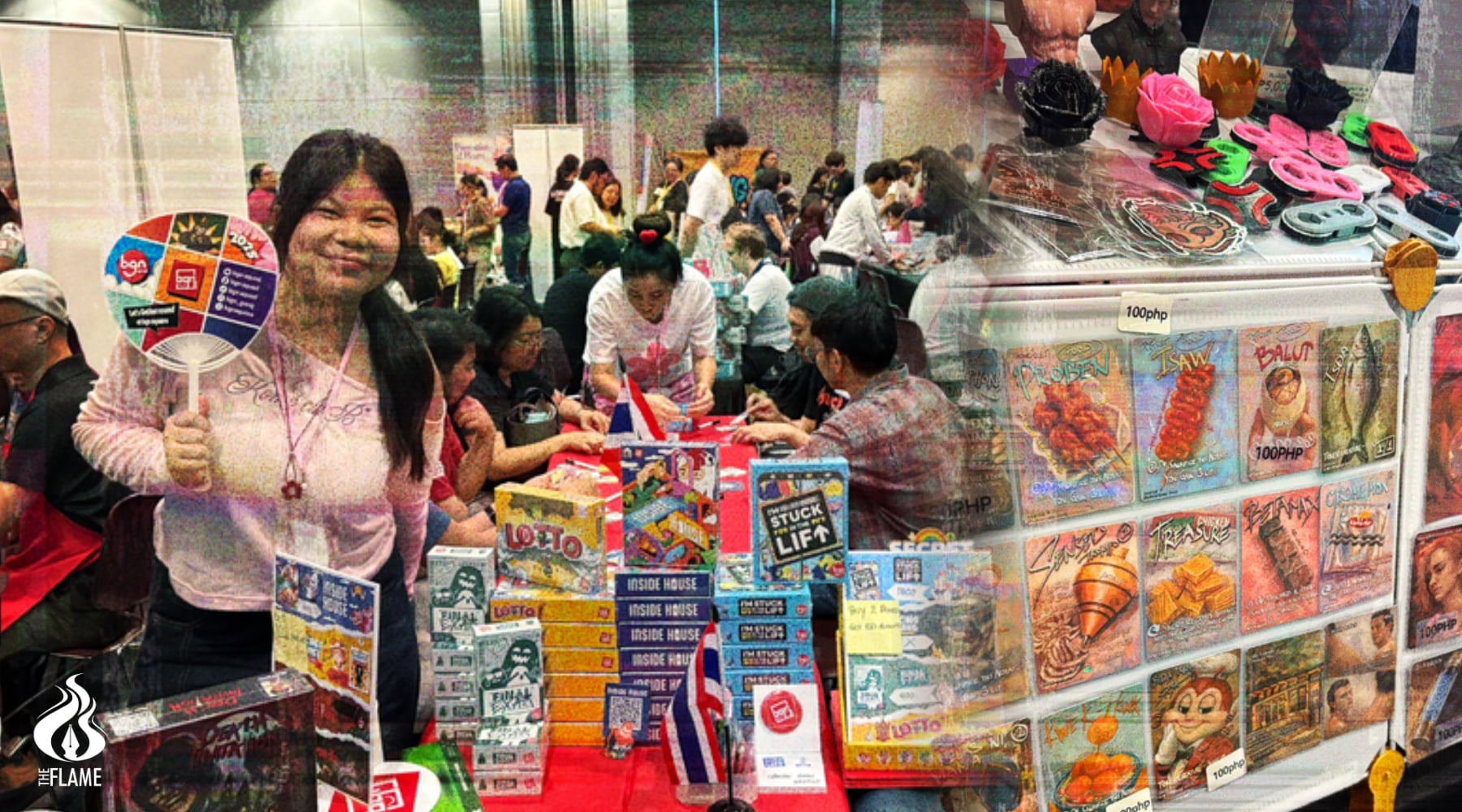
IN THE digital age, gaming has largely migrated to smartphone screens and desktop monitors. Childhood afternoons once spent outdoors or gathered around dining tables have slowly been replaced by endless scrolling, online lobbies and solitary screen time.
For many Filipino families, game nights that once meant laughter over cards and board games now compete with social media feeds and digital entertainment. As Wi-Fi connections grew stronger, interpersonal ones often weakened alongside them.
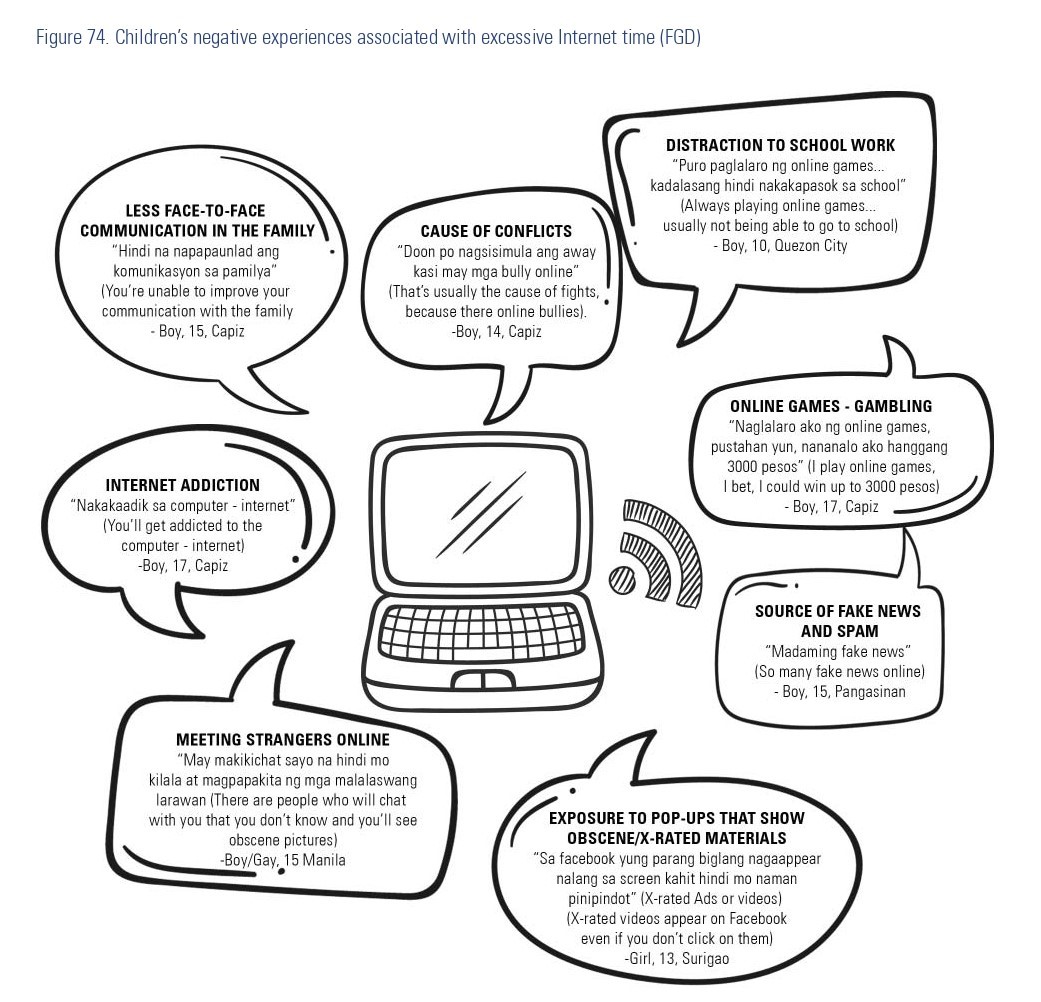
In UNICEF Philippines’ Philippine Kids Online Survey (PKOLS), an investigative research on Filipino youth’s internet activity, reports have shown that excessive internet use has caused conflicts within households. The hyperproximity of the family created a distance that no cell reception could reach.
The question then begs to be asked: Are board games a dying tradition?
All A-Board!
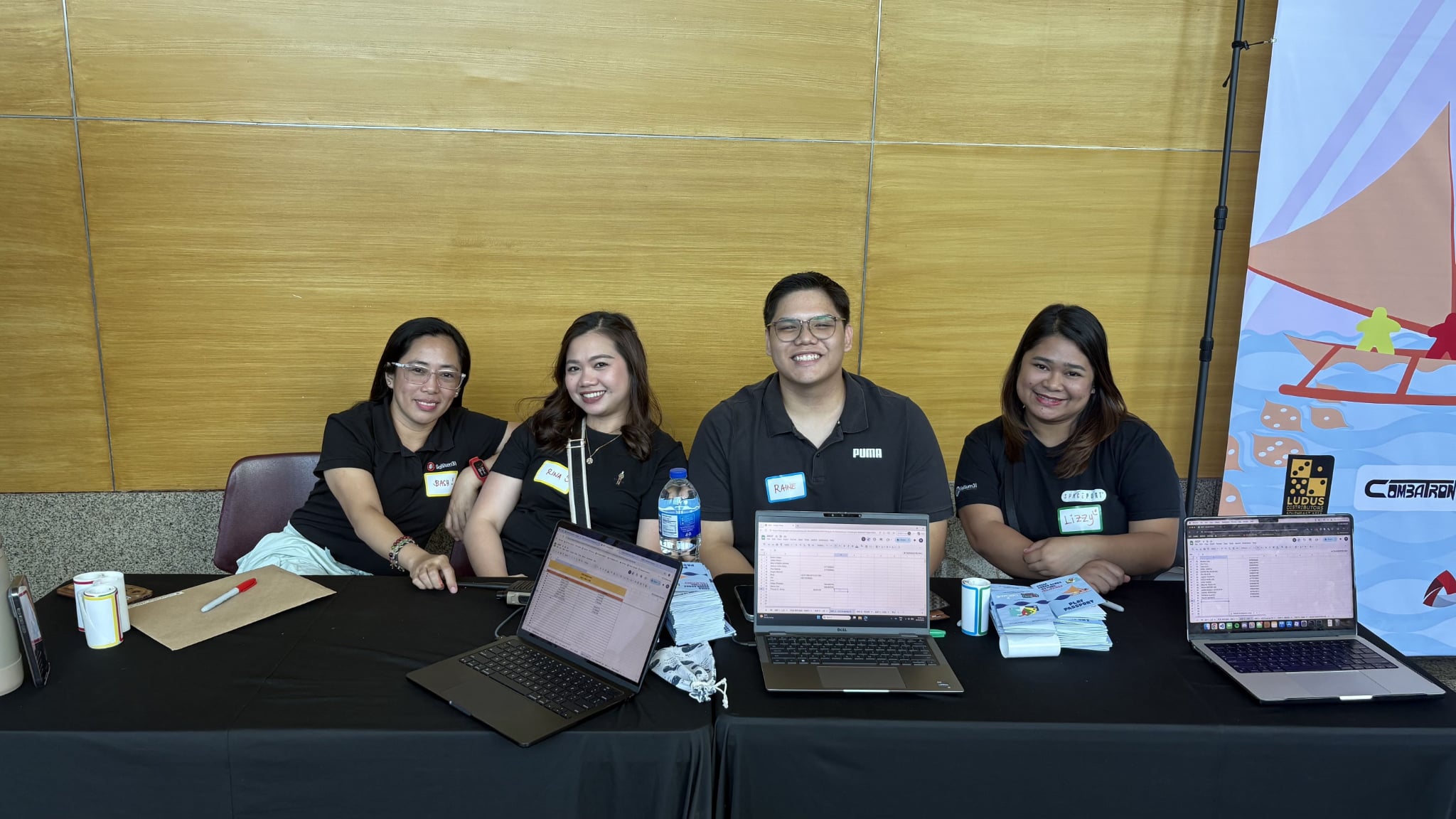
Last May 2 and 3, the Bayanihan Center in Kapitolyo, Pasig, transformed into a vibrant crossroads of dice, decks and imagination as the Asian Board Games Festival (ABGF) made its long-awaited Philippines debut.
First organized in Singapore in 2019 by board game publisher Origame, ABGF has since expanded across Asia, bringing together creators and communities in Malaysia, Thailand and now the Philippines. The event featured publishers and indie designers from across the region, showcasing over 200 games from more than 30 publishers representing 10 countries.
From locally themed memory games with printed sheets depicting the various vegetables in bahay kubo, to innovative combat systems with indigenous class systems such as that of the warrior-king Datu, and story-driven tabletop experiences borrowed from the pages of Philippine history, there seemed to be a game for everyone—beginners, collectors and seasoned connoisseurs alike.
Some games taught strategy, others told stories. Some made you laugh, others made you think. All of them, in their own way, asked players to sit down, stay awhile, and perhaps leave the table with a new friend.
For Rein, who is part of the organizing team, ABGF is ultimately about building bridges through play.
“Board gaming itself is something that’s starting here in the Philippines. And we want to continue to nurture that,” Rein told The Flame.
“Being able to give an avenue for people who are interested in board gaming is something that we love to do. And we see ourselves continuing to do so. It’s our purpose.”
He added that the festival is meant to feel less like a marketplace and more like a shared space.
“You can really just go inside and ask a group of people, ‘Can I join?’ And that’s the culture that we want to continue to bring.”
Heritage in hand
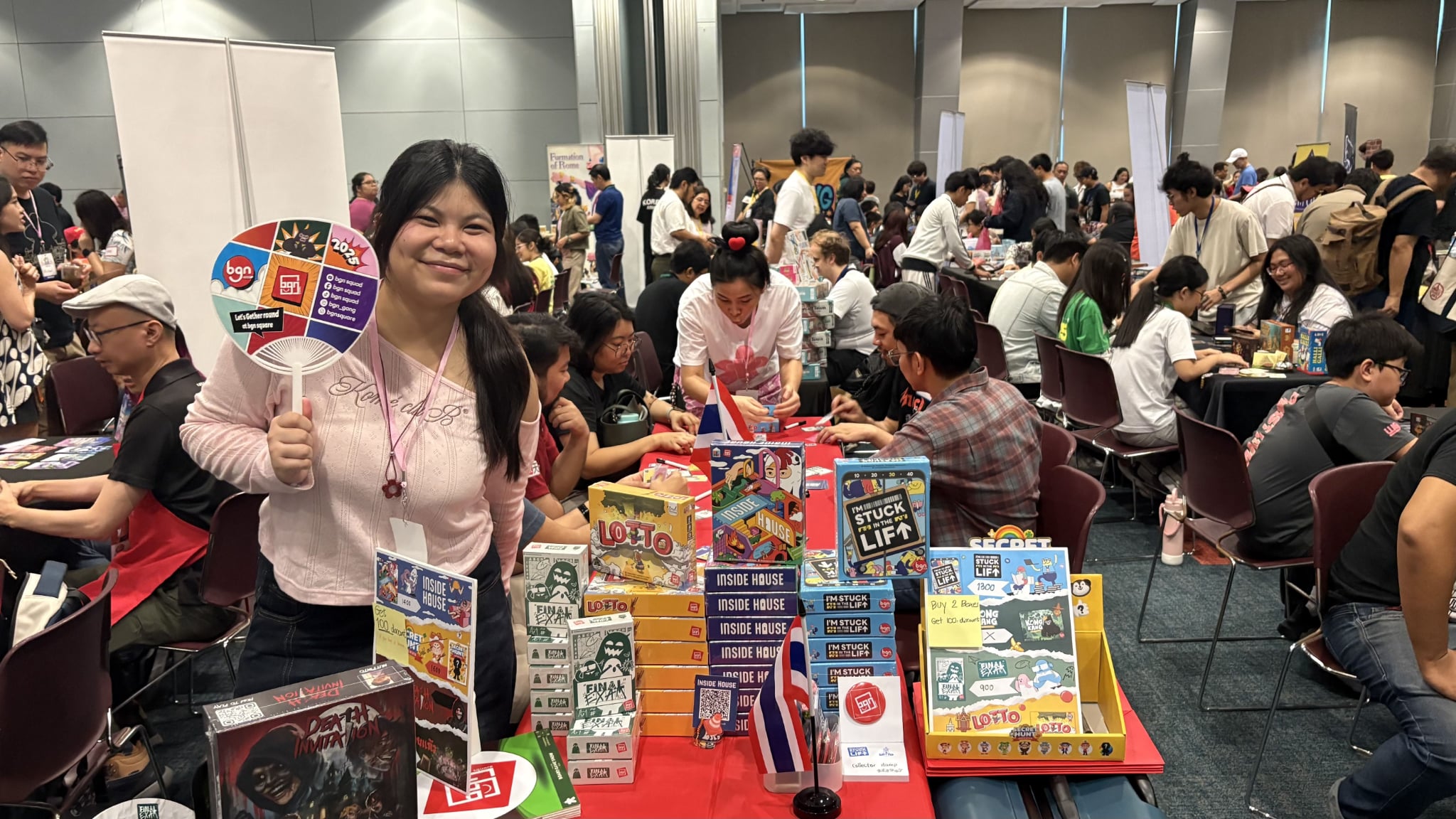
Among the featured exhibitors was Blue from bgn square, a Thai tabletop game company that began, unexpectedly, as a YouTube board game channel, reviewing and doing walkthroughs of famous tabletop games, both local and international.
“We started with a YouTuber’s side,” Blue shared. “Then, after that, we started to do our own original game. That’s called KongKang,” a jungle-themed card game that revolves around turn-based strategies to score points by collecting bananas. Its mechanics bear a resemblance to its famed predecessors, such as Uno, yet it adds its own clever twists and even a little monkey business to become the new King of the Jungle.
What began as content creation eventually evolved into game design rooted in accessibility and community. “We gathered our team, and right now in our games, it’s like we have many crews in it,” she explains. “Sometimes we ask for an outside artist, some we collaborate with a YouTuber, some with our own. Our priority is to bring more people who don’t know board games into the board game world.”
“Our games are party games and easy games. You can play with your family, your friends, your kids,” she said.
For Blue, inspiration often comes from everyday culture—especially humor.
“I think Thai people have a lot of culture of joking,” she said. “In each game, we try to be fun. We have word puns and jokes in it.”
One of their bestsellers, Lotto, even incorporates cultural reinterpretations of Thai mythology.
“We reference a Thai god, but we make his image cute and easy to understand,” she explained. “Our game tries to bring the Thai image—funny, bold and chaotic.”
In this way, culture is shuffled, dealt and played.
Larp and lore
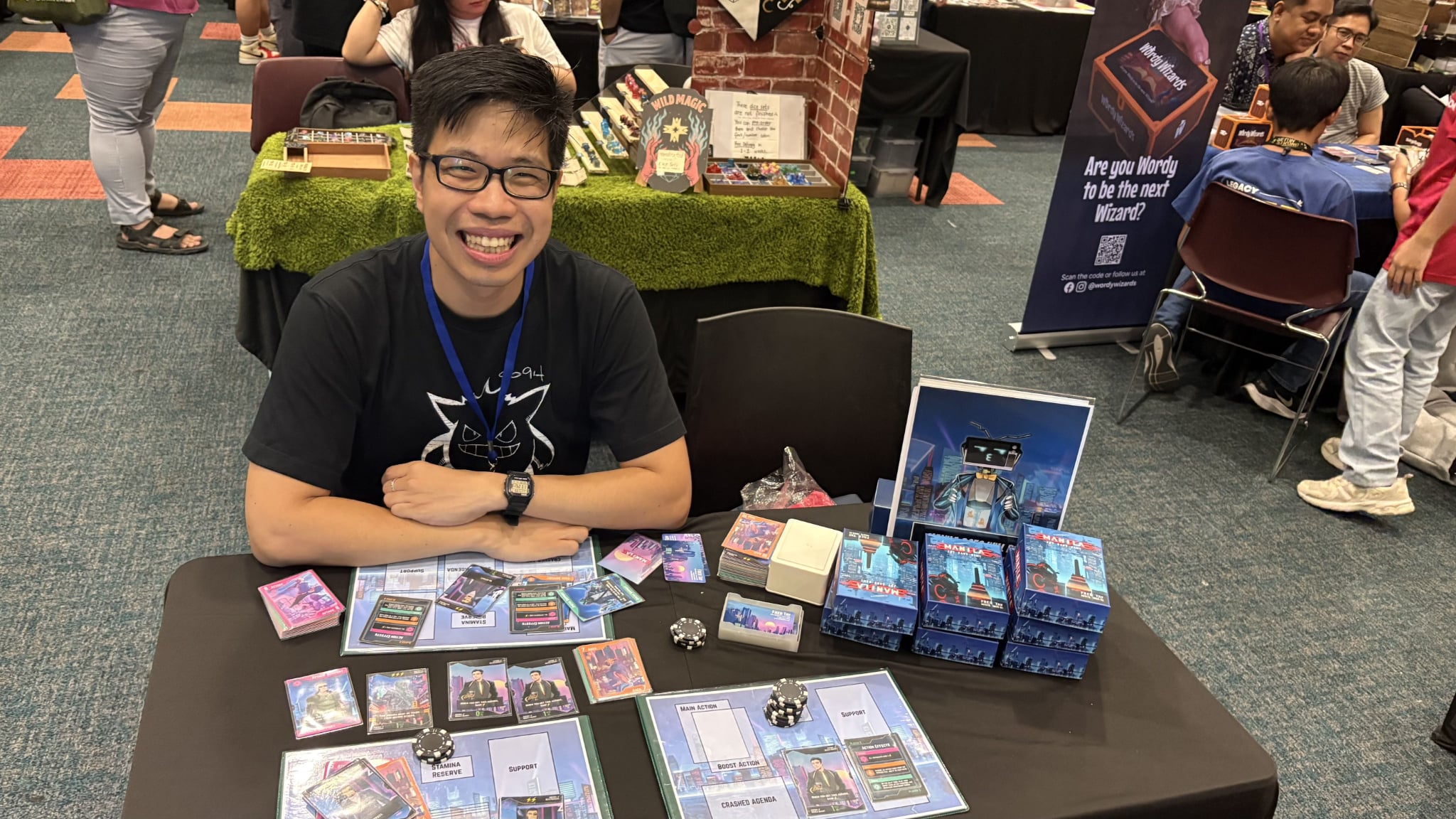
Local indie developer Fred Tay recalls his first encounter with board games in the most unexpected place: a classroom filled with Magic: The Gathering players.
“Back in the 90s, everyone in my class played it—from the cool kids to the shy ones, nerds, varsity players, everyone,” he said. “It made everyone come together. That’s the first time I realized how fun games can be.”
That sense of shared experience now fuels his creative process.
“I design with story and lore first,” Tay explained. “And then I try to translate it into mechanics.”
His debut game, Manila 2027, reimagines the Philippine capital in a futuristic cyberpunk setting. The game’s visual identity was illustrated by Borg Sinaban, known for his work on the Janus Silang series published by Adarna House.
But building a local board game comes with challenges.
“It’s very hard to compete with international games in terms of price, production and marketing,” he said. “You compare your work and think, ‘Is this good enough?’”
Despite the doubts, the payoff comes in moments of realization.
“Seeing others play it is a super cool feeling,” he said. “But seeing it in production is even more rewarding because it became real.”
Rolls and roles
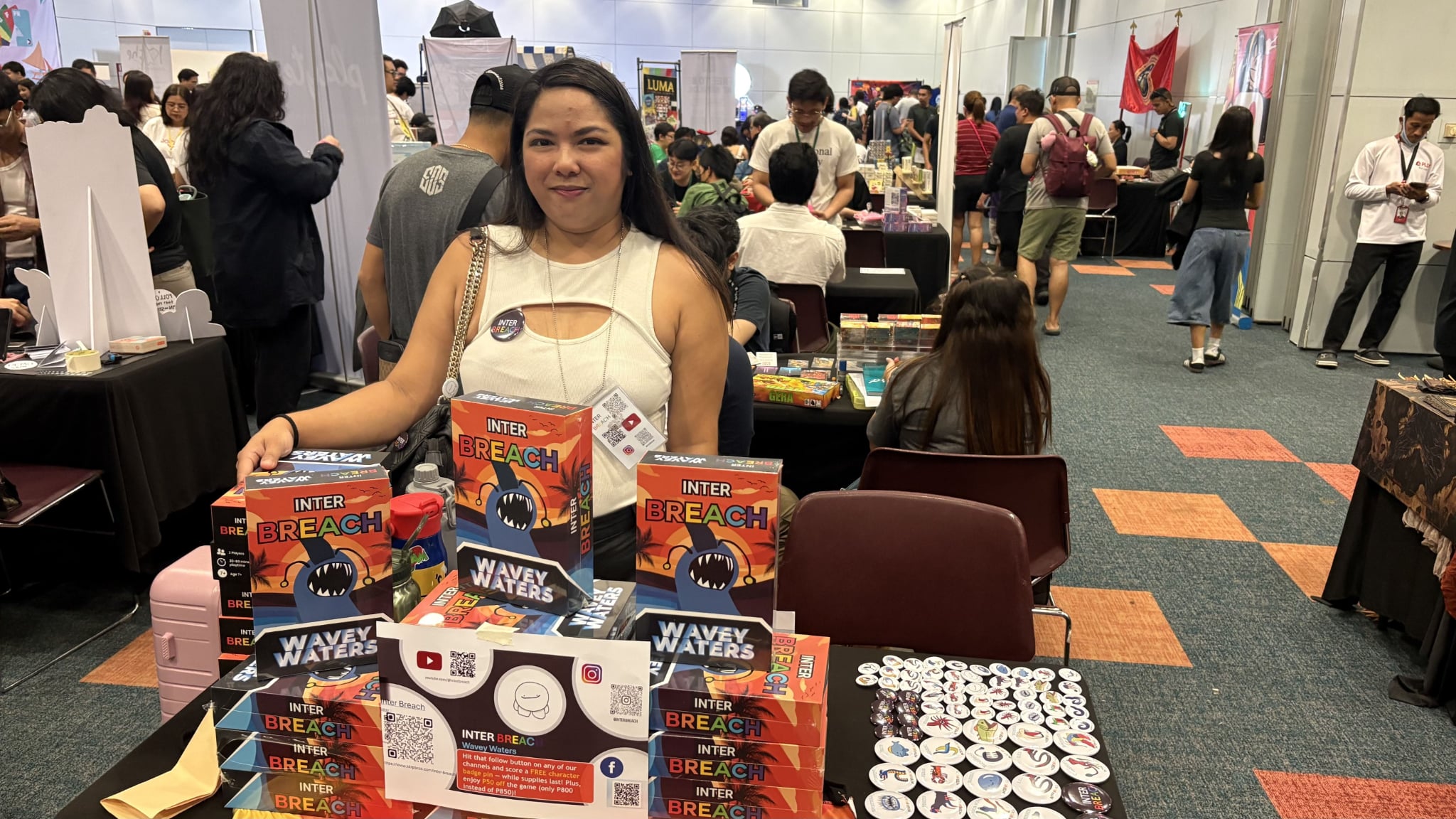
Not all creators at ABGF arrived with years of experience. Some came with something just as powerful: a fresh perspective.
At Interbridge Games, a 12-year-old creator developed a card-and-dice game designed to encourage children to step away from screens and engage with others.
His aunt, Shane, explained the intent behind it.
“The story behind the creation is basically what kids nowadays go through,” she said. “We want to instill in them that it is more enjoyable to interact with others or with family when it comes to games, to strategize and play together.”
The result is a game built not only for entertainment, but for connection.
Beyond the board
Beyond the mechanics, artwork, and clever titles, the heart of ABGF was not found on the shelves, but in the people seated around the tables.
At nearly every corner of the venue, the same scenes unfolded: laughter broke out in the middle of high-stakes turns, rules were explained through animated hand gestures, and cheers echoed across the hall. It was messy, noisy, and alive—the exact opposite of silent scrolling.
For education major and hobbyist Joshua Ablao, board games became more than a pastime. They became a way for him to grow into himself.
“It’s a nice way to exercise language macroskills: reading, speaking, and listening,” he said. “Personally, I’ve learned a lot in terms of social skills. I’ve let go of certain fears and shaved away prejudice when interacting with others because of board games.”
In a world that often feels increasingly disconnected, he sees tabletop gaming as an invitation.
“Board games and game nights are just what my friends and I have in the background while we chat and debrief after stressful times,” he added. “It’s our excuse to get together.”
And judging by the full tables, shared laughter and reluctant goodbyes lingering long after the final round, it is an invitation many Filipinos are finally ready to accept once again. F