
THE STRUGGLES of being a working student, of deeming oneself a failure and of being unconventional in a world of conventions anchor the narrative—Bar Boys: After School is a film for the Filipino people, not the critics.
The sequel to Kip Oebenda’s 2017 hit Bar Boys, Bar Boys: After School is one of the entries of the 51st Metro Manila Film Festival (MMFF). It recently won the Fernando Poe Jr. Memorial Award for Excellence.
The film is headlined by Carlo Aquino (Erik Vicencio), Rocco Nacino (Torran Garcia), Enzo Pineda (Chris Carlson), Kean Cipriano (Joshua Zuniga) and Best Supporting Actress awardee of the 2025 MMFF Gabi ng Parangal, Odette Khan (Justice Hernandez).
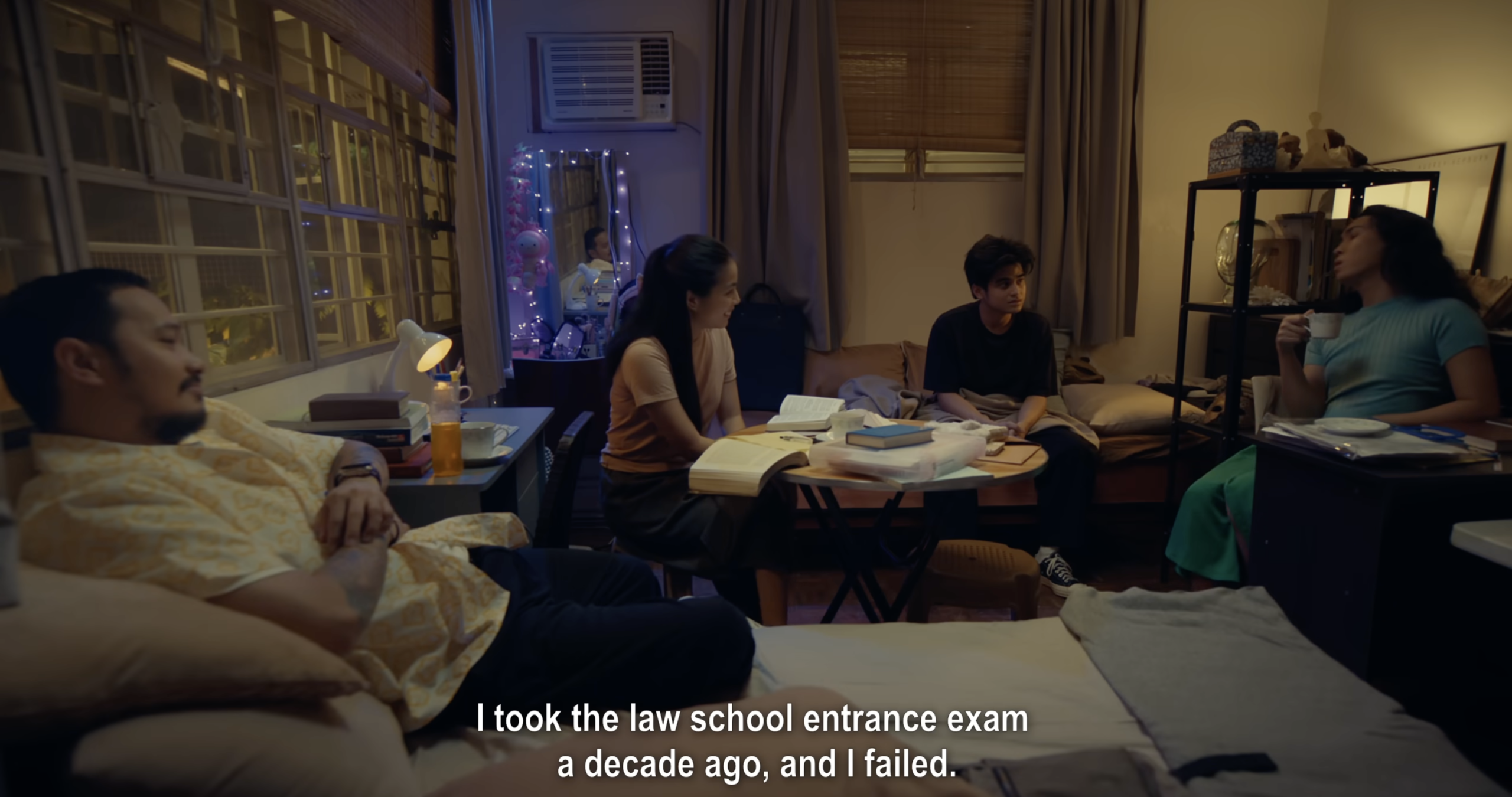
The characters of Will Ashley (Arvin Asuncion), Sassa Gurl, whose real name is Felix Petate (Trisha Perez), Therese Malvar (CJ David) and Klarisse De Guzman (Mae Perez) are introduced in the sequel.
Ten years after the setting of the first Bar Boys movie, Torran Garcia is now a law professor, Chris Carlson is an estranged family man, Erik Vicencio is a public attorney and Joshua Zuniga is finally a law student after initially failing the entrance exam and quitting showbiz.
As the pool of characters is intertwined into a new reality, the film immediately prompts the audience to notice the multiperspectivity of the film.
There is an expectation of excellence for Bar Boys: After School, given the success of the previous film. Yet, the sequel lacks cohesion in its plot due to the absence of a solid pattern of events. The film presents multiple lives at once, blending them with one and the other, making it one whole picture.
Although the lack of a fixed plot may be deemed problematic for some, Bar Boys: After School executes a seamless presentation of its multiple narratives at play. Due to its multi-perspective nature, the film’s question of relevance is left to the viewer to discern which of the characters bears more importance in the film.
Moreover, as the story progresses, the film shows that there is no greater or lesser story at play. It is in this manner that the film attempts to show the audience the interconnectedness of the Filipino people’s lives. Its antecedent film, Bar Boys, attempted a similar storytelling style, though its plot is more concise for the audience to follow.
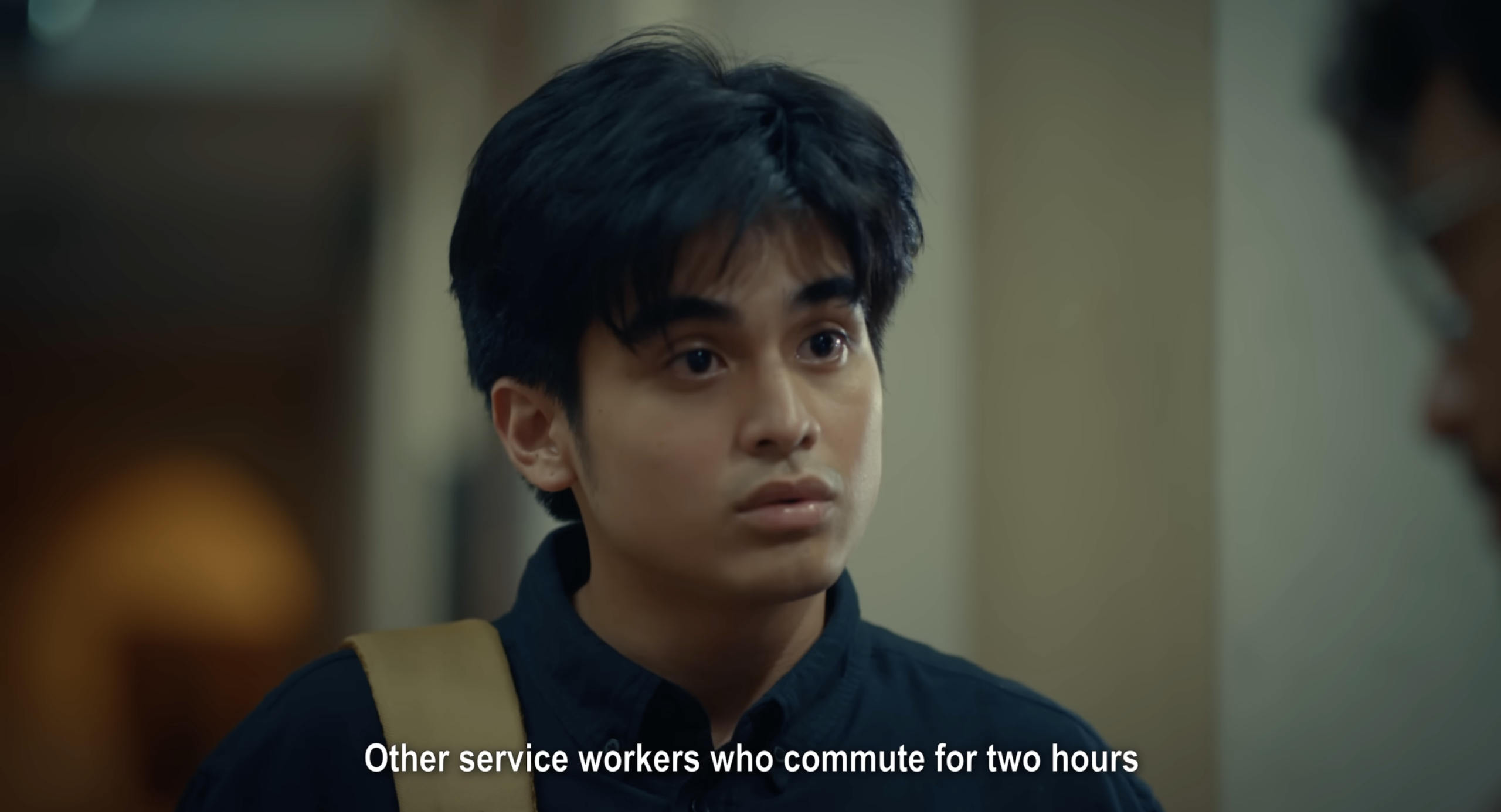
The previous film revolved primarily around the original main cast, while Bar Boys: After School is a mesh of one person’s current struggles with the others. The most notable struggle evident in the movie is Arvin’s challenge of juggling his law education and a part-time job. Along with this are the brief glimpses of struggle and motivation of the other characters, making the movie more of an account than a clean story.
Considering these points categorizes the two films better. Bar Boys focuses on the four main cast members and how their student life affects their future, making its storyline more solid compared to the sequel. However, for less expectancy and more resonance with reality and today’s world, Bar Boys: After School delivers how each of the characters reacts and perceives these challenges, instead of focusing on their journey.
Bar Boys: After School is a film that attempts to resonate with its audience by conveying moral lessons, rather than telling an impeccable story, making the film a failed attempt at didacticism.
These points form a clear portrait of what the movie wants its audience to take away: failure is not because one lacks. Rather, failure is a natural consequence of a life that offers no guarantee, especially when born without a safety net.

In the film’s cinematic elements, the film does not promise remarkable cinematography, with no notable camera movements, symbolic lighting, or iconography that accompanies either its characters or its setting. However, the film focuses on its thematics, hinting at how real lives are lived.
The very lack of these technical aspects signals the realistic environment and character of the movie: the mundanity of law school students trying and failing; the absence of a fixed color scheme, no palette to muse over its meaning; and the lack of background music accompanying the cast other than the everyday noise of everyday objects.
Bar Boys: After School is a film that makes it easily dismissible due to its lackluster narrative. However, for those who need reminders and motivation to continue their journey through life, the film provides these essentials—enough for its audience who share these struggles to triumph in moving forward. F