
MANILA’S FINEST tells a tragic story of powerlessness: in an inescapable situation set in a downtrodden 1969 Manila, the city braces for a nationwide persecution that is yet to come.
Set in the years that preceded the declaration of Martial Law, Manila’s Finest marks Filipino independent film legend and Palme D’Or for Short Film winner Raymond Red’s first foray into commercial filmmaking as director and cinematographer.
The seasoned filmmaker applies his gritty urban sensibilities in creating an authentic late 60s Manila worn down by grime through a beige-tinted frame, founded on the tight screenplay penned by the trifecta of Michiko Yamamoto, Moira Lang and Sherad Anthony Sanchez.
The film won eight awards in the 51st Metro Manila Film Festival Gabi ng Parangal including 3rd Best Picture (shared with “Call Me Mother”), Best Cinematography for Raymond Red, Best Musical Score for Fred Sandoval & Emerzon Texon, Best Sound for Roy Santos, Best Production Design for Digo Ricio, Best Original Theme Song for “Sandalan” by Vehnee Saturno, Best Float (shared with “Unmarry”) and the Gatpuno Antonio J. Villegas Cultural Award.

Starring in the film are actors Piolo Pascual, Enrique Gil, Kiko Estrada, Romnick Sarmenta, Joey Marquez, Ariel Rivera, Cedrick Juan, Ashtine Olvega, Rica Peralejo, Rico Blanco and Soliman Cruz.
The film centers on the dilemma of Captain Homer Magtibay (Pascual) of Manila’s Finest, the official police force holding jurisdiction in Manila. Meanwhile, the official national police force, the Philippine Constabulary, militarizes the Philippines and deems Magtibay’s efforts vain.
Through these two factions, a burning critique of the failures of the police is seen, not just in accomplishing tyrannical government orders but in the inadequacy of their characters and the consequences they suffer from.
The visible antagonists of the film, the Philippine Constabulary, led by the intimidating Cedrick Juan, lack nuance in the story’s portrayal. The members of the other police force are unquestionably vile, from their sabotage of the Finest through staged gang hits to inciting brawls in otherwise peaceful student protests.
But Manila’s “Finest” are violent cops, not any different from their counterparts. Despite being the protagonists of the film, the story argues that the most dangerous gangs in Manila are the two factions, professionally equipped with badges and guns. It is in this contradiction and yet similarity of the two factions that distinguishes Manila’s Finest from other historical films — the two portrayals of the two police forces to the same degree of moral decay.
The script tells its story with a loose flow from scene to scene, eliciting a feeling similar to watching a biopic. While the lack of much buildup may seem bothersome to a few, this decision aptly treats its characters as mere flies on the wall.
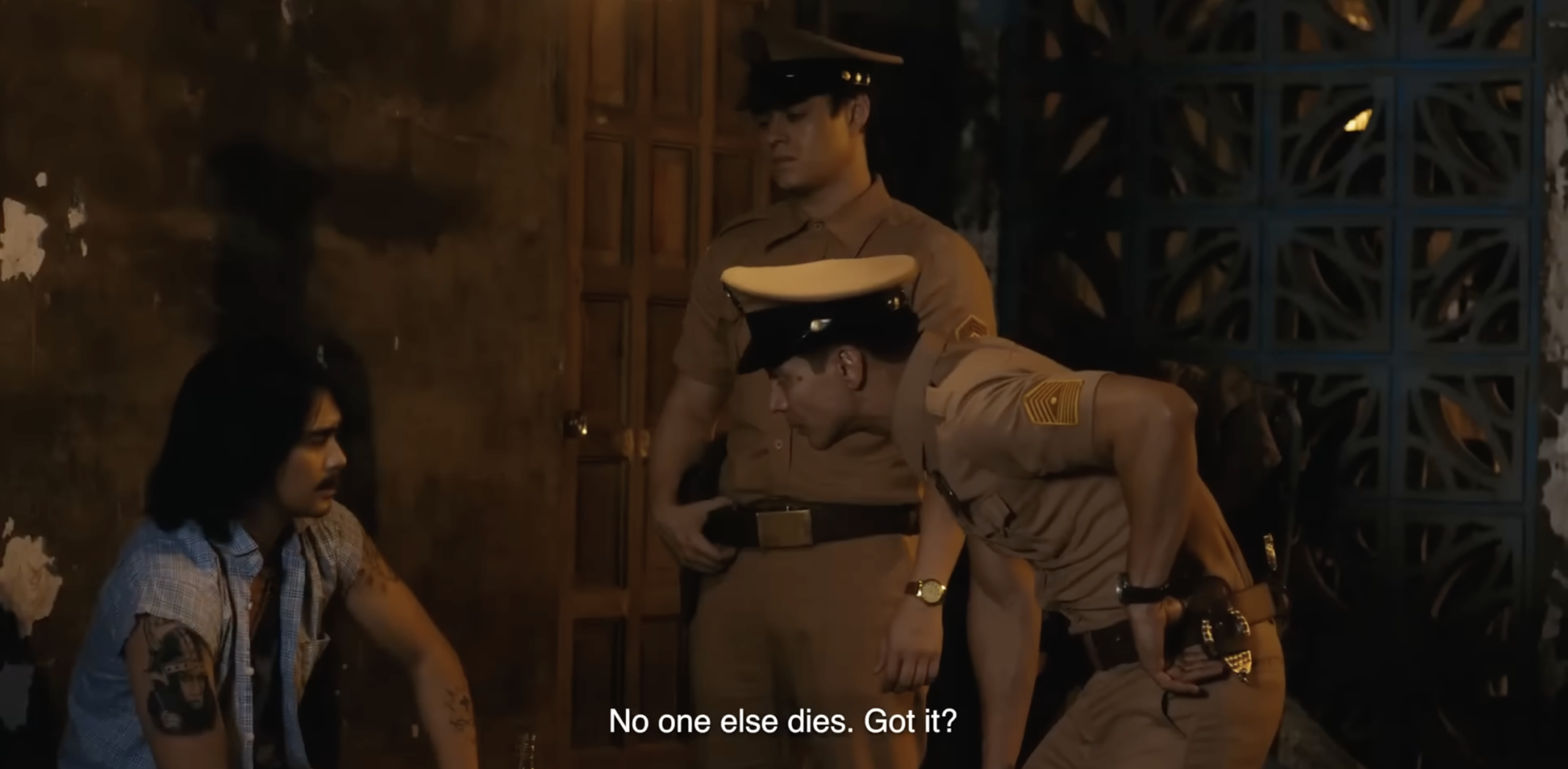
At its core, the film portrays an honest servant under a corrupt system. The film crucifies Magtibay for his inadequacy, punishing him in the end with an undignified conclusion that perfectly wraps the character’s story within its own context and greater historical background.
Even with the film’s clear disparagement of police work, it refuses to punish its worst cops and instead rebukes its conscientious ones. In the denial of proper restitution lies the cynical message of the film—the paralyzing inability to take action while everything slowly sets in motion towards tragedy.
Pascual delivers an outstanding lead performance as Magtibay, flawlessly exhibiting a warm paternal presence that holds as much gravity as his inflections of anxious jitters and pained expressions, carrying the weight burdened on a seasoned cop.
Supplementing Pascual’s performance is Gil’s portrayal of a young hot-headed cop, caught at the liminal space of the two opposing forces. Another remarkable performance is that of Juan, who plays Pascual’s rival with a quiet, strong intensity that matches the protagonist’s valor.
One of the scenes that stood out was Ashtine Olviga’s first appearance as Agnes Magtibay, daughter of Homer. Olviga’s screen time shared with Pascual highlights the emotional peak of the film, as she holds her own alongside the veteran actor.
Red’s cinematography is a true standout as the camera lingers, such as in the film’s climax, where Pascual’s performance inhabits the role with unsettling conviction. It also captures moments of tension and vigor when the story calls for it, such as in a couple of busy action set pieces.
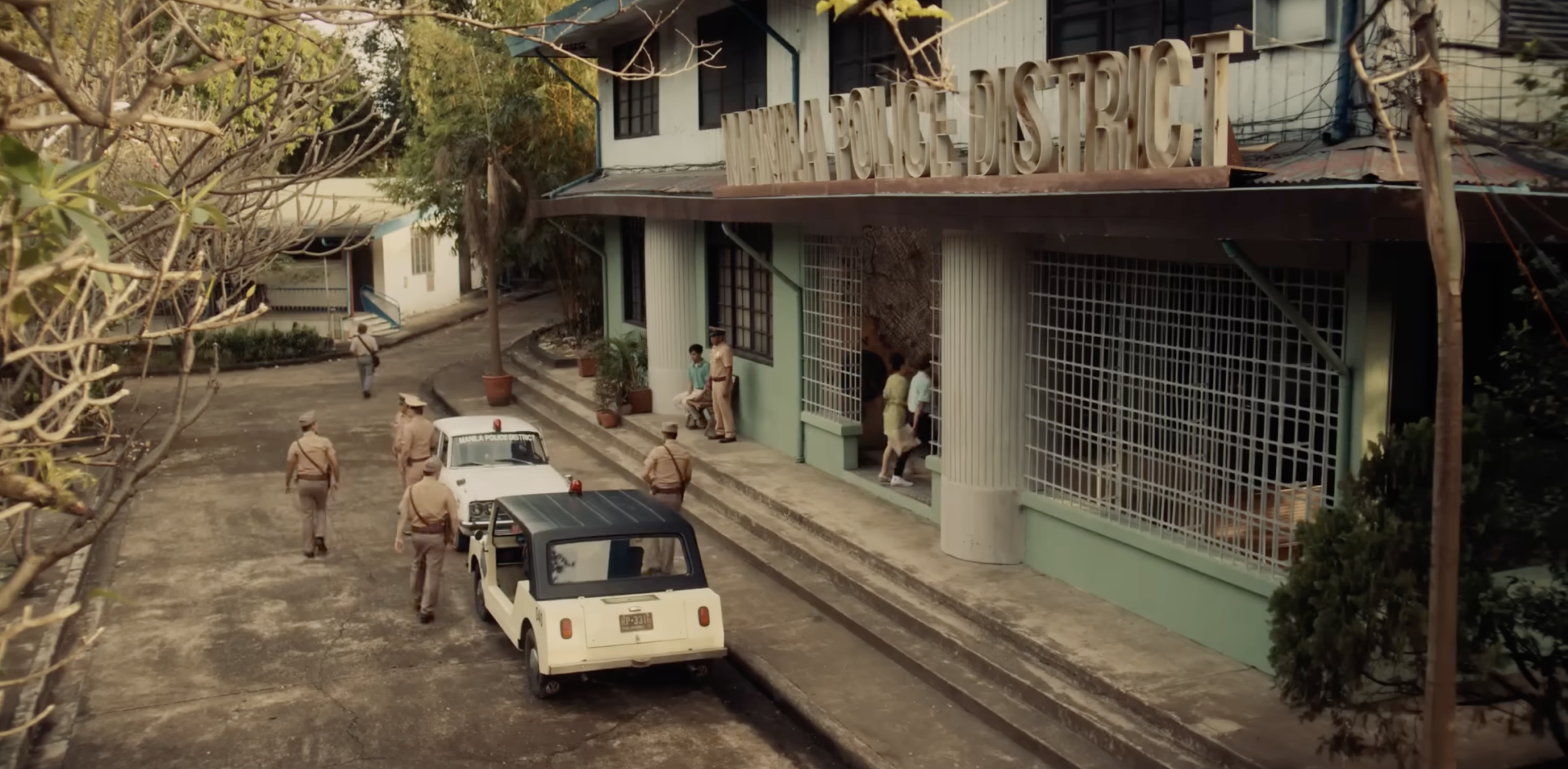
The composition of each frame is intentional and shows a well of depth. The film’s language regularly situates both the Finest and the Constabulary next to each other, both in their brown uniforms struggling to stand out from one another visually, reiterating the commonality between the two forces.
It presents its heroes in a valiant low-angle shot in moments of bravery, such as the shot where Magtibay successfully establishes a truce between leaders of rival gangs, and in an anxious high-angle close up in moments of failure, such as him learning of their subsequent demise. The film stages its protagonists high just to make them fall harder.
Ultimately, Manila’s Finest is a masterful combination of technically sound, affective filmmaking, pillared by a powerful story about helplessness in the face of growing oppression.
It is not a redemptive story about police heroism. Instead, it puts them under a microscope and questions their role in a greater oppression. F – Adam Joseph Bolante