WHEN LITERACY is treated as a mere technical skill confined to the privileged, it risks becoming a means of control rather than empowerment, a Thomasian educator said, as he cited the need to push for an inclusive education during the next ASEAN Summit.
During the ASEAN Literacy Summit at UST, Asian Studies Department chair Jonathan Libut said the youth from various cultures should pursue literacy that embodies freedom and must be equipped with the ability to question and challenge unjust realities.
“When literacy is reduced to mechanical proficiency and elitist camaraderie and affiliations, it can paradoxically become an instrument of control rather than liberation,” Libut said on Friday, Nov. 7.
“Literacy is not merely the ability to read and write but the freedom to ask questions and to demand reasonable answers,” he added.
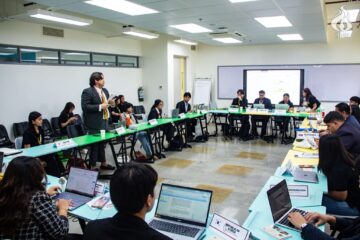
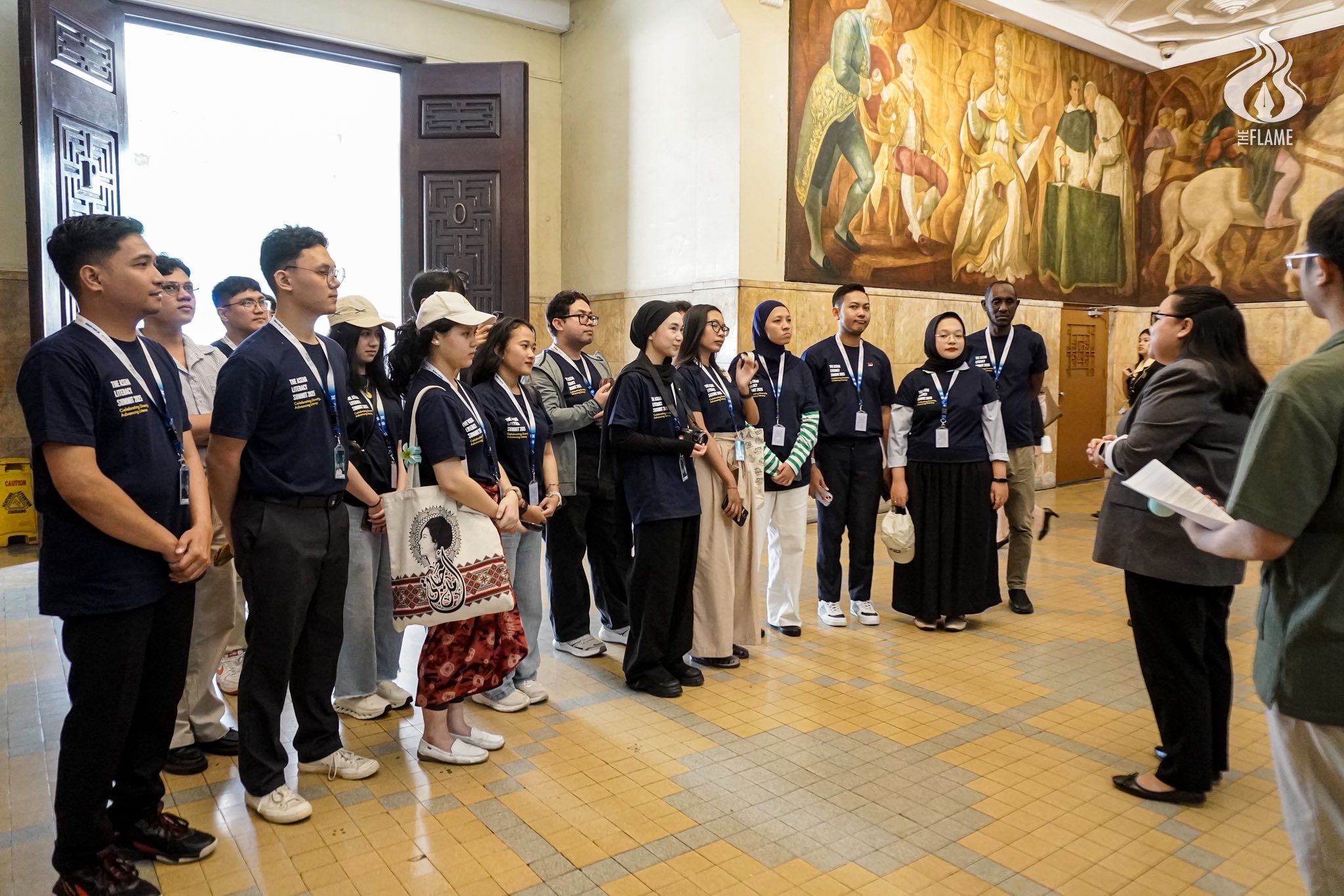
The summit brought together student delegates from Indonesia and local organizations in UST to promote literacy, youth leadership, and intercultural understanding among ASEAN member states.
In his keynote address, Libut warned that educational systems operating in linguistic or cultural exclusivity risk diminishing the region’s identity and perpetuating marginalization.
“In a region as linguistically and culturally diverse as Southeast Asia, where more than a thousand languages reflect varied spiritual and ethnic heritages, literacy must make sure that no community is left out of the story,” he said.
Libut called on participants to view literacy as a “transformative human capability” that could advance social development in the region while maintaining diversity.
“True progress is achieved when individuals can claim their dignity through both competence and voice, when societies value not only productivity but participation, and when leadership is shared rather than imposed,” he said.
According to Libut, Southeast Asian institutions must pursue a “comprehensive literacy revolution” that integrates freedom, belonging, and justice as essential elements of development.
Nurbani Syifa, founder of Youth for Education Indonesia, explained how collaboration among youth in ASEAN nations can bridge social divides.
“I think it is important to connect with each other and foster a good relationship among our countries despite our backgrounds through literacy and education,” Syifa said.
UST Faculty of Arts and Letters Dean Prof. Melanie Turingan expressed hope that the event would serve as an opportunity for students to strengthen cross-cultural understanding and foster enduring partnerships between the two countries.
Organized by the UST Asian Studies Society and Youth for Education Indonesia, the event titled “One Day School Visit: ASEAN Literacy Summit 2025” was held at the St. Raymund de Peñafort Building. It concluded with a campus tour that introduced delegates to the university’s historical landmarks, including the Arch of the Centuries and the Main Building. F — S. T.