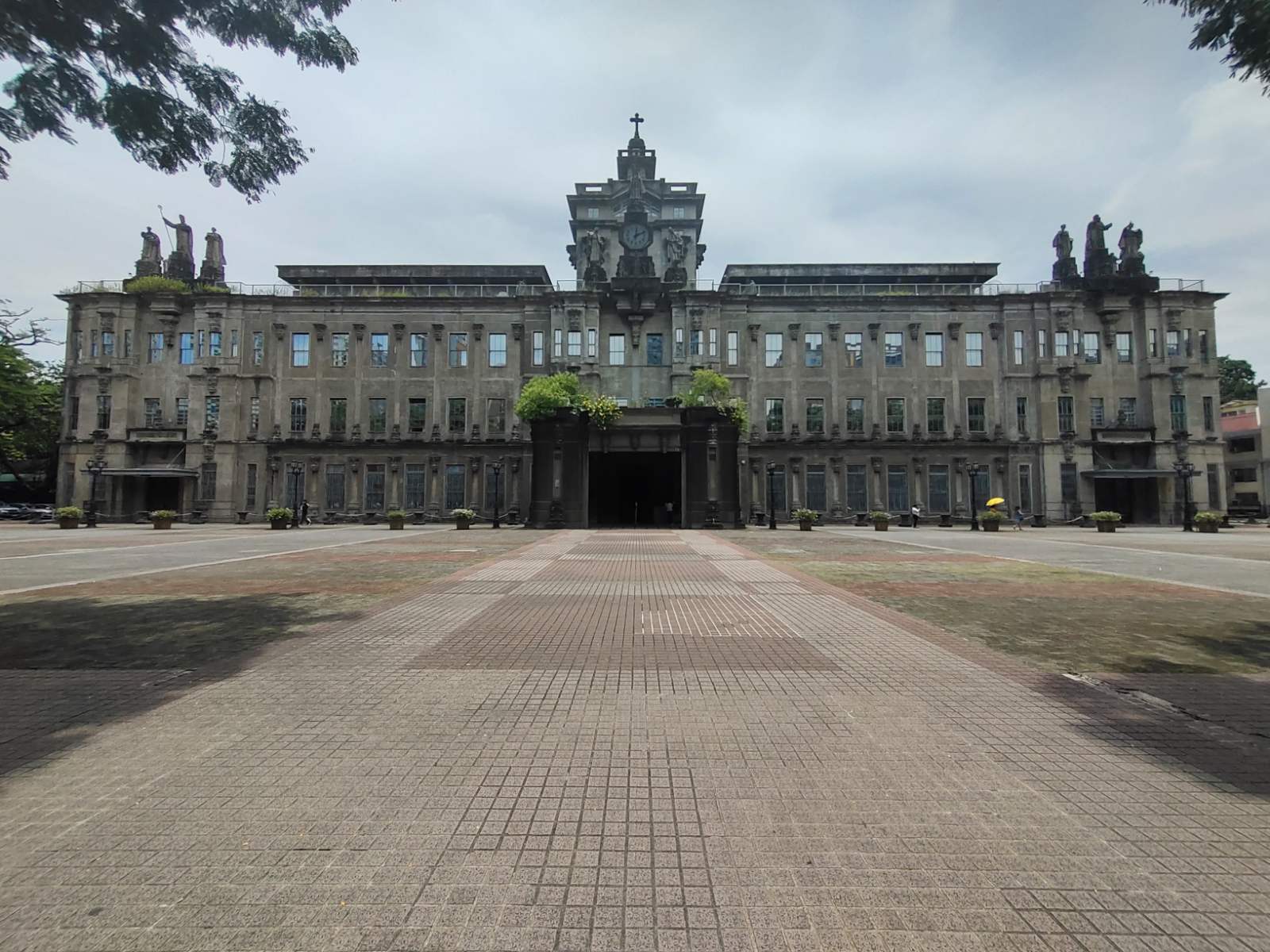
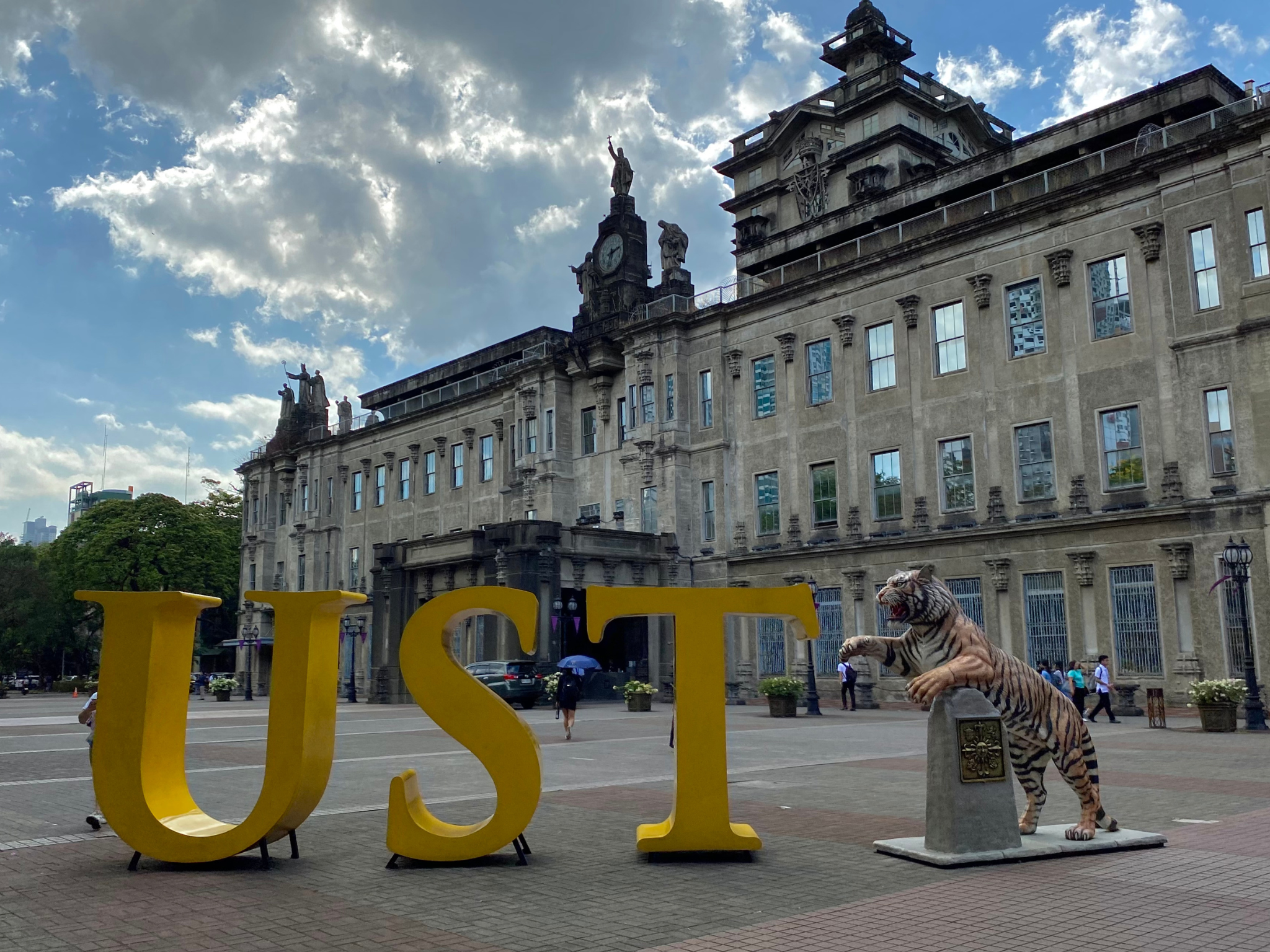
THE UNIVERSITY of Santo Tomas remained the top Philippine school despite dropping from its overall placement in the Times Higher Education (THE) Interdisciplinary Science Rankings (ISR).
Only the same two Philippine universities earned a spot in the latest assessment, while 23 other schools in the country settled for a “Reporter” status after failing to meet the eligibility criteria to secure a ranking.
Despite a higher overall score of 41.2-43.2 from 39.8-42.5 last year, UST fell to the 351-400 bracket from 251-300, following an expansion of the assessment’s pool of participants and interdisciplinary scope.
The ISR, which evaluates performance and support systems for research into different scientific disciplines, saw a 22% increase in participating schools for its second edition, from 749 institutions in 2025 to 911 across 94 countries this year.
UST bested Mapua University, which landed within the 601-800 bracket and attained an overall score of 24.4-33.3, lower than last year’s spot within the 501-600 bracket and score of 25.4-29.9.
The universities were assessed based on the ISR’s three pillars of research evaluation:
— The “outputs” pillar, which covers 65% of the total score (25% for reputation, 20% for quality of interdisciplinary scientific research, 10% for number of interdisciplinary science research publications, 5% for proportion of interdisciplinary science research and 5% for utility outside of discipline)
— The “inputs” pillar, which accounts for 19% (11% for industry funding and 8% for interdisciplinary science research funding)
— The “process” pillar, which makes up 16% (4% each for the promotion and tenure recognizing interdisciplinary research, administrative support, measure of interdisciplinary success and physical facilities)
The ISR has widened its definition of interdisciplinary work to include any research project that spans multiple scientific disciplines. Studies that bridge sciences with non-STEM (Science, Technology, Engineering and Mathematics) disciplines, such as social sciences, economics, law, psychology and health, also now fall within the ranking’s scope.
UST performed best in “process,” where it maintained its score of 66.7. It improved its “inputs” score to 66.1 and obtained a score of 29.6 in “outputs.”
Retaining their “Reporter” status from the first edition were Cebu Technological University, Lyceum-Northwestern University, Nueva Ecija University of Science and Technology, Quezon City University, University of Eastern Philippines and University of the Immaculate Conception.
Other schools in the country that joined the assessment for the first time with a “Reporter” status were Bulacan State University, Cagayan State University, Capitol University, Caraga State University – Ampayon Campus, Central Bicol State University of Agriculture, Central Luzon State University, City College of San Fernando Pampanga, Don Mariano Memorial State University, Mapua Malayan Colleges Laguna, National University, Pangasinan State University, Polytechnic University of the Philippines, Sorsogon State University, Tarlac Agricultural University, University of Eastern Pangasinan, University of Saint Louis Tuguegarao and University of San Agustin.
The data for the second edition were gathered alongside the submissions for THE World University Rankings 2026, which covered the universities’ financial, academic or calendar year that ended in 2023.
The ranking, launched by THE in 2024, serves to assess how universities advance and support interdisciplinary scientific works. It uses bibliometric data, institutional data from participating academic institutions and findings of the ISR survey. F