
ENTRIES AND EXITS, both wanted and unwanted, defined the year 2025, as Thomasians and the rest of Filipinos were shocked, amused, outraged, moved and inspired by episodes that left permanent marks in their collective consciousness.
Corruption schemes that spawned ghost and problematic flood control projects entered everyday discourse and caused the exit of the careers of a number of lawmakers and Cabinet members as well as the credibility of the budget process.
Former president Rodrigo Duterte was forced to exit the Philippines and enter a detention cell in the Hague after he was arrested for allegedly committing crimes against humanity. His daughter, Vice President Sara Duterte entered the safe zone at least temporarily after the Supreme Court ruled that the impeachment complaint against her is unconstitutional.
Thomasian alumna Honey Lacuna exited the Manila City Hall after a crushing electoral loss to Isko Moreno, who regained the mayoralty post after a three-year political hiatus.
Mountaineer and activist Pier Frassati and computer whiz Carlo Acutis entered sainthood while an American cardinal was added to the unbroken line of popes and chose the name Leo XIV.
A number of strong cyclones entered the Philippine area of responsibility and prompted the declaration of a year-long state of calamity. Other notable entries were those of Batangas Rep. Leandro Leviste and Lucio Co, who assumed the ownership of the iconic Solidaridad Bookstore and the embattled PrimeWater, respectively; a US trade policy that slapped hefty tariffs on several Philippine exports and a value added tax levied on digital services.
The year also saw a number of iconic personalities passing on and TV5 walking away from its content partnership with erstwhile television giant ABS-CBN. Some appointees of President Ferdinand Marcos, Jr. also left the government after a performance audit.
The University of Santo Tomas also served as a setting for a number of arrivals and departures, including those that directly affected the learning environment of its students and the working conditions of its workers.
It welcomed the achievements of its athletes in the UAAP and the Southeast Asian games, the international recognitions earned by its media entities, including The Flame, a policy on artificial intelligence or AI and the new operator of its carpark.
The UST administration and the faculty union exited the negotiations with a new deal on the distribution of tuition hike shares while the La Stampa controversy ended with the staffers of the publication and Senior High School officials agreeing to support “students’ growth in responsible journalism.”
The Flame presents 25 events that made an impact on the Artlets community, University, country and world in 2025.
1. Flood control mess inundates PH politics

Journalists were expecting a directive on online gambling during President Ferdinand Marcos Jr.’s fourth State of the Nation Address, but the main story in his 71-minute speech was something more familiar yet still shocking.
The President ordered an extensive probe into the corruption schemes that resulted in substandard and ghost flood control projects, not entirely a secret to Filipinos, but still outrage-inducing, especially in a disaster-prone country.
It led to the filing of cases against lawmakers and public works officials and the issuance of arrest warrants against those believed to be involved in anomalous deals, including contractor Sarah Discaya and resigned lawmaker and Thomasian alumnus Zaldy Co.
Whistleblowers exposed what they described to be systematic “SOP” schemes that allowed some politicians and government engineers to pocket huge kickbacks and yielded subpar projects that placed flood-prone areas at risk.
Marcos himself was tagged in the controversy as Co claimed in a series of videos that the President was behind questionable insertions in the national budget. Malacañang has dismissed Co’s accusations as a “desperate move.”
For the Thomasian community, the scandal strikes a chord, not just because UST is flood-prone, but also due to the tagging of some of its alumni to alleged irregularities, including Co, Sen. Joel Villanueva and dismissed public works department engineer Henry Alcantara. It even triggered a university-wide walkout and indignation rallies, disproving notions that Thomasians are indifferent to social issues.
The issue prompted Marcos to order a thorough review of public works projects and to form the Independent Commission for Infrastructure, a panel tasked to gather information about the flood control anomalies.
Critics claim that no high-profile personalities have been jailed, but Malacañang is confident that more developments will unfold during the remainder of Marcos’ presidency.
The flood control drama turned grim on Dec. 19, when former public works undersecretary Maria Catalina Cabral, a central figure in the planning of flood control projects, fell to her death at a ravine in Benguet. While an autopsy found no signs of foul play, the ombudsman has ordered the preservation of her electronic devices and documents, believing they contain critical information on the proponents of the kickback schemes.
2. Duterte arrested over drug war deaths
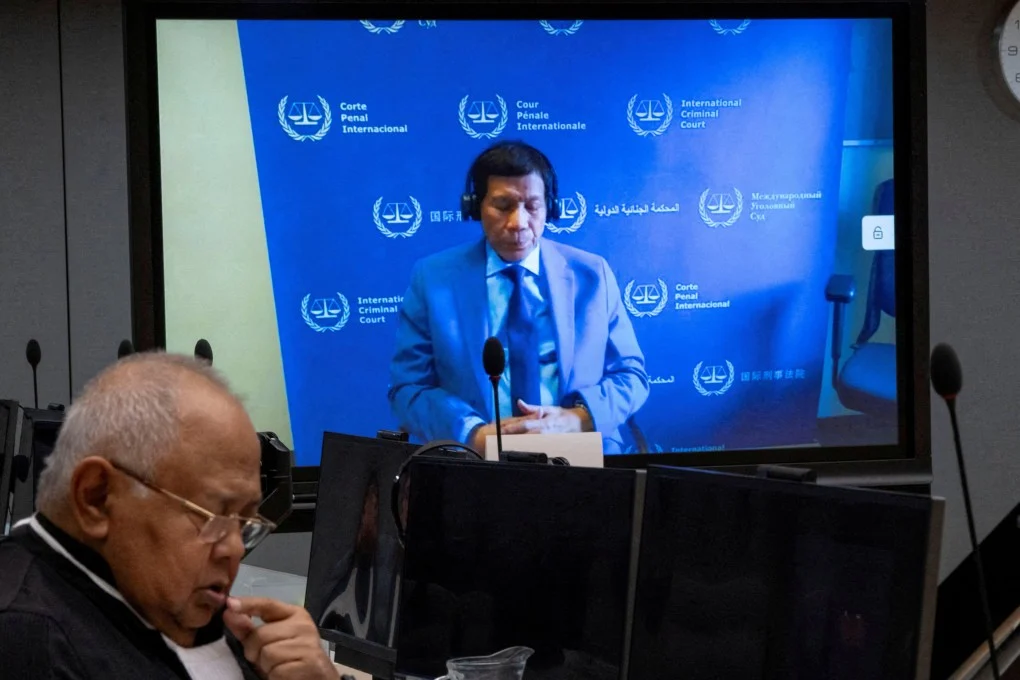
His followers claim it was an injustice. The kin of the victims of his drug war view it as his comeuppance.
In a historic event that gave hope to families of extrajudicial killings, but also widened political divisions, former president Rodrigo Duterte was arrested at the Ninoy Aquino International Airport on a warrant issued by the International Criminal Court (ICC) on March 11.
Duterte, who is now detained in The Hague, has been accused of committing crimes against humanity in connection with the deaths linked to his anti-drug campaign.
Duterte made his first virtual appearance before the ICC pre-trial chamber on March 14 to hear his rights and formal charges, which involve 78 victims across 49 incidents of murder and attempted murder during his tenure as Davao City mayor and Philippine president.
The ICC Appeals Chamber unanimously denied Duterte’s request for interim release on Nov. 28, with the Office of the Prosecutor insisting that his continued detention is necessary to ensure his appearance at trial.
Duterte’s family and supporters claim that his arrest was illegal because the ICC has no jurisdiction over the Philippines. Officials maintain that the arrest adhered to existing laws and legal procedures.
3. Cardinals elect first American pope
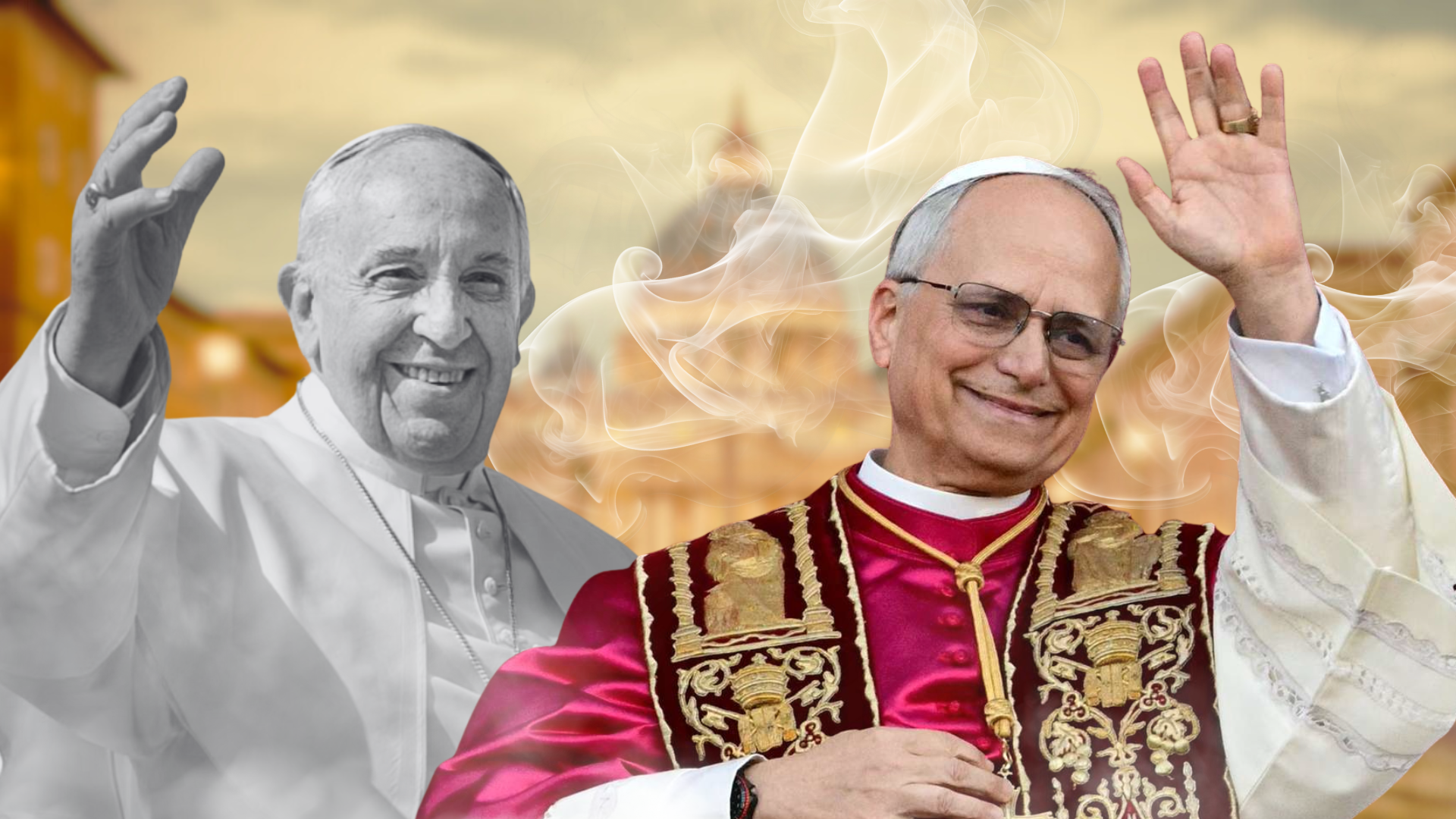
The charismatic Pope Francis passed away on Easter Monday, April 21, ending a 12-year papacy defined by inclusivity and reforms.
Before his death, the 88-year-old Argentinian pontiff stayed in the hospital for more than a month due to bilateral pneumonia. He was then transferred to his residence at Casa Santa Marta, where he spent his remaining days.
Francis was succeeded by Cardinal Robert Francis Prevost, who took the name Leo XIV and became the 267th pope.
A long-time Augustinian missionary, Pope Leo XIV was elected on the fourth ballot of the conclave on May 8, making him the first American leader of the Catholic Church.
He concurrently serves as an administrator of pontifical institutions, including UST.
4. Paskuhan comes early as UST hosts UAAP

Administrators and students of UAAP schools experienced the cherished Christmas traditions of UST last September during the opening of the league’s 88th season.
The University hosted the collegiate league under the theme “Strength in Motion, Hope in Action,” with grand opening ceremonies inspired by Paskuhan festivities.
The opening rites held on Sept. 19 featured a concert at the UST Grandstand, decorative lights and a pyromusical show, drawing over 36,000 Thomasians and delegates from other UAAP member schools.
Two-time Olympic pole-vaulter EJ Obiena led a torch relay and lit the cauldron at the UST Grandstand. Also present during the ceremony were former Thomasian student athletes Sisi Rondina, Sydney Sy and Jervy Cruz.
The event’s production was led by Artlets, namely AB Communication Arts graduates Fr. Jeffrey Aytona, Marvin Rellamas and Frank Lloyd Mamaril.
5. Performance audit, flood control scam trigger leadership changes in government

After the weaker-than-expected showing of his allies during the midterm elections, President Ferdinand Marcos, Jr. announced that he would conduct a performance assessment of his officials, admitting that people are disappointed with government services.
Among those who left the administration after the review were environment secretary Maria Antonia Yulo Loyzaga, who was succeeded by Energy Secretary Raphael Lotilla; former solicitor general Menardo Guevarra, who was replaced by University of the Philippines College of Law Dean Darlene Marie Berberabe and Commission on Higher Education (CHED) chairman J. Prospero de Vera III, who was succeeded by CHED Commissioner Shirley Agrupis.
Marcos’ exposé on the flood control mess also led to the downfall of some high-ranking officials, including his cousin, Leyte 1st district Rep. Martin Romualdez, who resigned as House speaker on Sept. 17 to give way to an independent probe.
Isabela 6th district representative Faustino Dy III was elected as Romualdez’s successor.
The Senate also saw a shake-up when Sen. Francis Escudero, who had been linked to a contractor that bagged several flood control deals, was ousted as Senate president and was replaced by Sen. Vicente Sotto III.
Former public works secretary Manuel Bonoan, whose leadership faced scrutiny because of the scandal, resigned from the Cabinet and was replaced by then transportation chief Vince Dizon.
Former budget secretary Amenah Pangandaman and executive secretary Lucas Bersamin also stepped down from their posts after their offices had been linked to budget insertions.
This led to the appointment of former undersecretary Rolando Toledo as acting budget secretary, former finance secretary Ralph Recto as executive secretary and Special Assistant to the President for Investment and Economic Affairs Frederick Go as finance secretary.
6. Impeachment effort vs. VP Sara fizzles out

Vice President Sara Duterte scored a major victory over her political opponents after the Supreme Court ruled that the impeachment complaint against her is unconstitutional. The Senate later on cited the ruling to explain its decision not to proceed with the trial.
According to the Supreme Court, the House of Representatives’ article of impeachment passed on Feb. 5 violated a constitutional rule limiting one impeachment complaint against the same official within a year, as well as the right to due process.
The decision did not absolve Duterte of the accusations, but bars the filing of a new impeachment complaint against her until Feb. 6, 2026.
The vice president was impeached for her supposed failure to account for her confidential funds and the alleged plot to assassinate President Ferdinand Marcos, Jr., First Lady Liza Marcos and former House speaker Ferdinand Martin Romualdez.
7. Filipinos bid farewell to Enrile, Aunor, other prominent personalities
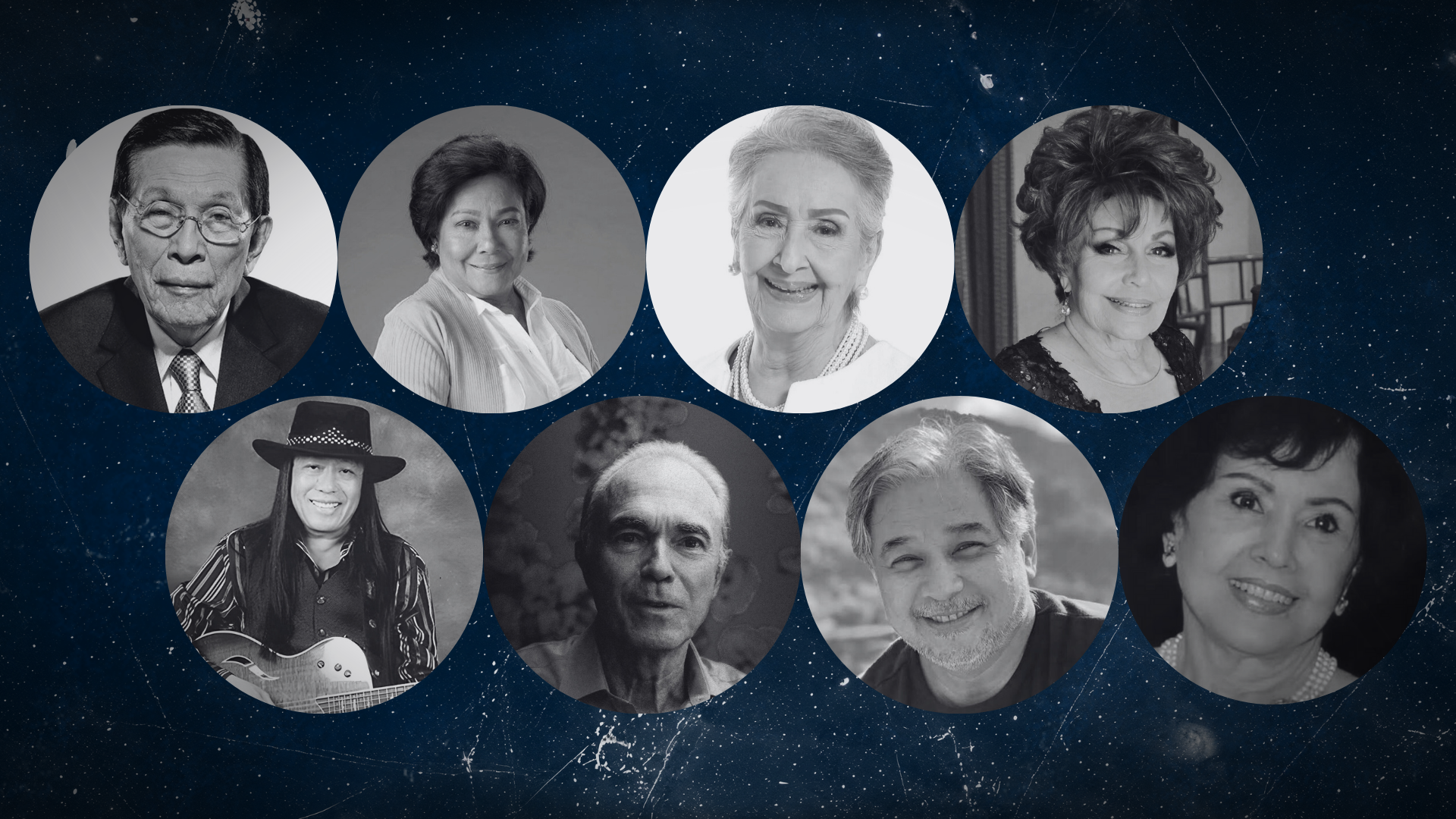
Juan Ponce Enrile, the chief presidential legal counsel and a former Senate president, died on Nov. 13 after battling pneumonia. He was 101.
He was a key figure in Philippine politics for seven decades, handling various positions in the executive branch and the legislature.
The Philippine entertainment industry also lost a number of icons last year.
National artist and award-winning actress Nora Aunor died on April 16 at the age of 71 after undergoing a medical procedure. Veteran actress Gloria Romero, known for her roles in films such as “Magnifico” and “Tanging Yaman,” passed away on Jan. 25 at the age of 91.
Other well-known personalities who passed away in 2025 include Asia’s Queen of Songs Pilita Corrales, musician Freddie Aguilar, painter Juvenal Sanso, actor Ricky Davao and actress Delia Razon.
Thomasians also lost a beloved educator with the passing of veteran business journalist Cai Ordinario on Nov. 17 at the age of 45.
8. Youth models Frassati, Acutis enter sainthood

Mountaineer and activist Pier Giorgio Frassati and computer enthusiast Carlo Acutis were canonized together on Sept. 7 in St. Peter’s Square, Vatican City.
The Italian models of the faith are the first saints under Leo XIV’s pontificate. Their canonization took place during the Holy Year of Hope, a century after Frassati’s death.
Frassati, the patron of UST Senior High School, served the poor in Turin and is remembered for his motto, “Verso L’Alto” (To the heights).
Acutis, the first millennial saint known as “God’s influencer” and “cyber apostle,” used digital tools for evangelization and created a website on Eucharistic miracles.
9. The Flame wins prestigious SPJ award; other UST media entities bag international plums

The Flame made history as the first Asia-based publication to bag first prize in the in-depth category of the Society of Professional Journalists (SPJ) Mark of Excellence Awards for large universities at the regional level.
The winning entry titled “From streets to sheets: Motorcycle drivers ride on sex work as they traverse hard times” was written by editor-in-chief Zoe Airabelle Aguinaldo, associate editor Joss Gabriel Oliveros, Jianzen Deananeas and Ma. Alyanna Selda.
It is also the first campus publication to sweep all categories of the UST National Campus Journalism Awards (UNCJA) during its 10th year, with the same story winning best in-depth report. Best editorial went to former editor-in-chief Fatima Baduria and former managing editor Bless Aubrey Ogerio for “Token directive, token statement”, while Selda’s “Through sticks and strings: Pinoy puppeteers struggle to survive post-lockdown” earned best feature.
The Varsitarian was recognized at the US College Media Association Pinnacle Awards, bagging eight awards for different works, including “Papal Coverage: Francis’s Death and Leo XIV’s Election” and “‘Superstar’ – UAAP Season 87 Second Semester Primer.”
UST’s broadcasting arm, Tiger Media Network, also earned accolades from an overseas award-giving body, taking home four awards at the 2025 International Student Broadcasting Championship in the categories people’s choice talent, best voiceover, best copywriting script, and best content/programme director.
10. UST adopts AI policy
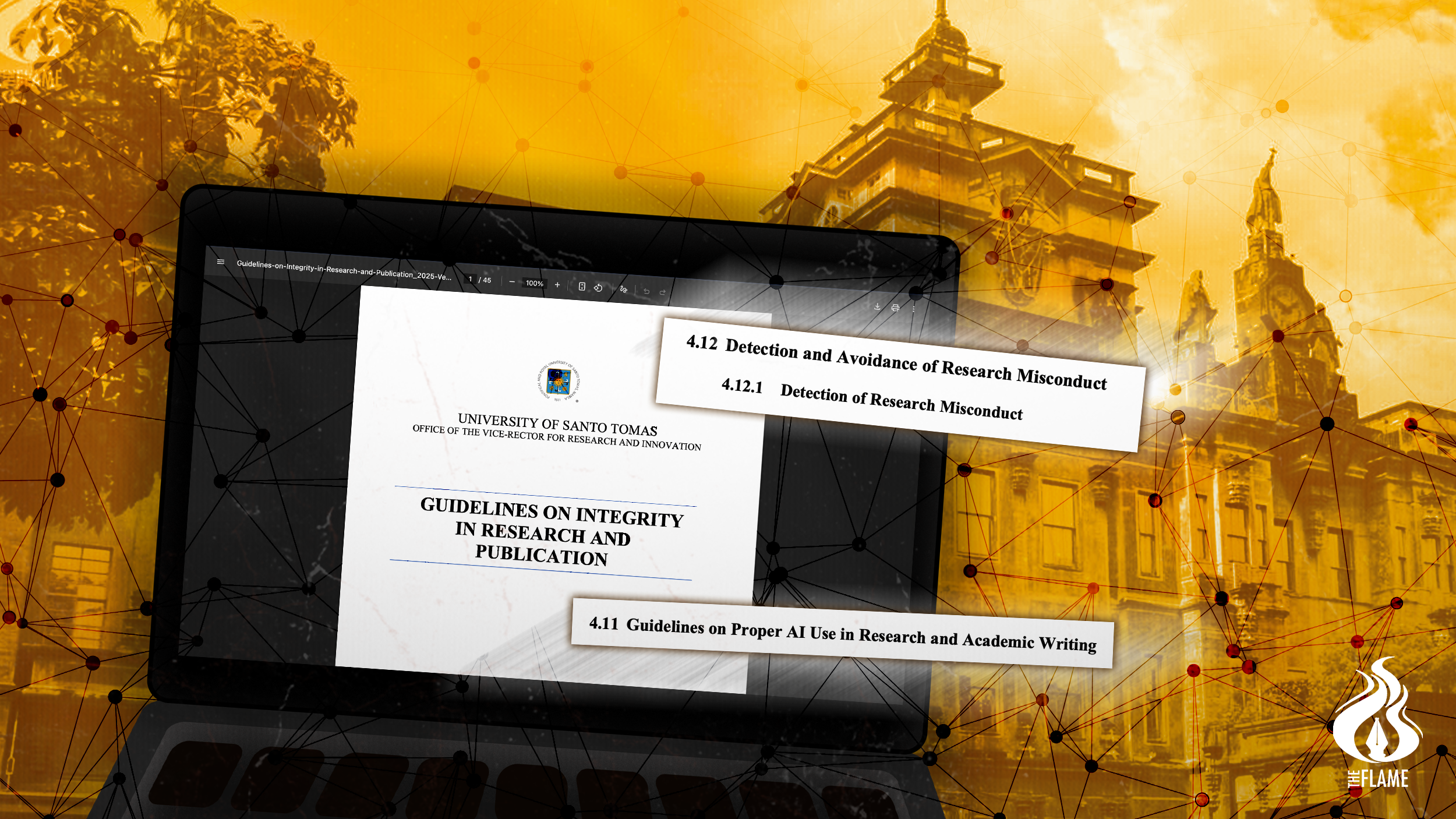
Amid the mounting ethical concerns over the use of AI in the academe, UST crafted its guidelines and implementing policies on the responsible use of the technology in all scholarly works.
The AI policies were integrated into the UST Guidelines on Integrity in Research and Publication, which requires researchers to disclose all AI use in their papers, such as writing assistance in the acknowledgement section and the tools used for data analysis in the methods section.
The Faculty of Arts and Letters also included an AI section in the latest edition of the Research and Thesis Management Committee’s general guidelines for thesis writing, which now requires an AI declaration form for students’ final papers.
UST was among the few institutions in the country that had formally created guidelines on the ethical use of AI in research. Other institutions that adopted AI policies are De La Salle University, University of the Philippines and Far Eastern University.
11. Isko Moreno returns as Manila Mayor after beating Honey Lacuna by landslide
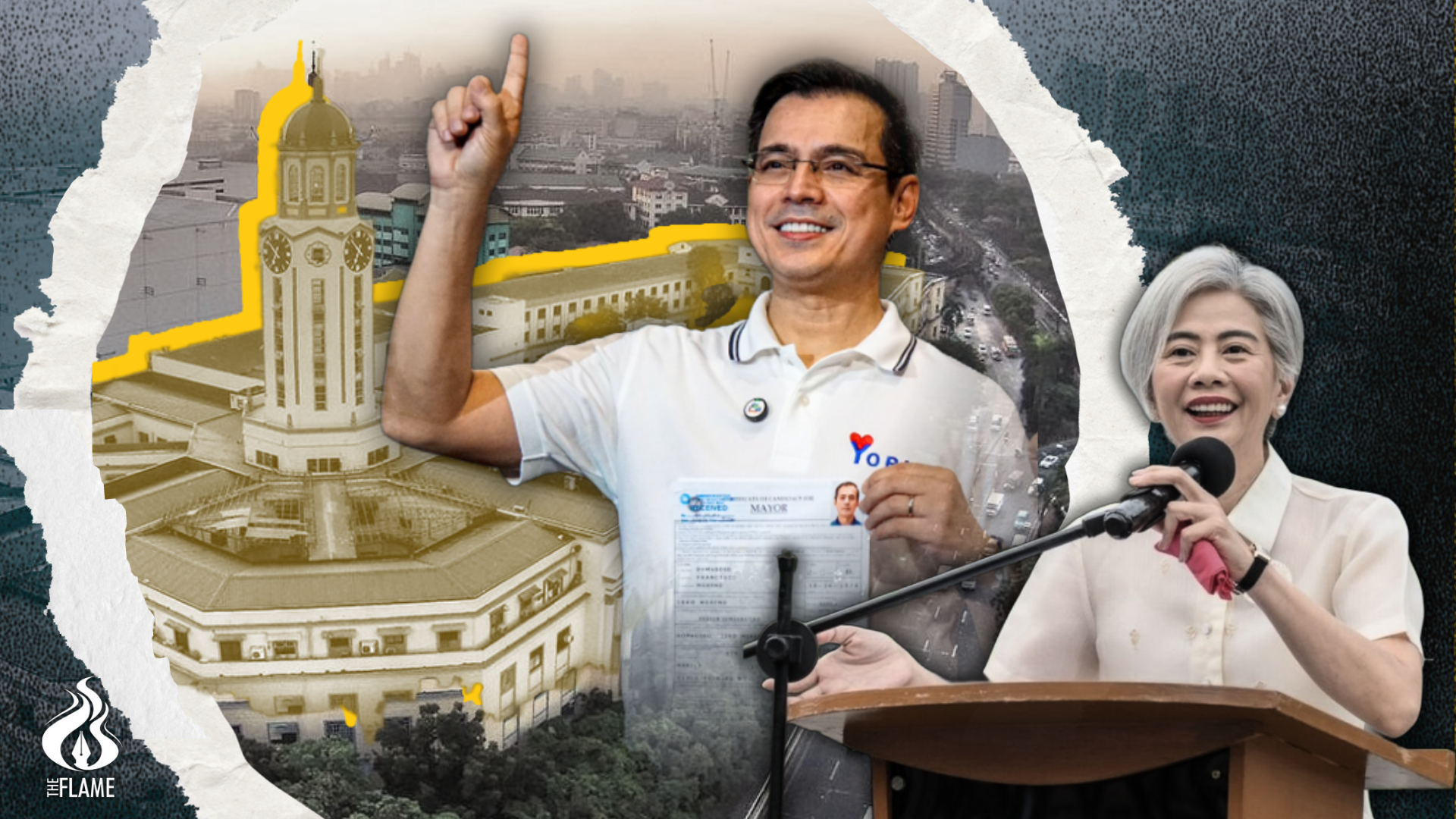
Francisco “Isko Moreno” Domagoso reclaimed the Manila mayoralty during the local midterm polls after defeating his former ally and then-incumbent mayor Honey Lacuna.
Domagoso was proclaimed winner by the Commission on Elections on May 13 after securing 529,507 votes against Lacuna’s 190,315 and former Tutok to Win partylist representative Sam Verzosa’s 164,047.
Domagoso’s running mate Chi Atienza also emerged victorious in the vice mayoralty race with 582,510 votes.
Lacuna, a Thomasian alumna, drew flak in 2024 over a controversial health permit policy that UST workers groups described as “burdensome,” “illogical” and “unjust.”
12. AB names new department chairs, adopts new policies
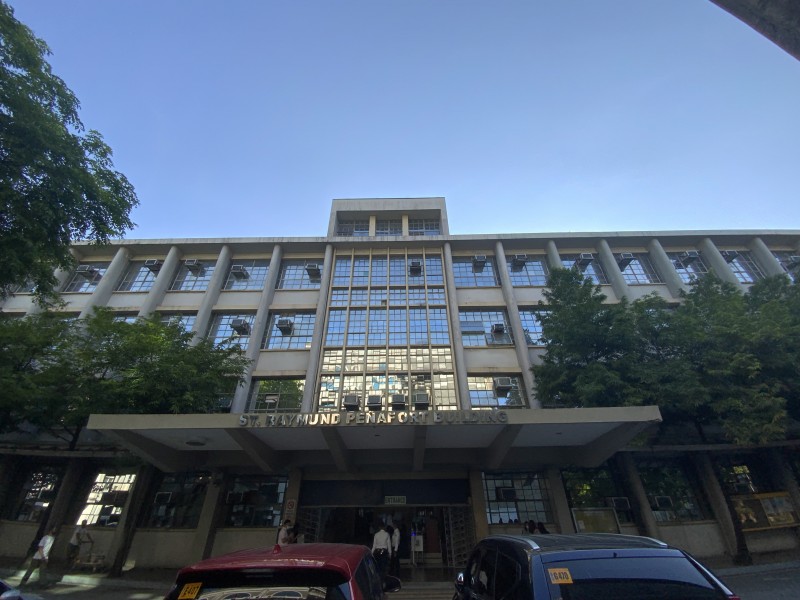
The UST Faculty of Arts and Letters started the academic year with the appointment of four new department chairs, all of whom are holders of or candidates for a doctorate degree.
The new department heads are Prof. Jeremaiah Opiniano (Journalism), Asst. Prof. Edelberto Bunquin (Legal Management), instructors Jonathan Libut (Asian Studies) and Jade Harley Bretaña (Sociology).
Lawyer Erinn Mariel Perez was also named the new AB Student Welfare and Development coordinator.
AB has also effectively phased out late-night sessions to ensure student safety and energy conservation, with an exception for Legal Management, whose professors are practicing lawyers. Most Artlets classes must now end by 7 p.m.
13. New operator takes over UST Carpark

With the expiry of UST’s contract with the operator of its carpark came the temporary closure of its food concessionaires, rehabilitation works and changes to the facility’s parking policies and regulations.
FlexIT Mobility Solutions Inc. now oversees the UST Carpark’s operations, succeeding private operator and contractor Selena Holdings Corp., whose contract with the University ended on Nov. 15.
A new policy that earned criticisms was the increase in the overnight parking rate from P50 to P1,000, which FlexIt later clarified would not apply to Thomasians, University staff, visitors of the UST Hospital and other stakeholders with IDs and clearance slips.
UST Facilities Management Office director Fr. Dexter Austria O.P. said that the carpark’s previous food concessionaires may return under a contract with UST, as the facility undergoes structural inspections and repairs.
14. PH placed under year-long state of calamity

The destruction caused by several typhoons in 2025, which was deemed the Philippines’ most disaster-prone year, prompted the President to place the country under a year-long state of calamity.
Following the recommendation of the National Disaster Risk Reduction and Management Council, President Ferdinand Marcos, Jr. issued Proclamation 1077 on Nov. 5 for the urgent recovery, rescue, relief and rehabilitation of disaster-hit areas.
Among the 23 tropical cyclones that hit the country, Typhoon Tino was the deadliest, leaving 269 Filipinos dead, 523 injured and 113 missing last November. Super Typhoon Uwan entered the country while affected communities were still recovering.
From September to October, two major earthquakes also struck various parts of Central Visayas and Davao Oriental.
15. Solidaridad, “Asia’s Biggest Little Bookshop,” sold to lawmaker
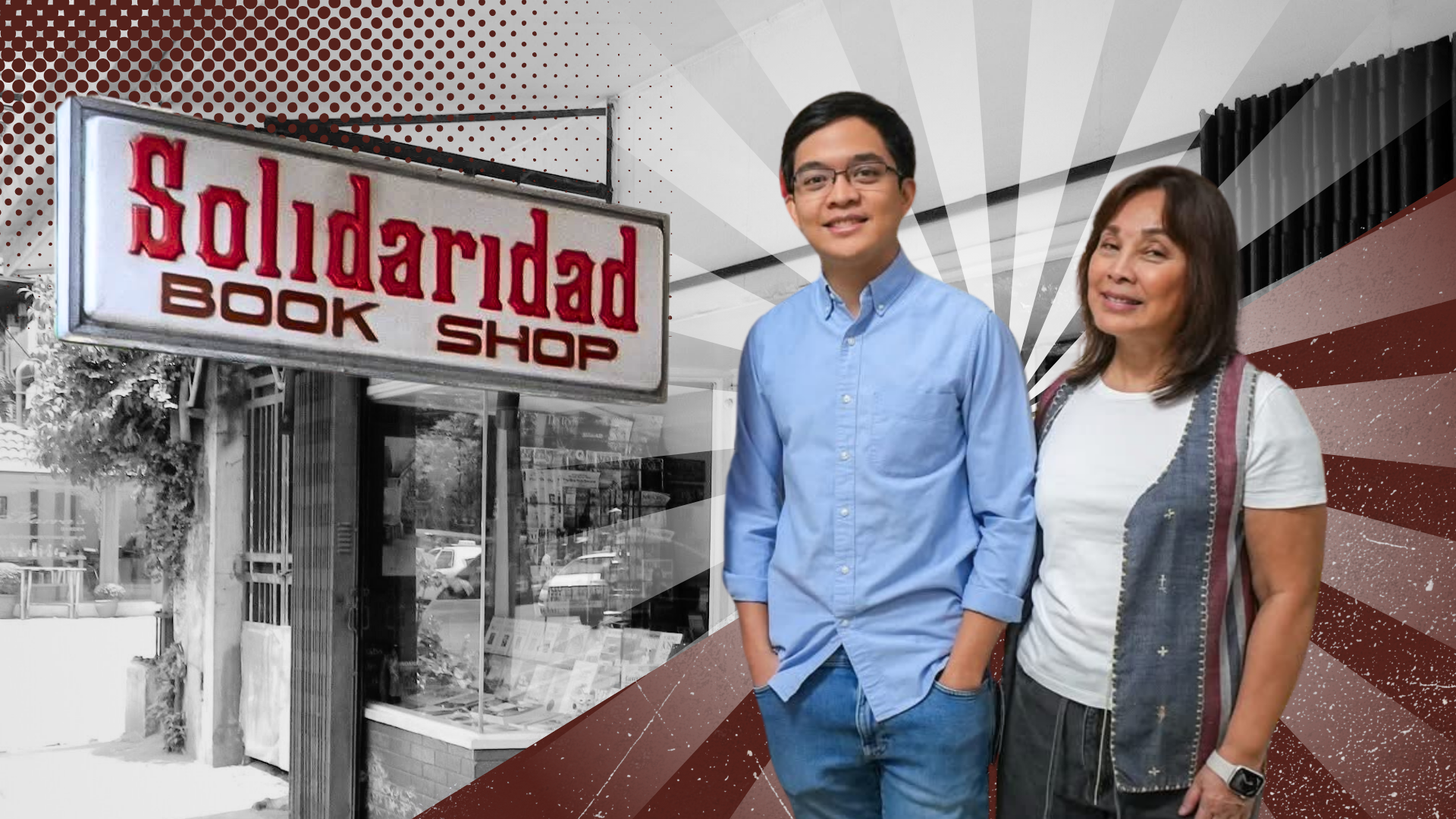
The year 2025 marked the end of an era for Solidaridad, a bookshop founded in 1965 by National Artist for Literature F. Sionil José and his wife Tereista.
Financial difficulties prompted the family of the late National Artist and Thomasian alumnus to sell the iconic bookstore to Batangas first district Rep. Leandro Leviste in November.
Solidaridad is named after the Philippine reformist newspaper of the Propaganda Movement, La Solidaridad. It is known for its extensive collection of Filipiniana and local literature.
After the deaths of F. Sionil and Tereista Jose in 2022, the shop was managed by their eldest son, Antonio “Tonet” Jose, who admitted that his family could no longer manage it in the long-term and had no younger relatives to take over.
Leviste, son of Senator Loren Legarda and a friend of the José family, said he plans to continue the bookshop’s operations and preserve its legacy and history, with the continued advice and involvement of its former owners.
16. Tigresses recapture crown; Maroons sweep third seed Tigers

The UST Growling Tigresses brought back the UAAP women’s basketball crown to España on Dec. 14 after a grueling finals trilogy against the NU Lady Bulldogs, capping their historic campaign with with just a single defeat.
However, the championship remains elusive to the UST Growling Tigers as they repeated their season 87 woes and placed fourth with an 8-6 win-loss slate. The men’s basketball squad fell short in its do-or-die match with the twice-to-beat UP Fighting Maroons.
The De La Salle Green Archers clinched the men’s basketball crown, dethroning UP in the winner-take-all Game 3 on Dec. 17.
Host school UST ended the first semester as the UAAP Season 88 general championship leader with 161 points in the seniors division, highlighted by title wins from the Growling Tigresses, Male Woodpushers, Male Tiger Paddlers and both the men’s and women’s Tiger Sands.
Meanwhile, UST also topped the juniors division with 143 points. It was anchored by golden double victories from the Junior Tiger Sharks, Junior Woodpushers, Junior Tiger Paddlers, along with a title from the Junior Tiger Tracksters.
17. PH finishes sixth in SEA Games; Thomasian bags first PH gold in poomsae division

The Philippines placed sixth overall during the 33rd Southeast Asian (SEA) Games held in Thailand after securing 50 gold, 73 silver and 154 bronze medals.
Twenty-four of the 277 medals were contributed by Thomasian athletes in different sports, including John Kobe Macario, who delivered the Philippines’ first gold in the men’s freestyle individual poomsae. Tachiana Mangin also secured gold in her debut in the women’s -49kg kyorugi.
Among the 16 Thomasian gold medalists were two-time Olympic pole-vaulter EJ Obiena, who claimed his fourth straight title after setting a new record, and Hokket delos Santos, who topped the decathlon.
The three Thomasian silver medalists are former Tiger Jin Laila Delo for women’s -73kg kyorugi, Tiger Jins captain King Nash Alcairo and alumni Rodolfo Reyes Jr. for poomsae trio event and former Tiger Noelito Jose Jr. for fencing.
Fifteen Thomasian athletes brought home 11 bronze medals, including Golden Spikers Josh Ybañez, Al-Bukharie Sali and Odjie Mamon, who headlined the Alas Pilipinas Men, and Tiger Paddler Eljey Dan Tormies from men’s table tennis. The other bronze medalists were Jannah Alyssa Catantan, Eunice Daniel Villianueva, Haniel Abella, Alexa Larrazabal, Lianne Diana Pama, Annie Ramirez, Daryl John Mercado, Aljen Aynaga, Jocel Lyn Ninobla, Jeus Yape and Darius Venerable.
18. La Stampa hits censorship a year after TomasinoWeb photo controversy

La Stampa, the official student publication of the UST Senior High School (SHS), reported facing censorship when its advisers told its editors to revise a National Press Freedom Day commemorative cartoon to focus on artificial intelligence (AI) and fake news instead of its original message about suppression.
The publication’s editor-in-chief Laurice Escuin also alleged that its two advisers often delayed the approval of news and restricted content that might taint UST’s image. She added that La Stampa was treated as a public relations team due to the advisers’ “hyperfixation” on positive news.
The College Editors Guild of the Philippines condemned the rejection of the press freedom cartoon, which depicted a writer on a puppet string, deeming it a “blatant act of censorship” that undermined student journalists’ editorial independence.
After the issue gained online attention, the UST SHS administration allowed La Stampa to nominate new advisers.
The incident took place a year after the UST Office for Student Affairs drew intense criticism for ordering TomasinoWeb to take down a photo of two College of Information and Computing Sciences (CICS) students entering the 7-Eleven branch inside UST. The photo, which supposedly subjected the CICS students to ridicule, has been regarded as a symbol of the fight for campus press freedom.
Also last year, six media entities in UST told The Flame that they have experienced various forms of restrictions at the hands of their respective advisers or administrators.
19. TV5 ends content partnership with ABS-CBN

A five-year deal that allowed the airing of hit ABS-CBN shows on TV5 ended prematurely after the Kapamilya channel failed to remit revenue shares it collected from its advertisers on time.
The termination of the content agreement, which was signed in June 2023, took effect last Jan. 2.
TV5 said the failure of ABS-CBN to pay what is due affected its ability to settle its own obligations
ABS-CBN confirmed its receipt of a notice of termination from TV5, but denied any willful delay in payment. According to the Lopez-led firm, it is still recovering from the financial impact ot the denial of its franchise by the Duterte administration in 2020.
ABS-CBN has settled its obligations and has inked a licensing deal with the Villar-owned AMBS, marking the return of its shows on free TV via ALLTV channel 2.
20. Villar group sells embattled PrimeWater to Lucio Co

After drawing flak for alleged water service inefficiencies, the Villar Group entered into definitive agreements to sell 100% of PrimeWater Infrastructure Corp. to the Lucio Co Group’s Crystal Bridges Holdings Corp.
The transaction also came in the wake of a directive by Malacañang to look into PrimeWater consumers’ complaints of interrupted water supply delivery and high water charges.
In a statement, the Villar Group said the acquisition would transfer all of PrimeWater’s nationwide operations to the business tycoon behind Puregold and S&R Membership Shopping. It also expands Co’s water portfolio, which already operates Pamana Water Corporation across six provinces since 2017.
Former senator Cynthia Villar had said that her husband, Manny Villar, wanted to dispose of the company as it has become a political tool against their family.
21. UST Faculty Union gets overdue tuition increase shares

After a prolonged standoff between the UST Faculty Union (USTFU) and the University administration, teachers received their four-year worth of tuition hike shares amounting to P220 million with the ratification of a collective bargaining agreement (CBA).
The finalized deal covering the academic years 2021-2022 until 2023-2024 paved the way for UST to release the funds to eligible teaching staff, while providing full medical coverage for full-time faculty members and partial coverage for part-time instructors on a trial basis.
The dispute reached its peak when the USTFU filed a strike notice before the labor department, which had to mediate negotiations through its National Conciliation and Mediation Board.
USTFU president Asst. Prof. Emerito Gonzales said the union would continue contract negotiations and seek to decouple future tuition-share talks from the CBA to avoid similar delays.
22. White beep cards give students, other sectors 50% discount on train fares

White beep cards, which automatically provide a 50% discount on LRT-1, LRT-2, and MRT-3 rides, were made available to students, senior citizens, and persons with disabilities last year.
The transportation department said students can get their cards at any train station by presenting a valid ID or enrollment certificate. The cards, which cost P30 each, can be issued immediately and reloaded through mobile payment without returning to the train station.
This initiative follows earlier fare discounts for senior citizens and persons with disabilities and forms part of the Marcos administration’s efforts to make the country’s transportation system more accessible.
23. Trump slaps 19% tariff on PH exports to the US
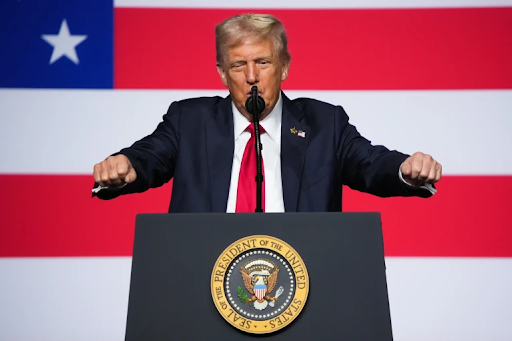
The Trump administration imposed a 19% reciprocal tariff on various Philippine exports to the US as part of a trade policy widely seen to slow global growth and affect international supply chains.
Washington initially sought to slap a 20% rate on Manila’s exports, but agreed to lower it to 19% following high-level negotiations between US President Donald Trump and Philippine President Ferdinand Marcos, Jr. in July.
The Philippines also agreed to grant the US open market access through zero trade dues on some American automobiles and to increase its imports of soy, wheat and pharmaceuticals.
“One percent might seem like a very small concession. However, when you put it in real terms, it is a significant achievement,” Marcos said.
The economic development department said the impact of the tariff on economic growth would not be that much, but admitted that the policy could result in a trade diversion.
In November, Trump granted additional exemptions for reciprocal tariffs on Philippine agricultural exports, including coconut oil, processed pineapples and bananas and dried fruits.
24. Subscription fees rise as gov’t imposes 12% VAT on digital service

Subscription fees of platforms like Netflix have risen as the Marcos administration implemented a law that imposed a 12% value-added tax on digital services.
Republic Act 12023 covers both local and foreign providers and is intended to boost revenue for public services, infrastructure and socio-economic programs.
Foreign companies earning over P3 million annually must register with the Bureau of Internal Revenue and designate a local representative or face temporary suspension, with the exception of educational digital services and subscriptions sold to the Department of Education, Commission on Higher Education and state educational institutions.
Signed by President Ferdinand Marcos, Jr. on Oct. 2, the law also allocates 5% of the digital VAT revenue over the next five years to support the local creative industry, while leveling the playing field between domestic and foreign providers.
Lawmakers said the law ensures that foreign digital services would contribute fairly to the country’s tax base and protects local creative businesses.
25. Bill seeking to boost PH internet access becomes a law

The Konektadong Pinoy bill, also known as the Open Access in Data Transmission Act, lapsed into law on August 24. The President neither signed nor vetoed he measure within the constitutionally mandated 30-day period.
The law removes legislative franchise requirements for data providers to enable new competitors to enter the market and create a more competitive telecommunications industry, especially in rural areas.
Other laws that were enacted this year include the Anti-POGO Act, the Economy, Planning and Development Act, the Virology and Vaccine Institute of the Philippines Act, Early Childhood Care and Development System Act, Accelerated and Reformed Right-of-Way Act, Government Optimization Act, Philippine Natural Gas Industry Development Act, the act providing for equitable access to Shari’ah courts and Chemical Weapons Prohibition Act. F – Anna Asuncion, Rovy Jilyn Fraginal, Mikaela Villacorta, Alliya Jade Perez and Mariamne Yasmin Yap.