 Art by Ma. Alyanna Selda/ THE FLAME
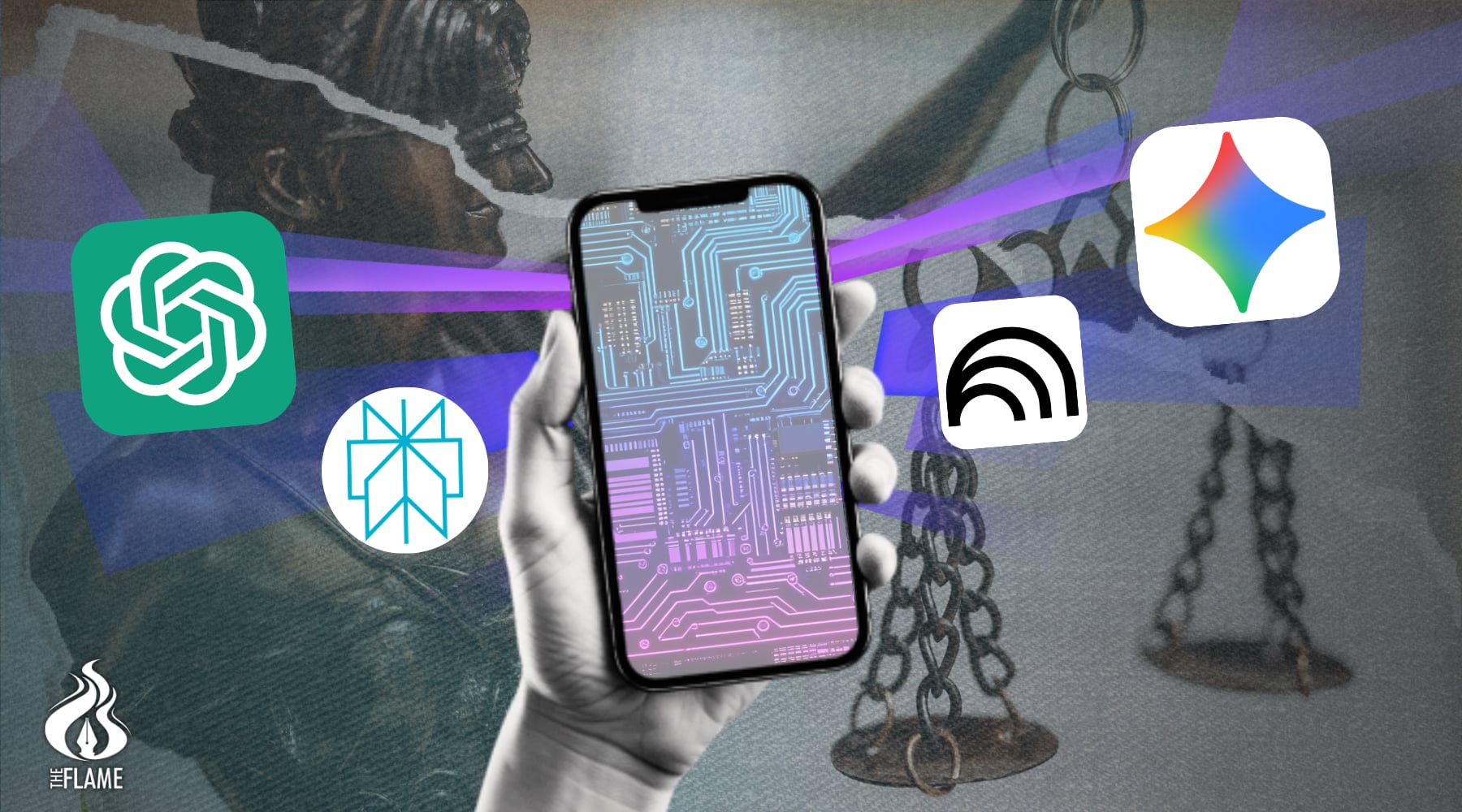
WHILE ARTIFICIAL intelligence (AI) eases schoolwork and legal tasks, an anti-cybercrime official warned Thomasians that relying on the technology without verification may put future law practitioners at risk of professional sanctions.
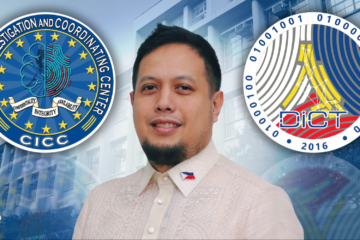
Cybercrime Investigation and Coordinating Center (CICC) executive director and Thomasian alumnus Renato Paraiso said AI should be treated as an aid instead of a substitute for diligence, analysis and judgment.
“If [we] constantly rely on AI and constantly rely on them to write our pleadings, the court might say, ‘You’re not fit to be a lawyer,” Paraiso said at a forum organized by the Department of Legal Management on Saturday, Feb. 14.
He emphasized that accountability ultimately rests on the person, not the technology, adding that the government does not regulate AI itself but its users.
“One thing is clear. It isn’t ChatGPT or any AI system that will be disbarred when the content you quoted is wrong… You are the ones who will be disbarred,” the official added.
Paraiso reminded students that their duty, as aspiring lawyers, is to ensure the accuracy of their arguments and citations.
Recalling his past experience with the technology, he warned of “AI hallucinations,” in which the system would make up cases when asked to cite past decisions.
“It isn’t enough that the answer comes from AI. You still need to check the law, study the citation, and make sure the jurisprudence is up to date,” he said.
Paraiso noted that even the Supreme Court has begun adjusting to AI’s growing presence in the judiciary.
In 2024, Senior Associate Justice Marvic Leonen announced that the high court would establish an ethical governance framework for the use of AI in law as part of its modernization efforts.
Paraiso said that pilot testing of AI technologies, including voice-to-text transcription software for court stenographers, has started in the Sandiganbayan and select second-level courts.
Department of Transportation undersecretary for legal affairs Rainier Yebra, also a Thomasian alumnus, echoed the call for responsible use of the technology.
“Smartphones did not make smarter people; they made smart people more capable. That’s the same thing AI is doing now,” Yebra said.
“As Legal Management students, you’re not expected to compete with AI. In fact, you’re expected to lead it… AI will continue to evolve, but it will always require human direction.”
Both Paraiso and Yebra graduated with a degree in Legal Management from the UST Faculty of Arts and Letters (AB) in 2000 and 2001, respectively.
Yebra placed first in the 2009 Bar examinations.
The forum titled “Role of AI and Legal Management in Nation Building: A Challenge Now and in the Future,” was held at the Thomas Aquinas Research Complex auditorium as part of the week-long celebration of the AB anniversary. F