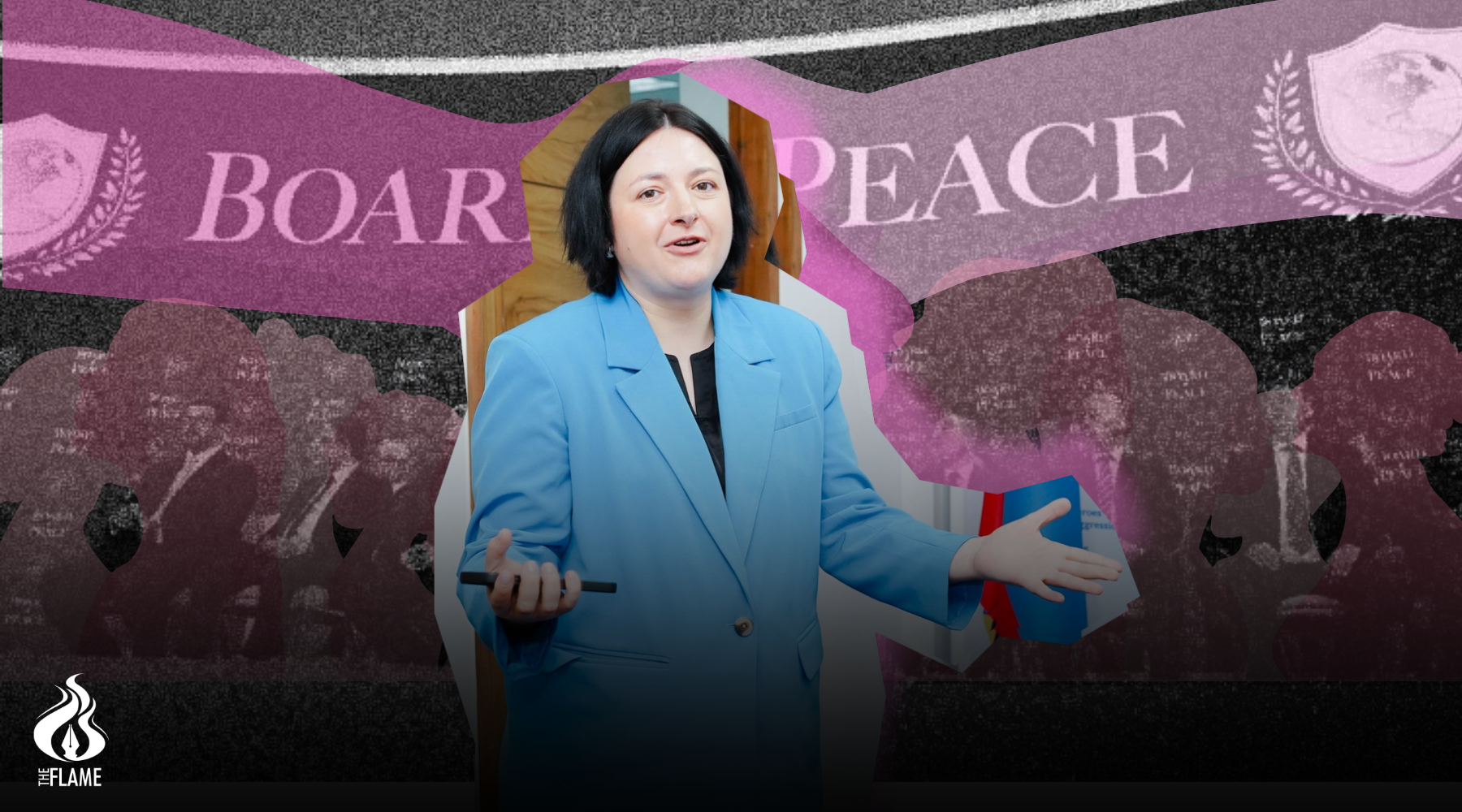
SOCIETY NEEDS more female leaders in peace negotiations because they have unique perspectives on inclusivity and sustainability during global crises, a Ukrainian diplomat said.
Citing the lack of female negotiators in the peace talks among Ukraine, Russia, the United States and other nations, Ukrainian ambassador to the Philippines Yuliia Fediv called for more inclusivity in male-dominated decision-making roles to help communities recover and rebuild faster.
“You will not see women sitting on that table. There are only men. That’s why I think we need more women to be involved into the peace negotiations and peace-building initiatives in order to make peace happen,” Fediv said during a women’s leadership forum on Saturday, March 7.
“When women sit at the table, whether in negotiation rooms, parliamentary committees or international forums, policies tend to be more durable, inclusive, and attuned to the needs of families, youth, and vulnerable communities,” she added.
According to Fediv, gender-responsive and women-initiated policies on safety, education and economic opportunities have been vital for Ukraine’s sustained peace and resilience over the years.
This shows that “leadership is most effective when it reflects the diverse fabric of society,” she added.
“Women contribute to peacebuilding in profound ways, mediating disputes at the community level, leading humanitarian coordination, advocating for children and families and shaping post-conflict recovery that sustains social cohesion,” the envoy said.
Fediv said social media has led people to the misconception that higher positions or influence in society is a prerequisite to amplify their advocacies.
“Sometimes we feel that our voices are not heard, that in order to be heard, we need to take the higher position in society, to be a statesman, a stateswoman, to be a diplomat. But actually, it’s a daily practice of citizenship,” she said.
“Through volunteering, studying public policy, participating in student governments, engaging with civil society, pursue your education with courage. Seek mentors within your peers, within your leadership of the departments, and also build networks.”
With the increasing number of emerging conflicts, Fediv said it is time to create “leadership pipelines” and “special scholarships” that create prospects for women leaders.
“To invest in women-led peace building initiatives at local and national levels, ensuring participation in ceasefire talks, humanitarian planning, and post-conflict recovery,” she said.
Philippine setting
Fediv highlighted the collaborations between the Ukrainian embassy in the Philippines and the Philippine Commission on Women (PCW) for gender equality projects.
She said panel discussions on policies with representatives from the Nordic countries, which are perceived as role models for equality, can be a vital step in challenging existing gender notions at the state, organizational and individual levels.
“We need this time to make it happen, and everything starts from the conversation like this today at the university, and then conversation is changed to policy, and then policy to the law, and then hopefully the mindset will be also changed,” she told The Flame.
Fediv added that it is not just the government that shapes policy-making, but also the media, the non-governmental sector, civilians and even businesses.
As gender-based misconduct persists in the country, she urged people, regardless of gender, to fight for equal rights and seek justice wherever they can.
“I think that women and men should be united and vocal using the existing tools, or go out into the streets, or use the social media. It depends on what your values and your principles are [telling] you, but not just be silent in this way, fight for your right, but through the legal means,” the envoy said.
The Philippines ranked 20th out of 148 countries in the World Economic Forum (WEF) Global Gender Gap Report in 2025, five notches higher than its placement the previous year. However, according to a report by the United Nations (UN) Women on March 4, no country has fully achieved gender equality.
“Maybe in the next generation we’ll live already in the equal society for 100 plus years, so it’s a long way to go. It’s not easy, but it’s doable,” Fediv said.
Fediv was the the winner of the 2021 Women in Arts Award, presented by UN Women Ukraine and the Ukrainian Institute, under the Women in Cultural Management category.
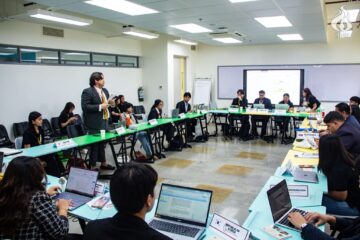
She was one of the speakers at the forum titled “Babaylan ng Modernong Lipunan: A Thomasian Women Leadership Forum,” held at the UST Blessed Pier Giorgio Frassati Auditorium by the UST UNESCO Club for SDG Week 2026.
Also present in the forum was the ambassador of Sweden to the Philippines, Anna Ferry. F