CATHOLICS SHOULD follow Christ with humility and simplicity in a society dominated by consumerism and materialism, the Archbishop of Manila said.
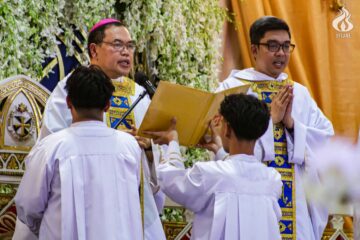
In his homily for the commemoration of the death of St. Francis de Assisi on Saturday, Oct. 3, Manila Archbishop Cardinal Jose Advincula said the founder of the Franciscan order chose to pursue virtue and died penniless to follow God despite being born rich.
“St. Francis reminds us of another kind of wealth, a wealth that cannot be bought. The wealth of a heart free enough to give, humble enough to serve, and empty enough to receive God,” Advincula said.
The prelate recalled Francis’ growth by marking the “deaths” he experienced in pursuit of higher being called to him by God.
He noted that Francis, who died in 1326, had the privilege to call death his “sister” after spending his whole life “dying in ambition, to privilege, to possessions, to control and ultimately to himself.”
Assisi’s first “death” was letting go of his desire to be admired by worldly standards, according to Advincula.
“Francis had to learn to let go of the identity that the world had given him in order to discover the identity that God was giving him. He died to the desire to be somebody in the eyes of the world so that he could become somebody before God,” he said.
The cardinal pointed out that during Francis’ pursuit of knighthood, he viewed the poor as pitiful and defined success through fortune. He then allowed his worth to be dictated by how God viewed his purpose.
After he experienced defeat and became a prisoner of war, Francis let go of his ambitions, changed his lifestyle, and empathized with the common folk.
“Perhaps this is one of the deaths that we too must undergo. We need to die to our need to be admired. We need to die to our need to always be right. We need to die to our vanity and desire to measure our worth by our position, possessions, and accomplishments,” Advincula added.
The saint’s second “death” manifested when he surrendered control over his own life to God, the prelate added.
Advincula said Francis had to learn that not everything can happen as one had first envisioned it.
“Through all this, Francis had to discern, listen, adapt, and obey, and not simply insist that everything remain exactly as he had first imagined it. Francis had to die, even to his own plans for God’s work. And perhaps this is one of the hardest deaths for us,” the prelate said.
The saint gathered a fraternal movement around him and became its leader in 1209. However, in the process of surrendering himself to God, he had to resign from the helm of his order and relinquish control over his own brainchild.
Advincula said Catholics should put their faith in God whenever they relinquish control. He added that poverty was central to Francis’ belief, not in the sense of having less but being free from the need to be in control.
“The life of (St. Francis of Assisi) shows that we become free, not when we possess everything, but when we no longer need to possess everything,” Advincula said.
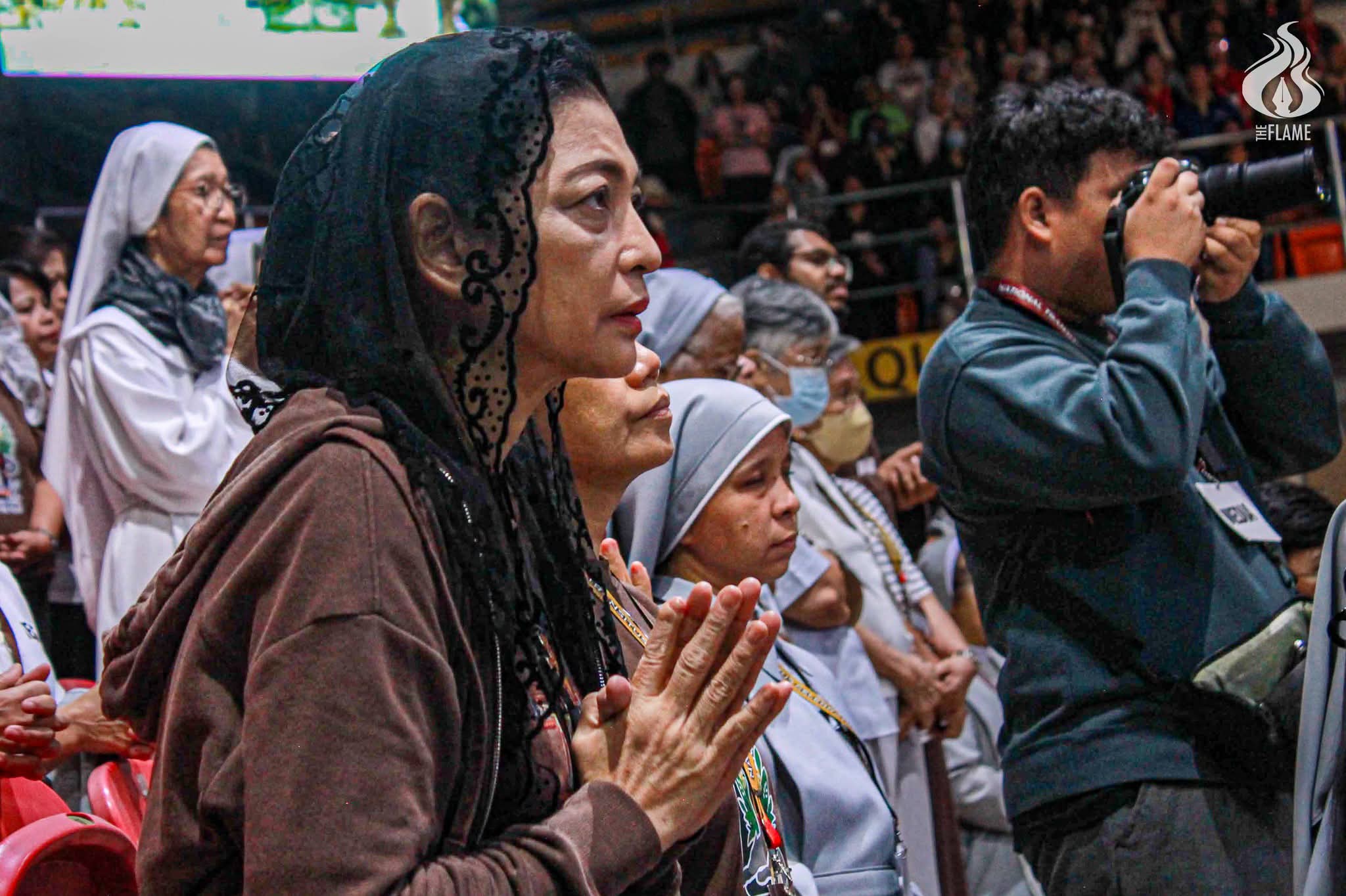
The Mass held at the UST Quadricentennial Pavilion commemorated the 800th anniversary of the death or transitus of St. Francis of Assisi. The event carried the theme “800 Years of the Easter of Saint Francis of Assisi: Sowing Peace, Healing Creation, and Embracing the Poor.”
Francis is the spiritual brother of St. Dominic de Guzman, the founder of the Order of Preachers. His feast day is celebrated every Oct. 4. F