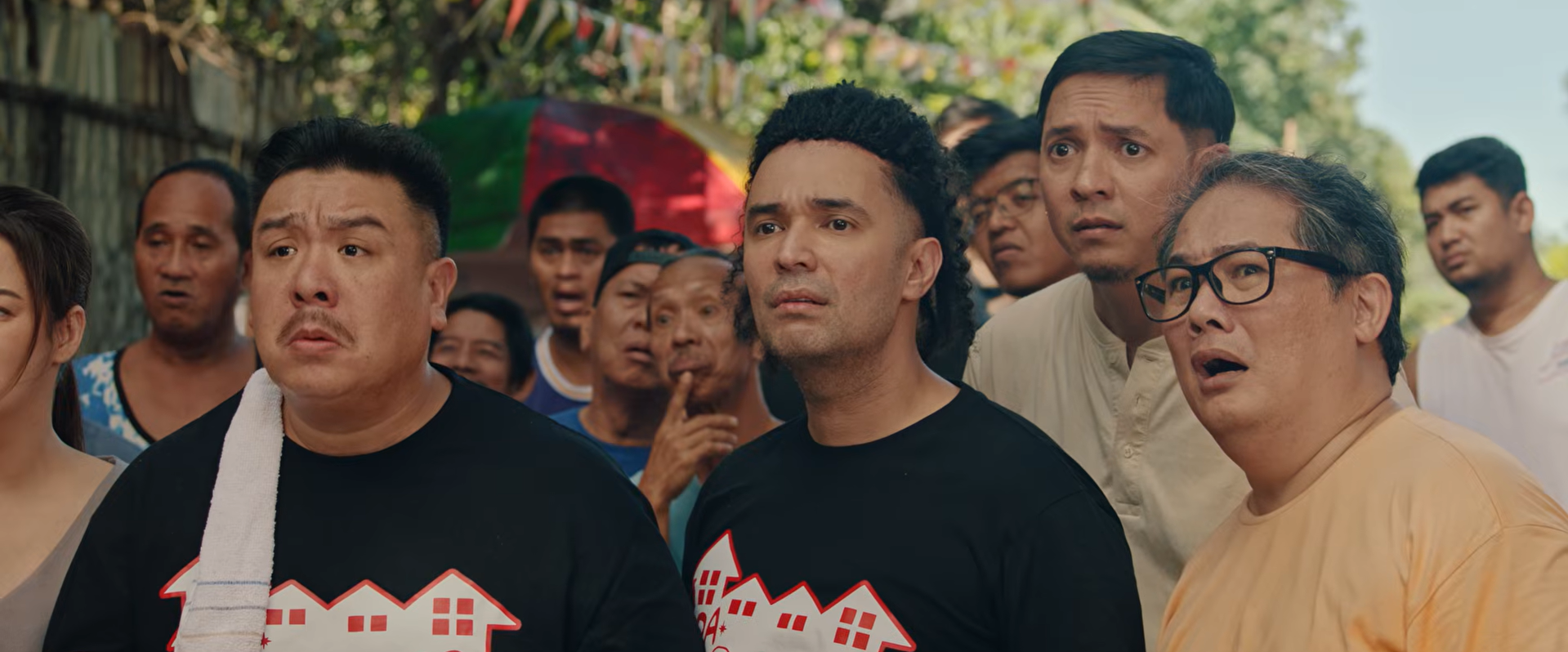
THE FANS of Team Riles go wild as their home team is about to pull an upset against the visiting squad composed of volleyball standouts.
The home team only needs one point to win the match and the crowd is hoping that the ball will land on the opponent’s court.
When it finally happens, the crowd roars in victory, but not for long. A sudden announcement makes the entire court fall silent: A beloved neighborhood darling is getting married and nobody knew that she was in a relationship.
Twenty-three years after its final run on television, the beloved series featuring the iconic Cosme family returns to the big screen for a legacy film sequel.
Directed by Boy2 Quizon, Home Along Da Riles: Da Reunion picks up after the original series’ last season, which was released in 2003. Kevin’s (Dolphy) only daughter, Bing (Claudine Baretto), returns from the United States to spend her vacation with her family and reveal her engagement with long-term boyfriend, Baby Boy (Pepe Herrera).
Surprised by the sudden news, her brothers find ways to sabotage her wedding through family antics, unwittingly turning their backs on a more pressing issue: the troubling state of their Tita Nanay, better known as Aling Azon (Nova Villa).
For an independent film, Home Along Da Riles: Da Reunion is an impressive project that proves how powerful nostalgia is at reviving pieces of media that could otherwise have faded out of existence. Although not perfect, the film successfully traced the franchise’s distant past and brought it to a new generation of audiences.
One of the aspects that big fans of the franchise will appreciate is the faithful recreation of the riles neighborhood. Moving beyond a small production set, the film is built along an actual railroad system and creates the feel of a lived-in community around the tracks.
The Cosmes are seen living in their original home, which still shakes whenever trains passed by. Some of the memorable places from the series also make a return, such as the late Mang Tomas’ sari-sari store and Kevin’s office, where Bill (Smokey Manaloto), his eldest son, now works.
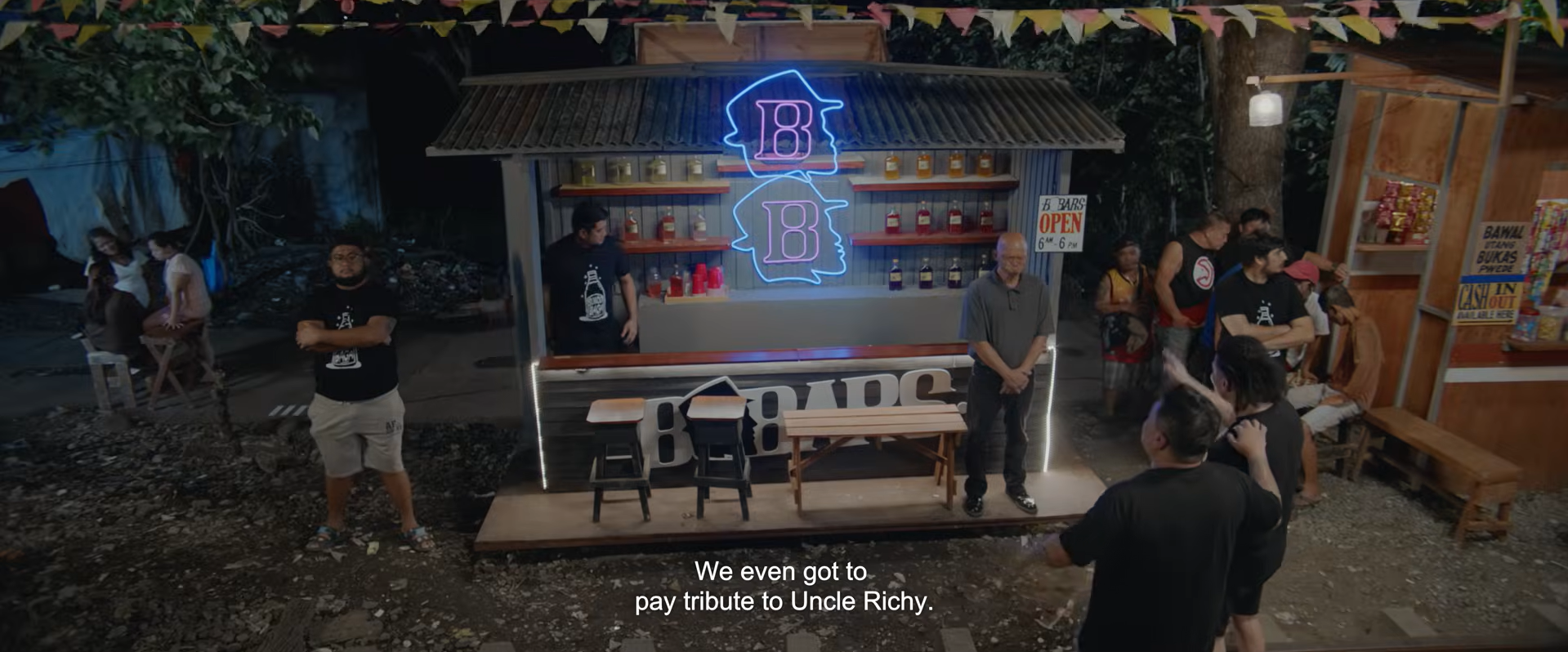
Beyond these familiar places, the film also did a great job of referencing the series. Like Kevin, Bill also finds a rival in the workplace, which serves as a direct parallel to Kevin and Steve’s (Bernardo Bernardo) rivalry. During the first few minutes, the film also recalled a frequent gag from the show in which Baldo’s (Vandolph Quizon) son, Baldolito (Ahmad Abukawaik), hid a hot dog under a mountain of rice, a nod to his father’s shenanigans with his siblings. It also paid tribute to the late comedy icon Babalu, who portrayed Kevin’s mischievous brother-in-law Richy, by putting an outline of his face in the logo of a liquor store.
The film’s effective humor also stems from its use of slapstick and physical comedy, reminiscent of the tactics employed in the series. It was a perfect way of honoring the late King of Comedy’s special touch on the show. Although some punch lines fell flat, the characters’ playful interactions and reactions made up for it.
While masterful at evoking nostalgia, the film’s overreliance on it compromised the potential for a meaningful plot. Although the film targeted its established fanbase, it could have developed the plot a bit further so that newer audiences could connect without needing to watch the original series.
In addition, the cameos from internet personalities such as Euleen “Yobab” Castro and Small Laude felt like a cheap shot at drawing younger audiences into the film. Their appearances felt like a quick salvage for the plot that was going into too many directions at once.
Some members of the audience might even get a sense of déjà vu while watching, as the film took on a strangely familiar plotline: four brothers who tried to prevent their sister’s marriage, a sketchy massage parlor and a tearful confrontation among siblings who kept too many secrets from each other. Although they may appear to be mere coincidences, Home Along Da Riles: Da Reunion began to feel like a gender-bent remake of the famous Filipino film Four Sisters and a Wedding (2013).
Instead of copying a well-known plot, the film could have told a more distinct story, one that better resonates with the characters’ situations. With the series providing an established world, writers Rhandy and Flo Reyes could have revisited plots the show dropped or expanded Baby Boy’s character by giving him a deeper backstory.
Although he delivered in terms of comedic relief, Baby Boy’s character could have played a much deeper role in the film, considering that he was introduced as someone who grew up rich. This aspect would have made a good contrast with the opposite lifestyle that Bing was brought up in. The writers could have shown how Baby Boy adjusted and interacted with a life he has never known before, rather than inserting him purely for entertainment.
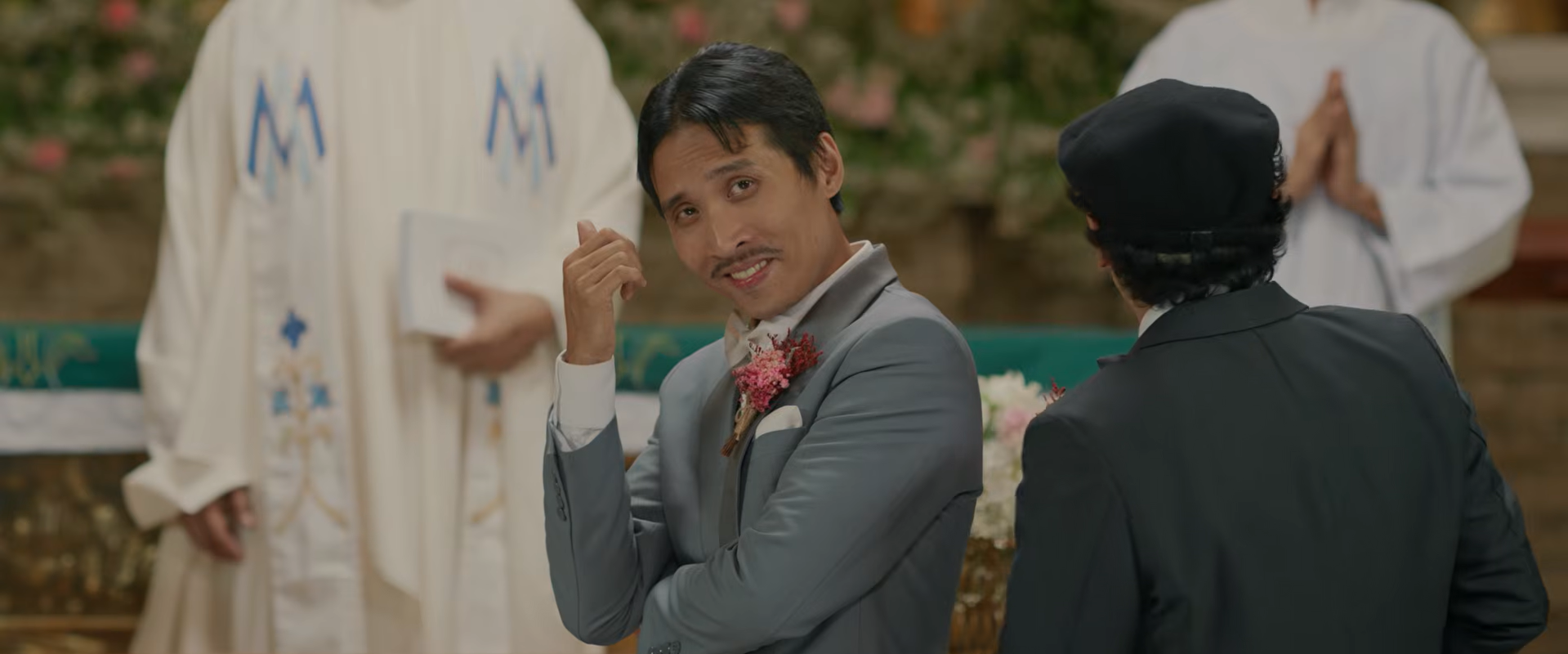
Nevertheless, Herrera’s portrayal of Baby Boy brought a lighthearted and hilarious touch to the screen. His impression of the stereotypical alta was the right amount of comical, delivering his lines with an exaggerated conyo tone and tiny mannerisms that added flair to his character.
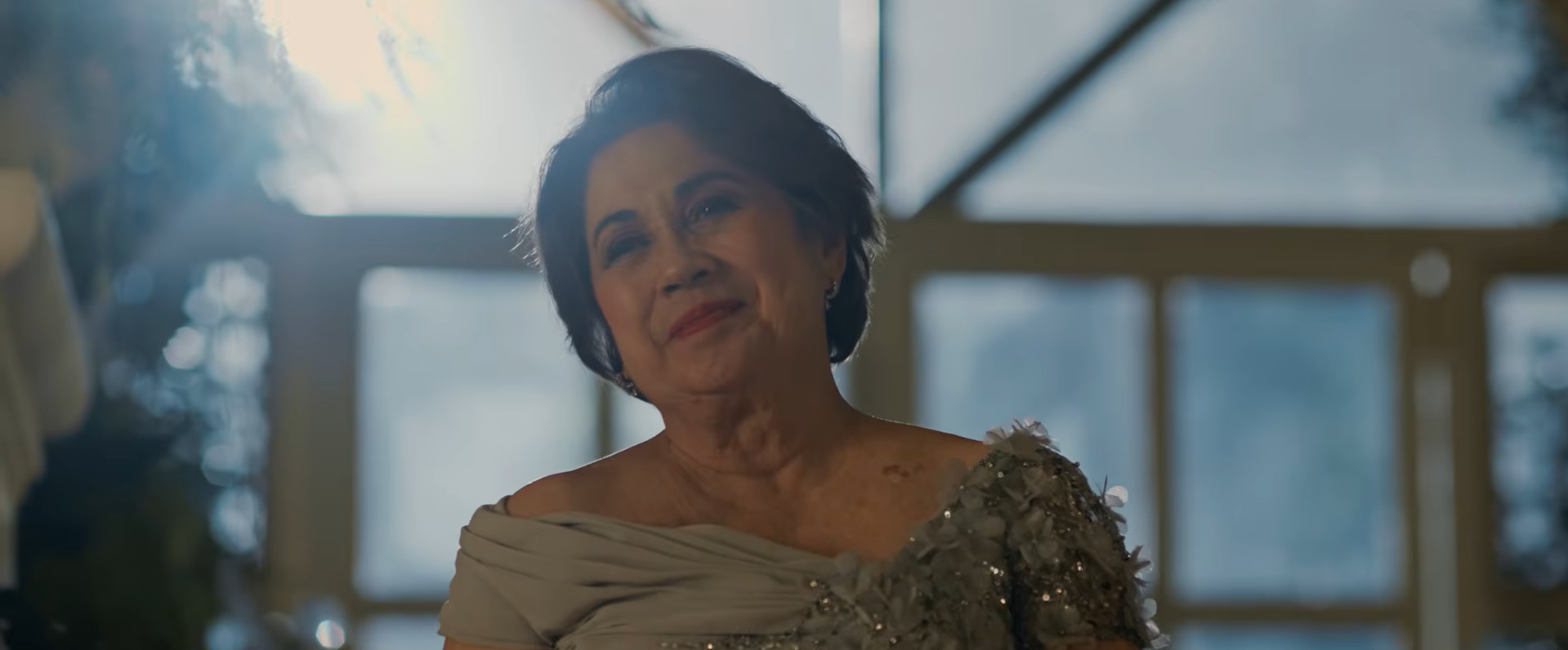
Despite the film being labeled a comedy, Villa’s exceptional performance balanced laughter with heartfelt drama. As the widow of the Cosme household, Villa effectively conveys Aling Azon’s grief and longing for her love, Kevin. When the characters gathered for group scenes, Villa drew attention to herself effortlessly, often carrying the family’s emotional weight.
Even with its minor issues, Quizon’s effort at bringing back the iconic franchise is an undeniable success. Home Along Da Riles: Da Reunion urges its audiences to look back on their past, for in the wreckage of life and its many uncertainties, it will be the one thing that moves us forward. F