FEELINGS ARE bound to resurface when maintaining a friendship with a former lover. But staying in a friend group composed of former lovers? It is a guaranteed chaos—one that the four women in Open Endings choose everyday.
Love is a common theme in cinema, but Open Endings finds its new truth through its exploration of heartbreak and healing in its more complex shape within the queer community.
Directed by UST Literature alumnus Nigel Santos for the 21st Cinemalaya Independent Film Festival, Open Endings follows four best friends and their lives as women in early adulthood while grappling with the complex and shattering realities of love and life.
Charlie (Janella Salvador) opens the film with a rundown of the friend group and its history to her partner. She reveals that all of them, at some point, have had romantic relationships with one another but have remained friends despite their past.
Initially eager to introduce the group to her partner, her eagerness ends in heartbreak due to her partner’s discomfort with knowing that Charlie has been romantically involved with her friends.
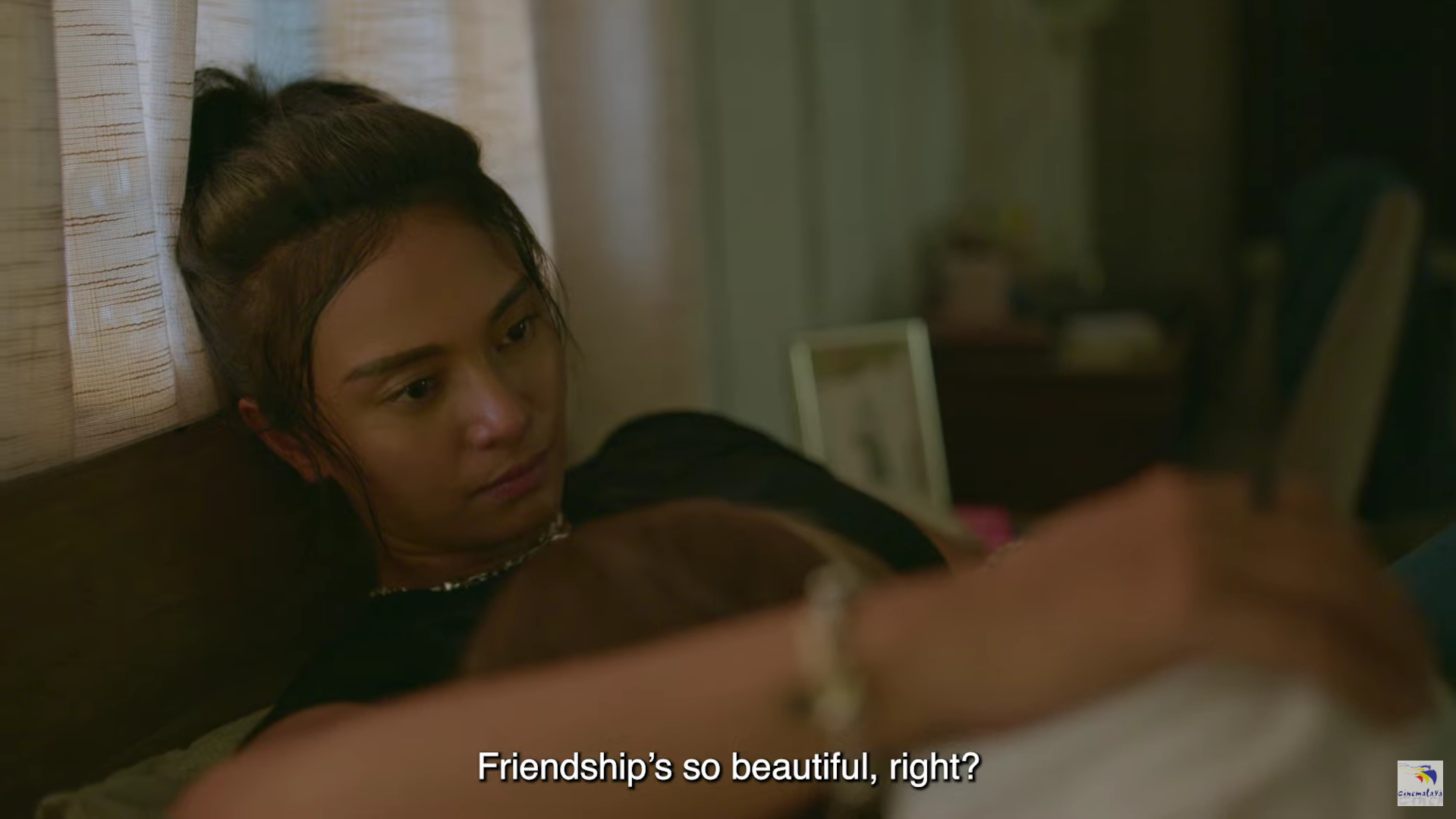
From its very first scenes, Open Endings wastes no time in establishing its central themes; a realistic portrayal of the struggles within queer relationships and the fundamental question of whether it is possible to maintain a friendship with a former lover.
Pivoting from Charlie’s heartbreak, the story then introduces the rest of the group through a brunch meeting at Hannah’s (Jasmine Curtis-Smith) home. Through this scene, the film sheds more light on the group’s dynamics and puts their personalities in play.
Kit (Klea Pineda) is the most adventurous among the group, seeking love and connections across the metro. Despite her many flings, she finds herself in a moral dilemma over her current relationship and the sudden feelings she develops for a friend. Her illicit affair showed the tensions of queer desire, which is often relegated to the shadows and forced into unstable situations shrouded in secrecy.
The group’s lingering history is most powerfully embodied by Mihan (Leanne Mamonong), who is still carrying the weight of her past relationship with Hannah. She served as a reflection of the internal conflict of knowing what is wrong, yet not having enough courage to overcome it. Instead of facing her problems, she retreats and internalizes her struggles until she is forced to take action and solve them.
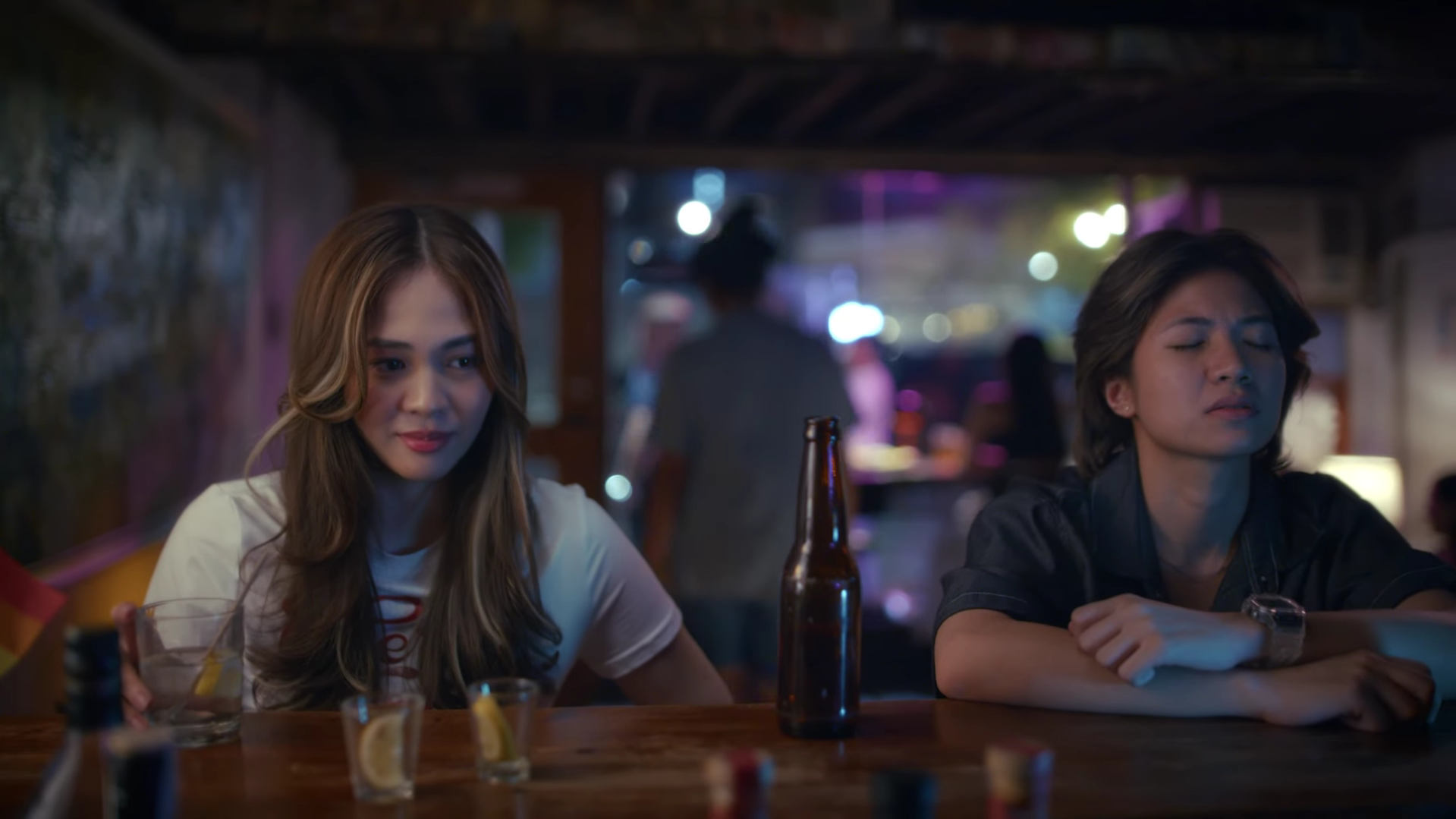
Out of the group, Mihan carries the most devastating conflict when Hannah makes a life-altering decision that threatens to invalidate their entire history together, forcing Mihan to confront the regret of not trying harder to hold on.
While the film grounded itself in familiar struggles, its true contribution lies in how it framed love. Open Endings successfully positioned the messy, tangled web of these four women’s lives as universal, but through a queer lens.
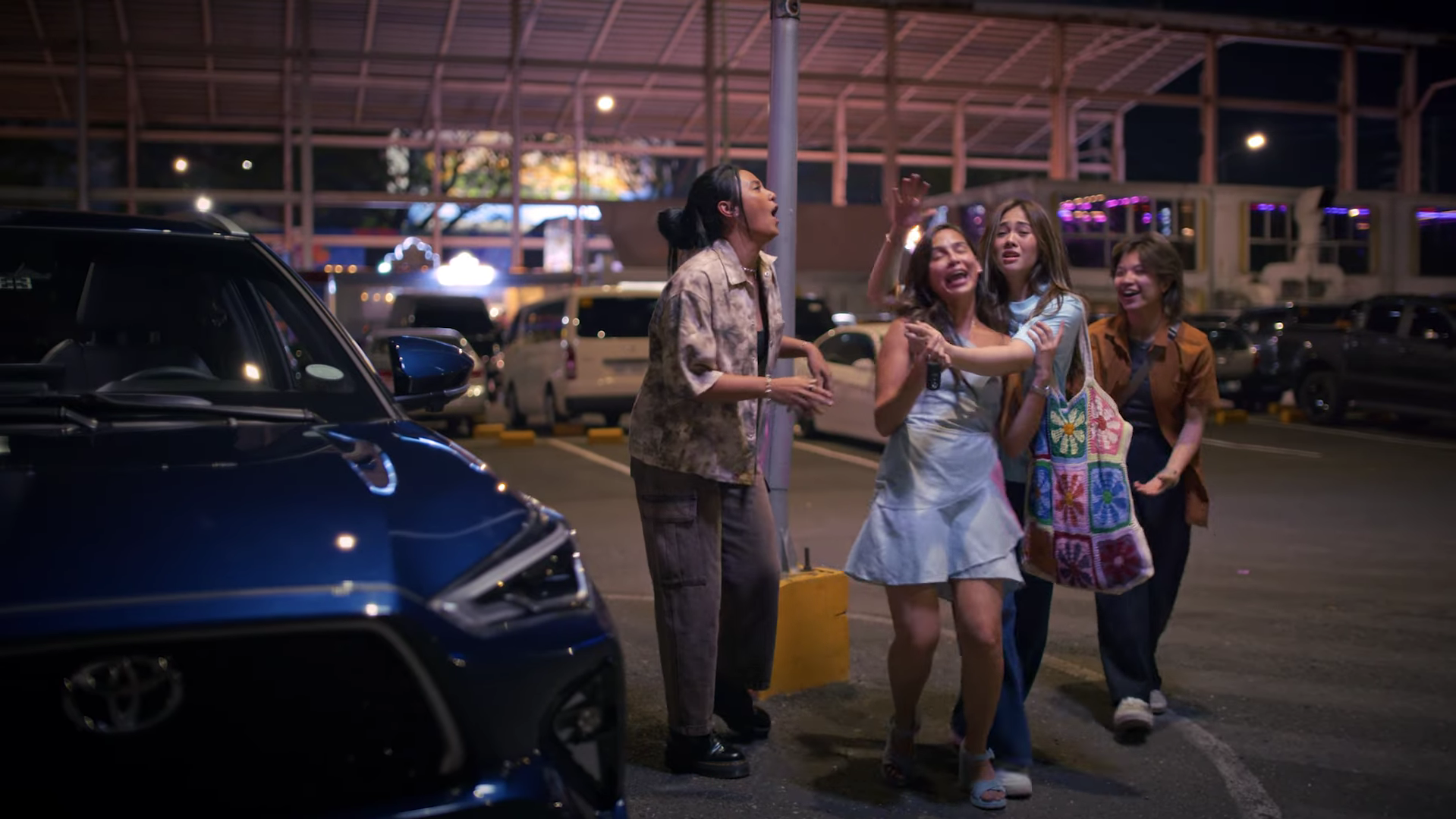
In Open Endings, the four women take great pride in their shared connection which functions as their safe space. However, it is the same bond that becomes a warzone, as their close proximity makes it difficult for them to keep their feelings at bay.
The intimate knowledge of one another becomes a double-edged sword when they start becoming tempted with the idea of choosing a known, comfortable love over the uncertainties being offered outside their friend group.
For her debut film, Leanne Mamonong delivered a remarkable performance as Mihan, considering that she joined a relatively experienced group of actresses. Mamonong expertly navigated Mihan’s quiet devastation. Her restrained physicality and subtlety created room for a pain that was palpable even without dialogue.
Pineda’s portrayal of Kit was a perfect mediator for the group’s dynamic, especially when paired with Janella Salvador’s more chaotic and fiery energy. Pineda achieved the balance between humor and drama, effortlessly delivering witty one-liners in one scene and emotional performances in the next.
Writer Keavy Eunice Vicente infused the right amount of wit and humor to the dialogue of the characters that effectively created the illusion that they are real people–ones that can be encountered in daily life. Infused with authenticity, its writing made no room for any dull moments.
The cinematography also offered the illusion of a deeper insight between the four women through the handheld camera effect used throughout the film. Rather than feeling like a distant bystander, the audience are allowed to feel as if they are part of the friend group, partaking in the messy events that unfold.
However, the natural flow of the film was occasionally interrupted by its editing. At times, there were abrupt cuts to past events without clear reasoning, which may disorient the viewer and disrupt the established sequence of events.
The authenticity and raw nature of the movie can also be attributed to songs like thesunmanager’s (April Hernandez) disposable and 100 miles, offering the right amount of sentimentality to amplify the characters’ experiences and emotions.
Instead of queerness being an added plot point, it was an already existing factor within the universe of the film. It was less about introducing a new narrative and more about validating the profound reality of sapphic love.
Rather than being portrayed as a temporary feeling that needs further explanation or justification, queer desire is presented as a part of everyday life. Open Endings invites audiences to see queerness beyond a spectacle and a struggle, but as a lived experience that is evolving, real and open-ended. F