MEMBERS OF the queer community are often at the receiving end of scrutiny and abuse. They find comfort in the company of their fellows, who experience the same things.
But sometimes, these hardships toughen them—so much even that they end up superseding basic human decency just to survive. When a hand longing for gentleness accidentally clasps with calloused ones, can it stand the grip?
Inspired by a real kidnapping syndicate of the same name which involved members extorting foreigners to fund their sex reassignment surgeries, Warla was director Kevin Alambra’s entry to the 21st Cinemalaya Film Festival. The film takes after these events as it opens with Kitkat (Lance Reblando) running away from family, refusing to submit to their abuse and disregard for sexual identity.
Kitkat then finds solace with Joice (Jervi Wrightson), who leads the way to a safehouse occupied by fellow transwomen conducting kidnap-for-ransom operations to fund their gender reassignment surgeries. Carrying principles contrary to those of most in the group, Kitkat struggles with discomfort and conflicts with existing members of the gang.

There was a diverse array of characters showing the perennial struggles of the transgender community. Joice, the leader of the group, was disowned yet expected to give doleouts. Meanwhile, Luningning (Valeria Ortega) struggles with feelings of inadequacy and self-pity from a recently concluded relationship with boyfriend Lance (Rocky Abayen). Barbie Ann (Serena Magiliw) was left behind by a partner and faces a complicated future of raising a son alone. All of these takes place as the newly estranged Kitkat struggles to come to terms with the values of a newfound group.
The exposition of these problems show an intent to familiarize the audience with the queer struggle. However, while the problems pertained to were common within the community, these were not integrated harmoniously with the main conflict of the story.
The film digressed, delving into the lives of the other major characters. But devoid of a cohesive storyline, the depiction felt like an enumeration. Additionally, it was difficult to pinpoint the main point of the story, as the other conflicts presented could easily overpower it.
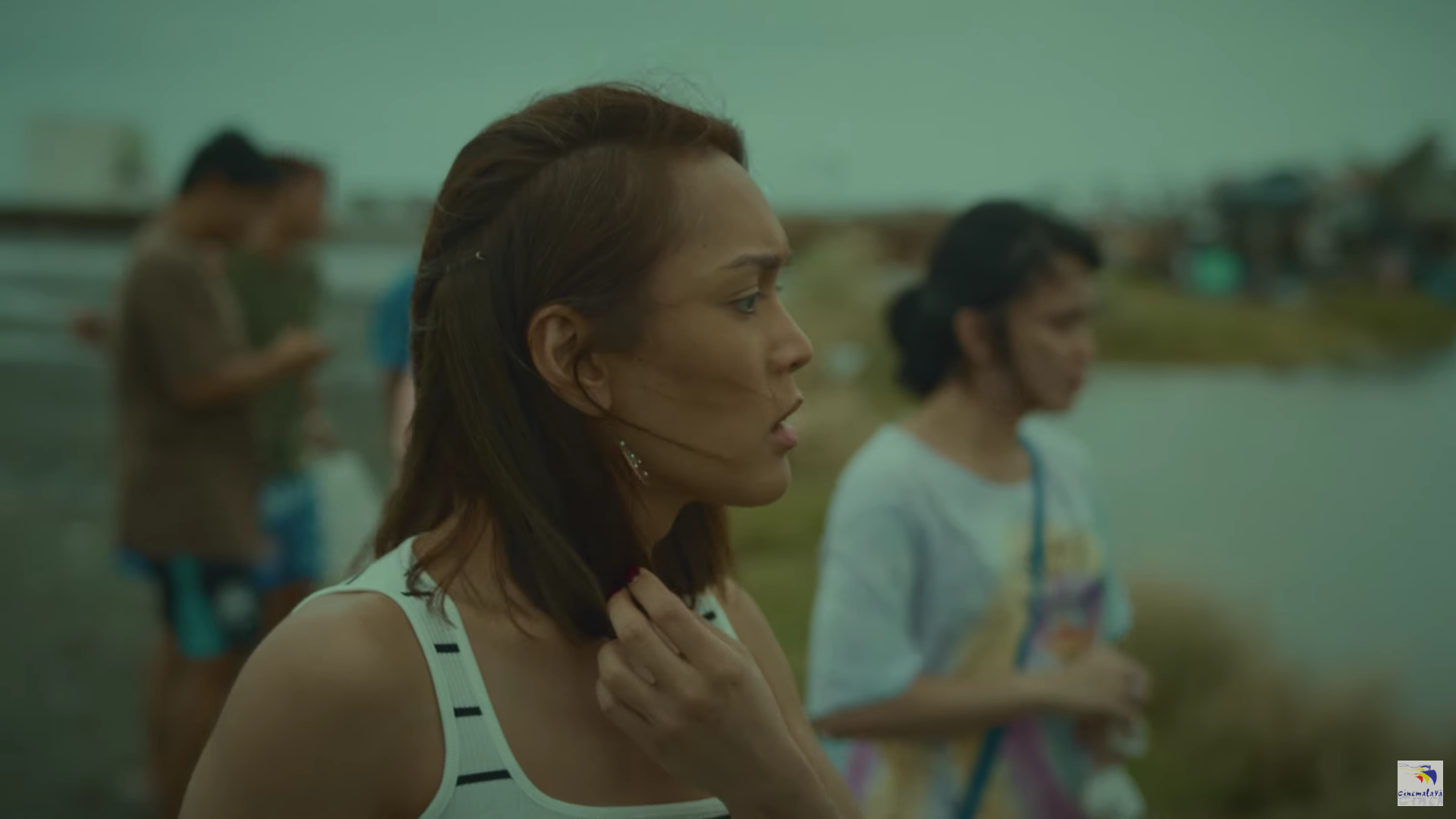
Still, Warla has an admirable attempt at representing the community and striving to show the different lived experiences of transwomen. Joice embodied the quintessential elder queer: armed with wisdom yet grounded by compassion, while Luningning simply longed for reciprocation. Barbie Ann represented queer parents who work to provide for their children but face stigma in raising them.
Finally, Kitkat is a portrait of a transgender who does not seek gender-affirming surgery. This showed the internal clashes within the community over the way they manifest gender identities; some seek physical changes, while others believe that identity remains steadfast without having to transition. These clashes served as a discussion opener by challenging popular notions of what a transwoman is expected to be, thereby shedding light on the complexity of the sector.
One of the film’s best aspects was the balance between dialogue and silence. The dialogues were not lengthy, but were complemented with the actors’ body language, generating curiosity. In the absence of words, silence filled in, allowing the audience to soak in the emotions and hypothesize on the characters’ thoughts.
The film’s casting is a milestone for the queer community, as it is the first to feature an all-transgender main cast, and it paid off as the actors showed remarkable prowess in playing their roles.
Reblando’s acting is stirring, evoking emotions that felt raw and contagious. Wrightson lived up to the character, exuding calm and fortitude with little words and subtle expressions. Magiliw’s performance stood out through the rage of Barbie Ann, whose anger seeped through even the subtle act of smoking a cigarette.
The film featured subtitles as the conversations were heavily sprinkled with swardspeak. This evoked intentionality in the filmmakers’ attempt to make its audience understand the dialogues while making a statement about the exclusivity and dynamism of the language of the community.

Its graphics were clear and crisp. However, the abruptness of the transitions seemed unfitting as the events connected are emotional and touchy. The lighting provided a vivid and detailed view of the events, but alternating darker hues for the emotional scenes could have contributed to piquing the emotions of the audience further.
For a demographic deemed unrepresented and misrepresented, Warla provided an insight into the intricacies of transgenders’ lives. It showed how social forces affect the outlook and disposition of people, and how driven they can be in asserting their identity, even if it means turning against morality. The crafting of the story is in need of an overhaul, but it is a step towards a more nuanced representation of a rather complex sector. F