
PRESIDENT FERDINAND Marcos, Jr. delivered his fourth State of the Nation Address (SONA) on July 28, a speech that zeroed in on issues affecting ordinary Filipinos, rather than on macro-level policies.
As Marcos enters the second half of his presidency, The Flame enumerates the promises and goals he laid out in his SONA last year to assess which have been achieved and which remain unfulfilled.
1. Infrastructure

The Build Better More (BBM) project of the Marcos administration continued to strive to improve the country’s infrastructure by expediting processes.
“As we enter the mid-term, our infrastructure development remains sustained, strategic, and on schedule,” the President said during his third SONA.
In April, the Marcos administration approved additional infrastructure flagship projects, bringing the total number of accumulated projects to 207, 74 of which were greenlighted by the previous administration.
This also raised the government’s budget for 186 projects to $178 billion from P9.6 trillion previously.
Aimed at addressing the country’s inadequate infrastructure projects, the BBM program is intended to help the government attain its goal to turn the Philippines into an upper middle-income economic target.
Seven out of 207
Only seven of the total projects have been completed since the BBM program was implemented on March 9, 2023.
Three infrastructure projects are for physical connectivity, another three are flood-related while the remaining one is for health.
The 11.6 km Samar Pacific Coastal Road Project was the first to be completed under the program two years ago, followed by the Panguil Bay Bridge in Lanao del Norte, inaugurated last September 2024 and the 22.46 km Expanded Plaridel Bypass last October, which took nine years to finish.
Three flood control projects were also completed in 2024, namely the Flood Risk Improvement and Management Project for Cagayan de Oro River, the Integrated Disaster Risk Reduction and Climate Change Adaptation Measures in the low-lying areas of Pampanga Bay Project and the Pasig-Marikina River Channel Improvement Project Phase V.
Meanwhile, the only health-related infrastructure under the program completed in June last year was the Philippines COVID-19 Emergency Response Project.
Data from the Department of Economy, Planning, and Development showed 74 projects are ongoing, 34 are approved for implementation, nine are for government approval, 41 are under project preparation and 42 are for pre-project preparation.
This year, the administration is gunning for the completion of 13 projects, the agency said.
Railway delays, ‘ghost projects’
While Marcos had said that the country is experiencing a “railway renaissance,” several railway projects remain stalled due to right-of-way issues.
The North-South Commuter Railway, a mega railway project that connects provinces in Tarlac to Laguna, was initially expected to be completed in 2027, but civil works problems may delay the project for four years, according to Department of Transportation Secretary Vince Dizon.
The 33-kilometer Metro Manila Subway that connects Valenzuela and Parañaque was also delayed due to the pandemic, land acquisition and right-of-way issues. According to Marcos, the target date for inauguration is 2028, but Dizon said it may take place in 2032.
In his fourth SONA, Marcos also blamed substandard and ghost projects for the impact of recent weather disturbances. These projects were used by some officials to pocket flood control funds, he said.
The list of all flood control projects in the last three years as well as their status will be made available to the public through the Regional Project Monitoring Committee, the President added.
2. Education
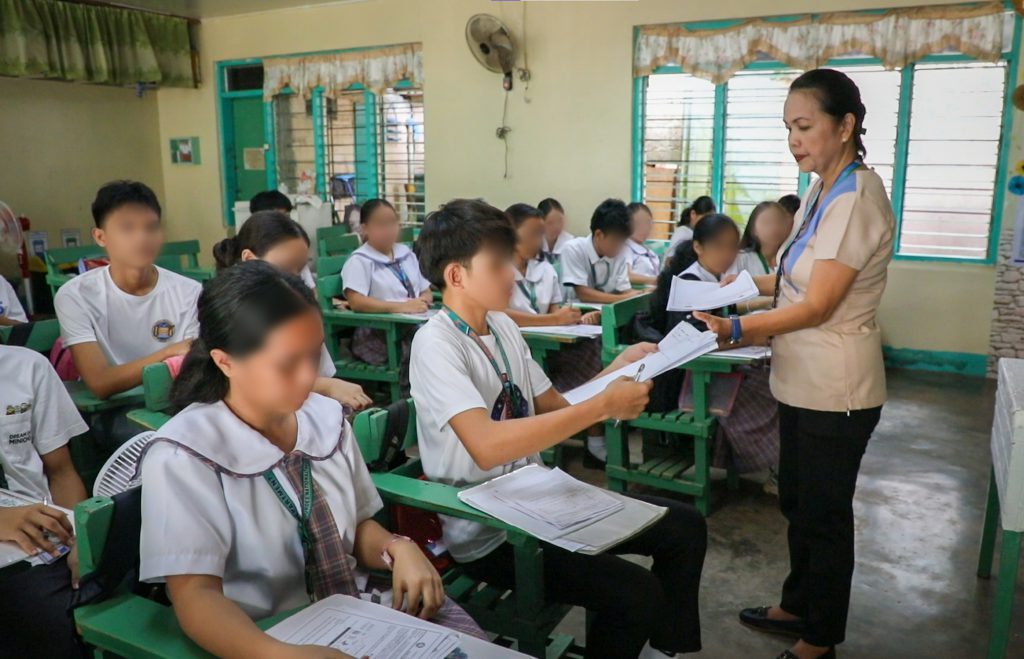
Learning recovery has been a priority of the Marcos administration in the education sector, a point that he raised in his second and third SONA.
Recovery program
Last year, the President said the administration would proceed with the National Learning Recovery Program (NLRP) “without the slightest disruption, especially in basic education.”
Several revamps came after the Second Congressional Commission on Education (EDCOM 2), the body that conducts comprehensive assessments of existing education programs, described the NLRP as flawed and needing “massive reforms.”
The program, which was designed to address the low performance of students in global and national assessments and to bridge students’ learning gaps exacerbated by the pandemic, was initially adopted by the education department under then secretary and Vice President Sara Duterte.
Included in the NLRP is the implementation of the MATATAG curriculum, which features a decongested curriculum focused on foundational skills, peace education and cognitive skills that are “at par with international standards.” The MATATAG curriculum was greenlighted in the academic year 2024-2025 for Kindergarten, grades 1, 4 and 7. However, several schools have yet to receive their textbooks halfway through the implementation of the first phase of the program.
“Several challenges have been identified, including inadequate time for textbook development, high participation costs for publishers, and pricing issues related to paper quality and production timelines,” EDCOM 2 said in its report.
According to the agency, only 35 out of 90 textbooks have been fully delivered as of January this year.
Meanwhile, two education measures were signed into law by the President in 2024 and are now taking effect for pilot implementation, namely the Academic Recovery and Accessible Learning (ARAL) Act and the Kabalikat sa Pagtuturo Act.
Revised SHS curriculum
The revised senior high school curriculum is set to roll out in 841 pilot schools in the country for the academic year 2025-2026 under the ARAL law. It reorganized the initial 15 core subjects into five per semester.
The new curriculum offers students electives from various subject clusters according to their interests, in contrast with the previous system that only separated them into specific tracks.
The new subjects are Effective Communication (Mabisang Komunikasyon), Life Skills, General Mathematics, General Science and Pag-aaral ng Kasaysayan at Lipunang Pilipino.
Still, several demands followed the proposed changes in the curriculum with various education groups, such as the Council of Teachers and Staff of Colleges and Universities of the Philippines, calling on the Department of Education (DepEd) and the Commission on Higher Education (CHED) to pause the implementation due to supposed risks of job displacement for teachers.
Tax-free teaching allowance
The Kabalikat sa Pagtuturo Act raised the tax-free teaching allowance for public school teachers from P5,000 per teacher for the academic year 2024-2025 to P10,000 for the following years.
According to a Facebook post by DepEd Secretary Sonny Angara, the government began distributing the cash aid last June 18 to Caraga in Mindanao. The aid, which seeks to grant monetary allowance for teaching expenses, will be given to teachers in all public schools in the country.
Digitalization
Marcos’ promise to implement “educational reform through technology” also raised the need for all schools and classrooms to have standard features of digitalization and solar-powered electricity.
The President cited the need for a private-public partnership approach for big-ticket projects.
The DepEd and the Digital Bayanihan Project of the Department of Information and Communications Technology have provided internet access to 15 schools in rural areas with less than 100 students.
DepEd is also set to distribute P1.913 billion worth of smart TVs, laptops, and other digital learning devices in isolated public schools across 16 regions by the second half of 2025.
However, about 1,500 public schools remain without electricity as of January this year, particularly in Cotabato, Palawan, Sulu, Zamboanga del Sur and Negros Oriental, according to Angara.
No AI policy yet
Marcos also cited the use of artificial intelligence (AI) as one of his priorities, saying the government would build essential infrastructures “to support ethical development” of the technology.
Efforts directed at empowering AI technologies in Philippine education could be seen in DepEd’s newly-launched Education Center for AI Research (E-CAIR) in February, which aims to drive innovation in education through AI-powered solutions.
However, the administration has yet to produce a national policy for ethical AI use.
In March, the National Innovation Council approved the formation of a technical working group that would determine the capabilities and future impact of AI technologies, an initiative aimed at guiding the government’s formulation of AI policies.
3. Social services
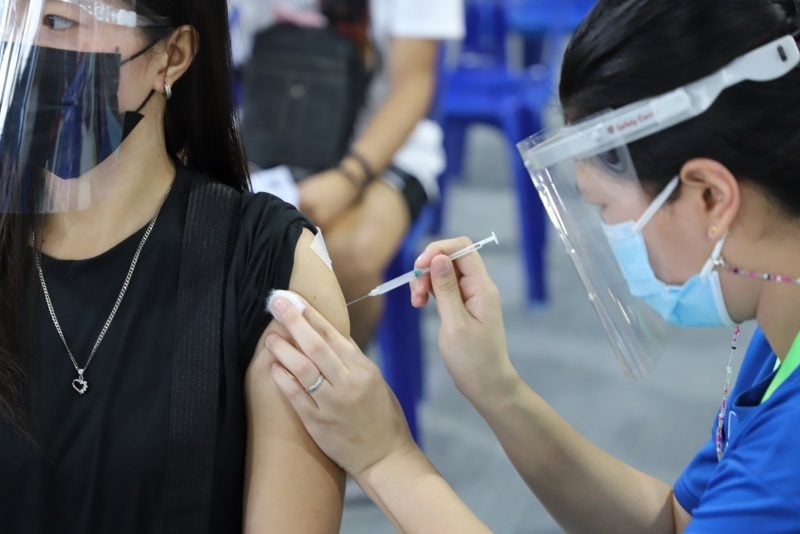
Three years into his presidency, Marcos has made numerous promises in addressing healthcare problems and hunger. Several programs have been in line since then, although not without a fair share of worries and lapses due to unused funds and the Philippine Health Insurance Corp.’s (PhilHealth) zero subsidy.
More health benefits, no subsidy
Aside from PhilHealth’s adjusted coverage for diseases such as acute stroke, pneumonia and breast cancer, the President promised to include chemotherapy for lung, liver, ovarian and prostate cancers before the end of 2024 — an adjustment carried out in February this year.
For cancers not covered by PhilHealth benefits, the President announced in his latest SONA that P1.7 billion would be allocated for medicines along with dialysis sessions which will now be provided by the state-run insurer for free.
However, PhilHealth received no additional government subsidies for the 2025 national budget due to over P600 billion in its reserve fund. This triggered concerns among private hospital groups that warned of possible additional unpaid services.
In January, the Private Hospitals Association of the Philippines Inc. (PHAPI) said PhilHealth still owes its members P4 billion to P6 billion for services given from 2020 to 2023, adding that the expanded package of the agency, on top of its zero government subsidy, might lead to more unpaid services for medical personnel.
Expanded reach of medical services
One of the highlights of Marcos’ third SONA was the initiative to provide better access to health services through the construction of new centers, including facilities focused on specific diseases.
A total of 51 Bagong Urgent Care and Ambulatory Service (BUCAS) centers affiliated with the Department of Health are in operation since its first facility opened in Pampanga in March 2024. The centers prioritize patients who do not need admission as a way of decongesting public hospitals.
Twenty-six of the established BUCAS centers are in Luzon, 8 in Visayas and 17 in Mindanao, a feat that Marcos said came alongside the government’s achievement of having at least one doctor in every town.
Super Health Centers were also constructed to provide community-level care. As of July, over 600 Super Health Centers have been opened since the program’s implementation in 2022.
The President also launched in 2023 the University of the Philippines – Philippine General Hospital (UP-PGH) Cancer Center, the very first public-private partnership program to be approved under his administration. The center, along with the Philippine Cancer Center, is expected to service over 400,000 Filipinos suffering from cancer.
The UP-PGH Cancer Center project, which underwent revisions on its parameters and terms of conditions, has been approved by the economic development department.
The hospital will contain 300 beds, half of which will be dedicated by UP-PGH to charity patients, while the other half will be provided to private patients by the chosen partner. The Philippine Cancer Center, on the other hand, is still constructing its 20-story building.
Food security
Marcos promised to expand his flagship program Walang Gutom 2027 from its pilot of 2,300 households to 300,000 families by the end of 2024.
The administration achieved the goal, which is part of its target to serve over one million families by 2027.
The Food Strategic Transfer and Alternative Measures Program (STAMP) is an initiative under Walang Gutom that aims to provide electronic benefit transfer cards containing P3,000 in credit to be used in the purchase of specific food products.
After reaching its target last year, the Department of Social Welfare and Development (DSWD) said it plans to extend help to another 300,00 families in 2025, with another 150,000 households targeted by 2026.
In April, the government scaled up Walang Gutom through the Reducing Food Insecurity and Undernutrition with Electronic Vouchers (REFUEL) program, a P74.6 billion initiative targeting 750,0000 food-insecure households from 2025 to 2028.
Unused funds, lapses
The success and continuation of the DepEd’s School-Based Feeding Program was also tackled during the SONA, with Marcos citing a positive impact on the physical and mental well-being of half of its beneficiaries.
However, in September of the previous year, the Commission on Audit (COA) flagged numerous lapses in the program, including issues in packaging and expiration as well as some promised food items not being delivered. Budgets allocated for the Sultan Kudarat and Bulacan School Division Offices were also underutilized, adding up to over P8.7 million in unused funds. These funds, according to COA, were reallocated to feed all learners, prioritizing the lowest grade levels.
In July this year, the administration said kindergarteners would be included in the program, eyeing over 3.4 million students to be fed within a 120-day period. An additional P1 billion was allocated for the program’s continued implementation next year, according to Marcos.
Mothers and pregnant beneficiaries of the Pantawid Pamilyang Pilipino Program (4Ps) were also promised a new subsidy by 2025, in which additional financial aid would be provided to ensure the nutrition of their children from 0-2 years old, as well as their check-ups and vaccinations.
The DSWD had released the first set of First 1000 Days of Life cash grants to select beneficiaries at its main office. Over 68,000 mothers will be receiving P350 grants monthly as part of the program’s pilot.
4. Economy
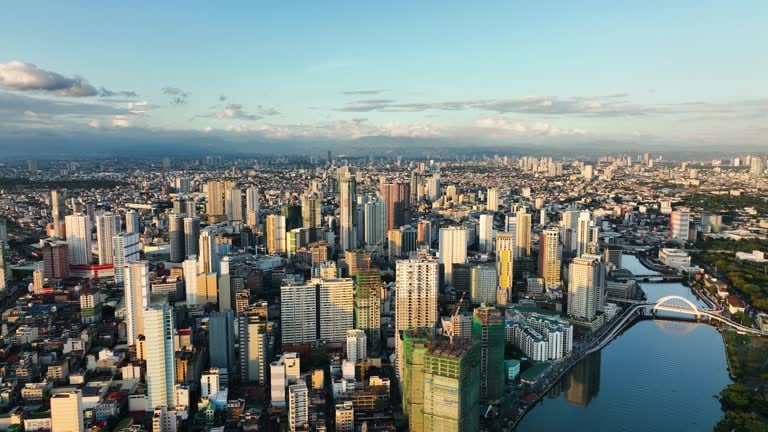
Marcos’ third SONA also highlighted a drop in the country’s poverty rate to 15.5% in 2024 from 18% in 2021. The figure, he said, is much lower than the pre-pandemic’s 16.7% in 2018.
The achievement comes with a vow of further uplifting the country’s economy through investment-led growth.
Green lanes
The President vowed to create programs that would help businesses thrive, including the implementation of green lanes.
Green lanes were implemented through Executive Order 18 issued in 2023 to streamline the process of investments in the country.
In June, 13 green lane projects were reported to be already operating; six in the field of food security, four for clean energy, one for manufacturing and one each for digital infrastructure as well as a private-public partnership project.
Maharlika fund
The Chief Executive also introduced the Maharlika Investment Fund in 2023, which established the Maharlika Investment Corp. (MIC), the government-run entity tasked to manage the fund and invest government assets to generate additional revenues.
Critics have expressed concerns over its quick passage as well as potential economic risks.
Marcos signed Republic Act 11954, the law establishing the fund, on July 18, 2023.
The MIC made its very first investment in January, acquiring a 20% share in the National Grid Corporation of the Philippines, which would provide the government more control over the country’s energy operations.
Other investments made by the corporation include local and international projects in the fields of mining, agriculture, food production and digital infrastructure. Its most recent investment was made last July and involves a partnership with the information and communications technology department to boost digital infrastructure investments.
The investment is expected to “not only generate long-term returns but also drive inclusive growth across geographically isolated and disadvantaged areas,” the MIC said.
Self-rated poverty rise
Despite Marcos’ repeated promises to uplift the poor, the country recorded its highest self-rated poverty incidence in 21 years in December 2024, according to a Social Weather Stations poll.
About 63% or approximately 17.4 million families rated themselves as poor, 12.4 million of which claimed to have not experienced life without poverty. Additionally, 2.8 million families considered themselves newly poor.
While the rate had gone down to 50% during the start of the year, self-rated poverty rose once more just a month before the midterm elections, reaching 55% or 15.5 million families.
The employment rate, nevertheless, improved, with more than 50 million people or 96.1% claiming to have work as of May this year from 95.9% in the same period in 2024.
5. Labor
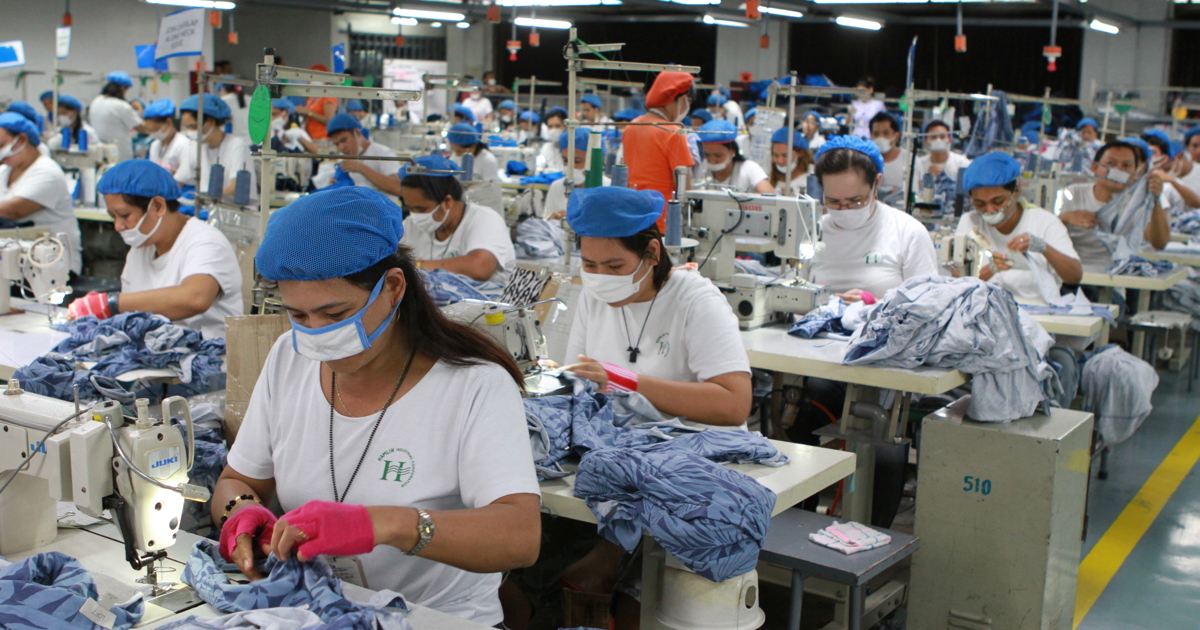
A year after Marcos pledged wide-reaching labor reforms, progress was made on promised wage hikes and government employee benefits.
However, issues such as the mass displacement of Philippine Offshore Gaming Operator (POGO) workers continue to challenge the administration’s employment agenda.
Government salary hikes on the way
At the heart of Marcos’ labor policy is Executive Order 64 signed in August last year, which authorizes a four-tranche salary hike for over 1.3 million government employees.
Two tranches were implemented in January 2024 and in 2025, wherein P106 billion was allocated for the first two phases alone by the budget department.
The order also includes a new P7,000 annual medical allowance to subsidize health maintenance organization services. This benefit took effect this year, with P9.5 billion earmarked under the 2025 national budget.
The budget department said the reforms aim to make government compensation at par with private sector benchmarks while preserving fiscal discipline.
Labor market strained
In his 2023 SONA, Marcos vowed to generate additional jobs for 4.3 percent of the workforce, as well as for the 11.7 percent underemployed Filipinos seeking better employment opportunities.
He had reported that a substantial number of investment pledges have begun operations, with many more in various stages of development. According to the administration’s estimates, these projects are expected to create over 202,000 jobs.
Data from the Philippine Statistics Authority (PSA) showed that there are 2.03 million Filipinos unemployed this May compared to 2.11 million last year. The labor force participation rate was also at its highest since 2005 at 65.8%.
However, the number of underemployed workers increased to 13.1% or 6.6 million from 9.9% a year earlier. Analysts attributed the uptick to Filipinos re-entering the workforce but struggling to find full-time or well-compensated roles. The rate increase could also indicate increasing job scarcity and poor-quality jobs, according to think tank Ibon Foundation.
PSA released in May showed that sectors such as manufacturing and construction saw job losses while growth was concentrated in retail, agriculture and administrative and support activities, which are known for informal work arrangements.
POGO ban sparks employment woes
While wage benefits are being realized, the Marcos administration faces challenges over its decision to shut down all Philippine Offshore Gaming Operators (POGO) operations.
The Department of Labor and Employment (DOLE) has logged 27,790 displaced online gambling workers, mostly from Metro Manila and surrounding regions. But total displacements—including indirect hires and utility staff—could reach over 40,000, according to the agency.
So far, DOLE reported that only 202 displaced workers have been hired on the spot across several job fairs. A total of 708 individuals received employment facilitation while 118 workers were given P30,000 each in livelihood assistance.
Low numbers were recorded despite the repeated special job fairs that exclusively catered to Filipino workers who were displaced by the POGO ban.
DOLE’s Career Con 2025 in Pasay logged just 100 hires out of 8,000 jobseekers.
DOLE Secretary Bienvenido Laguesma had attributed the low placement rate to mismatched skills and expectations, unwillingness to relocate, and skepticism over the finality of the Dec. 31, 2024 deadline to totally shut down POGOs.
“A lot of workers still think the deadline might be extended. Others are dissatisfied with available jobs, many of which are entry-level and pay below what they earned in the POGO sector,” Laguesma said.
The Bureau of Immigration has reported that 21,757 foreign internet gaming license workers have voluntarily downgraded their visas while over 10,800 have already left the country.
6. Agriculture

In his previous addresses, Marcos pledged to boost local food production, cut down food prices, revitalize livestock industries and modernize farming infrastructure.
“We continue to support the agriculture sector to accelerate, simplify, and strengthen production — from planting, harvesting, and fishing, to transporting and selling — and also to prevent spoilage of products,” he said during his 2024 address.
Still, several sectors remain at a disadvantage due to the lack of access to Marcos’ implemented programs, such as the P20 rice initiative.
Uneven access to KADIWA centers
The expansion of KADIWA centers is one of the flagship programs the President continues to highlight in his public statements
Marcos, who headed the Department of Agriculture, promised to expand the initiative as part of a broader push to address food security, stabilize prices, and uplift rural incomes. The program links farmers and fisherfolk to consumers, offers affordable food products and reduces dependency on middlemen.
KADIWA centers in the Visayas became the venue for Marcos’ P20 per kilogram rice program launched in May. The government also began to offer ₱29 per kilogram of rice to cash transfer beneficiaries, persons with disabilities, senior citizens and solo parents last month. Meanwhile, non-vulnerable consumers are offered well-milled rice with prices ranging from P33 to P43 in June.
In a report released after his fourth SONA, the President said the program has generated almost P3 billion in sales since 2022.
The initiative now serves over 5,731 farmers and fisherfolk with 283 stores and 120 centers operational across the country since its start in 2022. A total of 32 stores were opened last year in provinces surrounding Metro Manila, offering a venue for them to sell their produce at affordable prices.
However, several agriculture-based civil society organizations and cooperatives, particularly in the Visayas and Mindanao, have complained that the program remains Luzon-centric. According to them, the bulk of new centers have been concentrated in Central Luzon and CALABARZON. Some farmers and industry experts have also criticized the supposed lack of sustainability of the program due to stock shortages.
In his 2024 SONA, Marcos promised to institutionalize the KADIWA program by establishing 800 to 1,000 permanent stores across the country.
Farm-to-market roads infrastructure in progress
Marcos also vowed to pour resources into building farm-to-market roads to make it easier to transport goods from agricultural zones to marketplaces.
By the end of his term, the administration aims to complete 131,410.66 kilometers of farm-to-market roads across the country.
To date, 51% of the target has been completed. Farm-to-market roads and bridges spanning 2,050.33 kilometers and 1,568.21 meters were built this year and are expected to reduce transportation costs and minimize post-harvest losses.
The largest projects include the construction of the Mapulog-Tuboran road in Misamis Oriental worth more than P90 million, the first in Northern Mindanao.
Marcos previously reported that the farm-to-market road project has benefited nearly 16,000 Filipino families in Northern Mindanao.
ASF vaccine rollout and livestock act underway
One of the highlights of Marcos’ 2024 SONA was the report on the development and upcoming deployment of a vaccine against African Swine Fever (ASF), a disease that devastated local hog farms and triggered pork inflation in recent years.
In a report, the President said cases across the country are now only prevalent in 16 municipalities in five provinces as of May 2025 from the initial 1,060 municipalities in 73 provinces in 2019.
As of July 2025, 49,368 doses of the 500,000 target ASF vaccine rollout have been administered across 39 farms in Luzon provinces.
Despite the initial success in herd recovery, retail pork prices rose in the past few months.
The average retail price of pork in Metro Manila was at P400 per kilogram in January, a 20.7% increase compared to the same period in the previous year due to lingering effects of the outbreak and seasonal demand, according to a report by the Department of Science and Technology Philippine Council for Agriculture, Aquatic, and Natural Resources Research and Development.
By February this year, pork ham and belly prices soared to ₱440 per kilogram and ₱480 per kilogram, respectively. Despite efforts to set the maximum price at P350 to P380 per kilogram in March, sellers’ compliance remained low at only 30 to 40%. This prompted the Department of Agriculture to lift the cap mid-May to allow price adjustments.
The proposed Livestock Development and Competitiveness Act is now awaiting the President’s signature after securing approval from Congress in June. The measure.seeks to support smallholder farmers and modernize supply chains by revitalizing local poultry and livestock production.
Marcos also mentioned in his SONA this year a promise to expand hog vaccination initiatives to address the ASF outbreak, which decreased the hog population to 9 million from 15 million.
7. Foreign relations

In the past year, tensions continued to surround the West Philippine Sea because of China’s aggressive actions such as its water cannon attacks. The recent Israel-Iran conflict also led to oil price shocks and triggered fears of instability in the Middle East.
Maritime zone laws signed
The Marcos administration’s “fair and pacific” assertion of the Philippines sovereign rights has become a recurring theme of SONAs since 2022.
Last November, Marcos signed the Philippine Maritime Zones Act and the Archipelagic Sea Lanes Act to reinforce the country’s entitlement and responsibility within its maritime zones.
The Maritime Zones Act reinforces the Philippines’ jurisdiction over its maritime zones in accordance with both the United Nations Convention on the Law of the Sea (UNCLOS) and the 1987 Constitution.
Meanwhile, the Archipelagic Sea Lanes Act designated three sea lanes for foreign vessels and aircraft and restricted other routes to innocent passage. The passage of foreign vessels are deemed innocent unless detrimental to the coastal state’s “peace, good order or security,” as outlined under Article 19 of UNCLOS.
Restraint
Marcos reiterated his commitment to a peaceful resolution of the West Philippine Sea row in his latest SONA.
The administration filed 65 diplomatic protests against China’s illegal activities in the West Philippine Sea in 2024, raising the total number of protests lodged against the East Asian superpower to 229 since July 2022.
In a notable departure from previous addresses, the President refrained from identifying the external threats in this year’s SONA, emphasizing instead his stance that the Philippines is a “friend to all” and “an enemy to none.” However, officials clarified that the President is not going soft in terms of asserting the Philippines’ maritime rights and sovereignty.
Marcos has also sought support for the country’s bid for a non-permanent membership in the 2027-2028 term of the United Nations Security Council. The membership will give the Philippines a louder voice on issues concerning world peace, security and the council’s procedural matters.
West Philippine Sea lessons
Discussions are underway between the DepEd and the National Security Council (NSC) regarding the possible integration of West Philippine Sea-related topics into the curriculum.
“The West Philippine Sea is not a fantasy. We will work to increase national awareness and understanding, and make sure that it is passed down to the next generation of people,” the President said in his SONA last year.
To also improve public understanding of the issue, the government released the comic book “Ang mga Kwento ni Teacher Jun” in January. The comic book narrates the Philippines’ historical and legal claims in the West Philippine Sea. It emphasizes the 2016 Arbitral Ruling, the impact of China’s aggression and the importance of maritime sovereignty.
The Armed Forces of the Philippines also launched the “Mulat” communication campaign on the country’s rights in the maritime region.
Strengthening US ties, regional allies
Since the start of his presidency, Marcos has made 36 international foreign trips to more than 20 countries, ten of which are from last year.
In his 2025 SONA, the president said that the Philippines is “highly regarded” in the international stage for its commitment to fair and equitable dealings with other countries, as well as adherence to international agreements and regulations.
Last month, Marcos met with US President Donald Trump at the White House, during which the American leader announced a reduction in the tariff rate for Philippine goods to 19%. The rate was lower than the 20% announced by Trump earlier in July, but higher than the 17% set in April.
In return, the Philippines will increase the importation of a number of US goods and remove the tariffs levied on American automobiles.
The Marcos administration also expressed its readiness to receive more US Typhon launchers last month despite China’s claim that it was a “dangerous move and an extremely irresponsible choice” in terms of regional security. The Typhon missiles were initially deployed in Luzon in January.
Several countries have also pledged external defense and security support to the Philippines, citing shared concerns over China’s increasing hostility in the West Philippine Sea.
8. Armed Forces
More rebels apply for amnesty
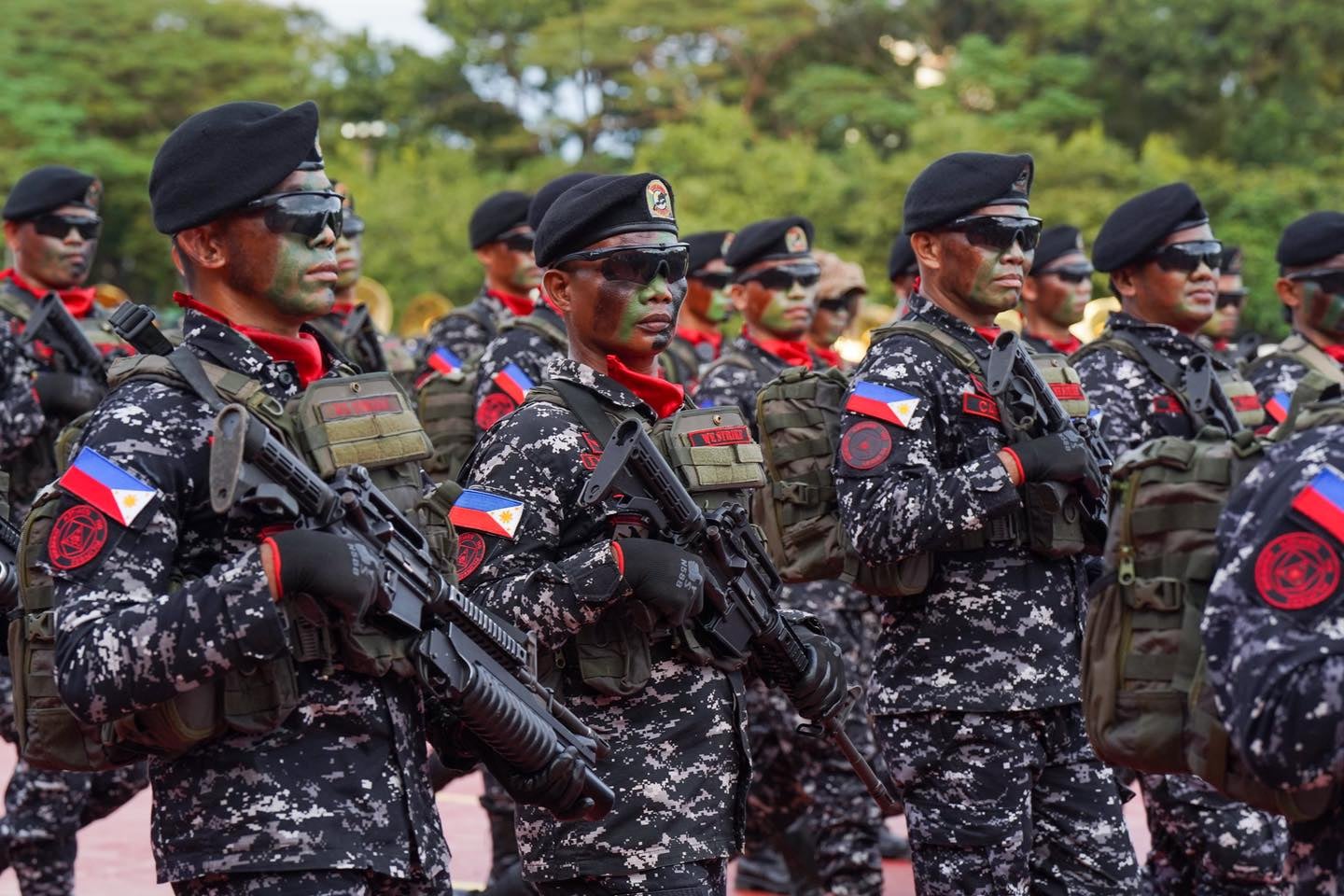
Marcos declared the elimination of guerrilla fronts in the Philippines during his latest SONA, a development tied to the government’s amnesty programs and combat operations.
As of July 31, about 3,400 communist rebels have applied for amnesty, according to the National Amnesty Commission (NAC). The application period will end in March next year.
At least 26,145 Moro Islamic Liberation Front (MILF) fighters have also been decommissioned and are now entitled to P950,000 worth of compensation.
In 2023, Marcos issued Executive Order No. 47 to update the functions of the NAC. The granting of amnesty started in March 2024. It covers members of the Rebolusyonaryong Partido ng Manggagawa ng Pilipinas/Revolutionary Proletarian Army/Alex Boncayao Brigade, MILF, Moro National Liberation Front, Communist Party of the Philippines, New People’s Army and the National Democratic Front.
On July 26, the MILF Central Committee said it would cease decommissioning its remaining 14,000 combatants and 2,450 weapons until the government substantially fulfills the key provisions of the 2014 Comprehensive Agreement on the Bangsamoro.
According to the group, none of the 26,145 decommissioned combatants were able to transition to “productive civilian life” as government interventions for normalization under the agreement were not provided aside from the P100,000 cash assistant per combatant.
The provisions included in the agreement were a socio-economic package with cash assistance, livelihood programs, scholarships, health benefits, housing and community infrastructure.
The agreement also mandates normalization efforts, such as security measures, transitional justice and political autonomy of the Bangsamoro Autonomous Region in Muslim Mindanao. F