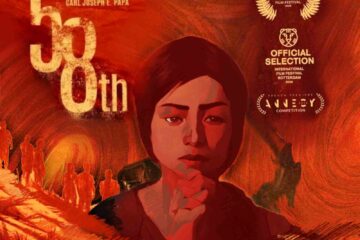
CHILDHOOD INNOCENCE is often lost in translation. As people grow older, they often forget the simple joys that once made the world feel boundless: a game, a friendship and a field to run across.
In the harsh realities of adulthood, these fleeting pleasures become distant memories. Yet for children caught in the crossfire of war, it can mean the difference between merely surviving and truly living.
Mark Duane Angos’s directorial debut, a candidate in the 2026 Cinemalaya’s full-length category, serves as yet another cinematic treatment of armed conflict in Mindanao, but one that attempts to approach the familiar terrain from an unlikely angle: the football pitch.
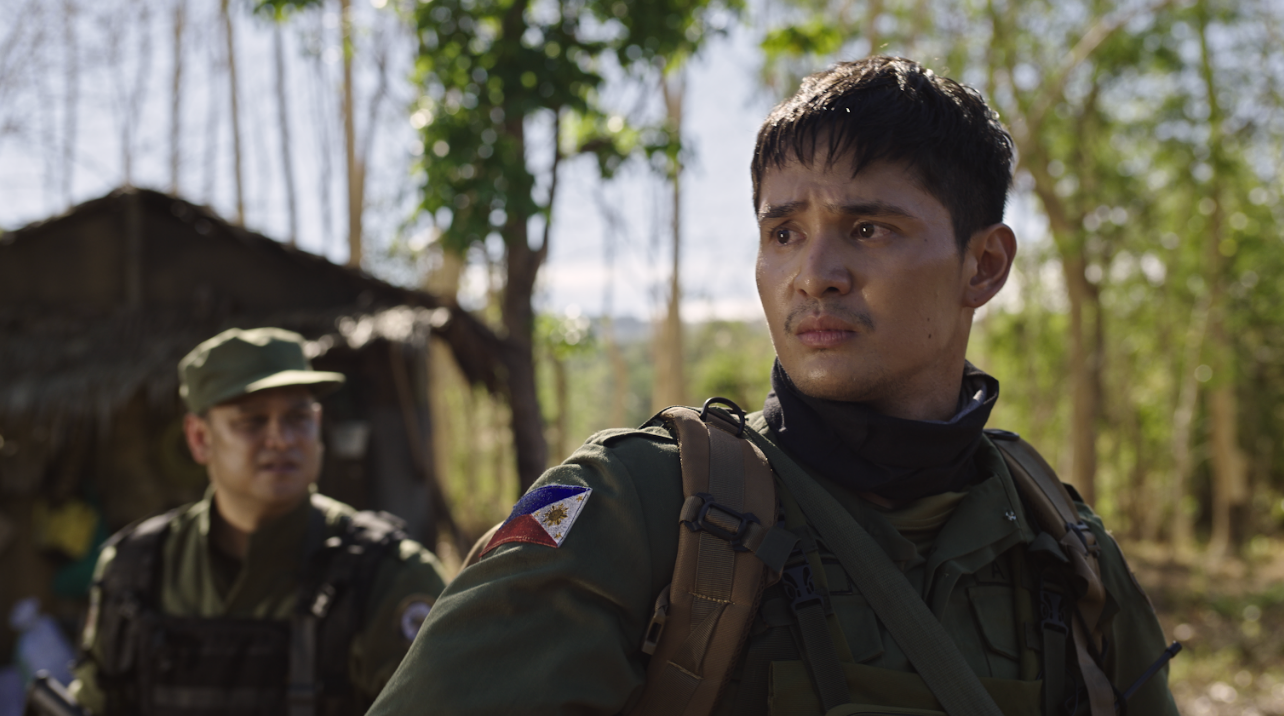
Set in a remote Muslim village in the Southern Philippines scarred by years of conflict, Hand of God follows a newly transferred commander, Lt. Edgardo Reyes (Ruru Madrid), who introduces football to the community as a means of gaining the villagers’ trust.
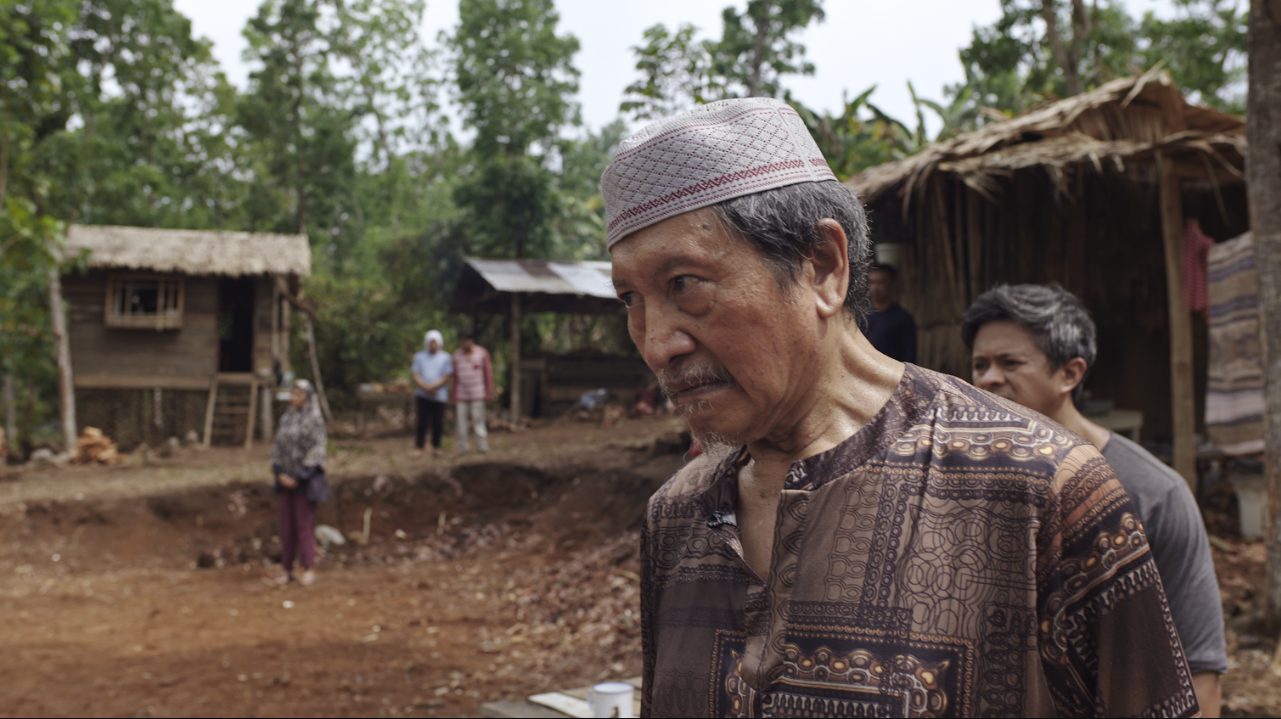
The arrival of Reyes and his troops for an outreach initiative unsettles the community, already wary of the military following years of armed struggle, competing claims of territory and religious discrimination that shaped the villagers’ distrust.
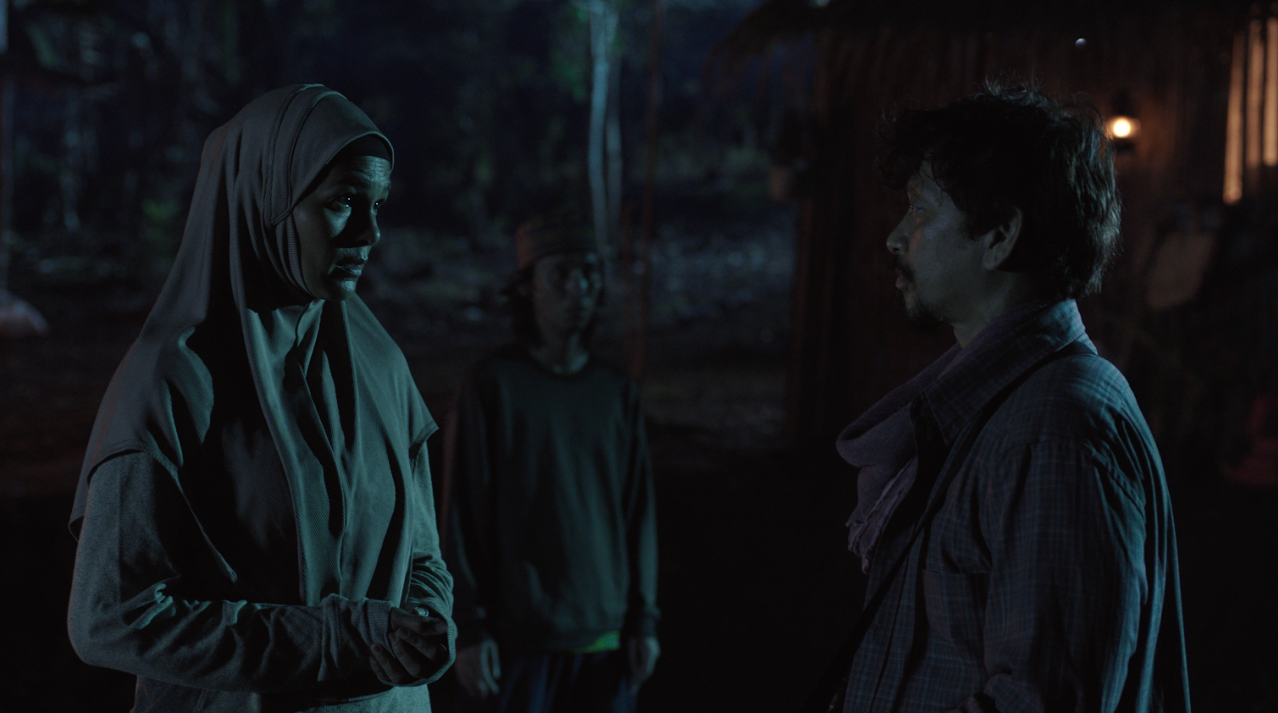
In the tense landscape, football gradually brings the soldiers into the lives of the community’s children, including Khaleel (KD Omalin), a young boy whose experience as a child soldier in the notoriously savage militant group of Omar (Jhong Hilario) places him at the uneasy intersection of childhood and insurgency. His mother, Farida (Iza Calzado), reflects the anxieties of a parent trying to protect her family within a community caught between violence, ideology and survival.
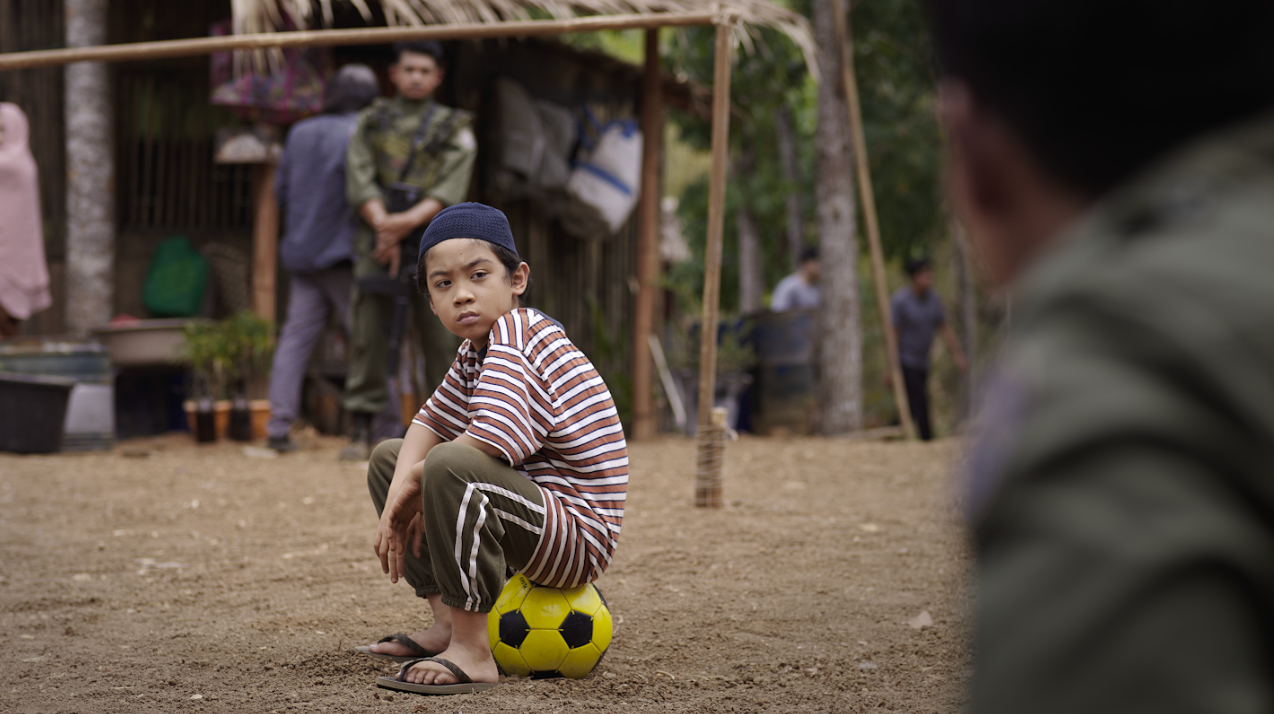
As the community’s children form their own bonds on their makeshift pitch, the sport becomes a rare space for play in such a place where even innocence is shaped by conflict. As events transpire, the following question boils: will the children be able to carry this innocent bliss, or is it left on the football court once the final whistle blows?
In his statement for the film, Angos said its premise is rooted in his own experience. In 2014, his Manila-based youth football club played a friendly match against a team of children from Mindanao. A year later, one of those young players was reportedly killed after refusing to rejoin an armed group.
As a child who simply loved playing football, seeing the conflict beyond the “prism” of religion and ideology became painfully intimate, the director said.
Combining sports and war into one sensible narrative was an ambitious and noble attempt. Because of that herculean task, Angos often oscillated the film’s central focus. While the film can be about football and the horrors of war at the same time, its limited runtime made the connection between the two underbaked.
Unfortunately, this caused the film to lose possession of its own politics.
Offside
Despite being based on real events, Hand of God ended with much more potential that could have been fleshed out, coming up short in portraying war as a battle between ideologies.
Rather than examining the political and historical convictions that drive both the military and the guerrillas, the film lingered primarily on the brutality of armed conflict. Scenes were often resolved by automatic resort back to savagery, in the militants’ fear mongering, in their attempts to justify the means for the “greater good” and in Omar’s eventual ruthless decisions.
Other themes in the movie could have been explored, such as the Muslim community and its quest for emancipation via jihad or holy war, the armed group’s reciprocal relationships with the townsfolk or even the marginalization of football in Filipino sporting communities.
These ideas exist at the edges of the film’s narrative, but are never fully allowed to breathe and develop. Instead, the result is a narrative that risks reducing a deeply complex struggle into a familiar opposition between good and evil.
Although Angos attempts to apologize for exposing the moral compromises within military institutions, the story ultimately frames the armed forces as the lesser evil rather than interrogating the systems that sustain violence itself.
Lt. Reyes often wrestled with the tension between duty and charity. It was repeatedly shown throughout the film that his moral stance runs counter to his troops’ tendency to use dishonest methods to gain control.
While Angos hinted at the military’s corrupting tendencies, the soldiers were still portrayed as agents who brought justice, albeit through greater violence.
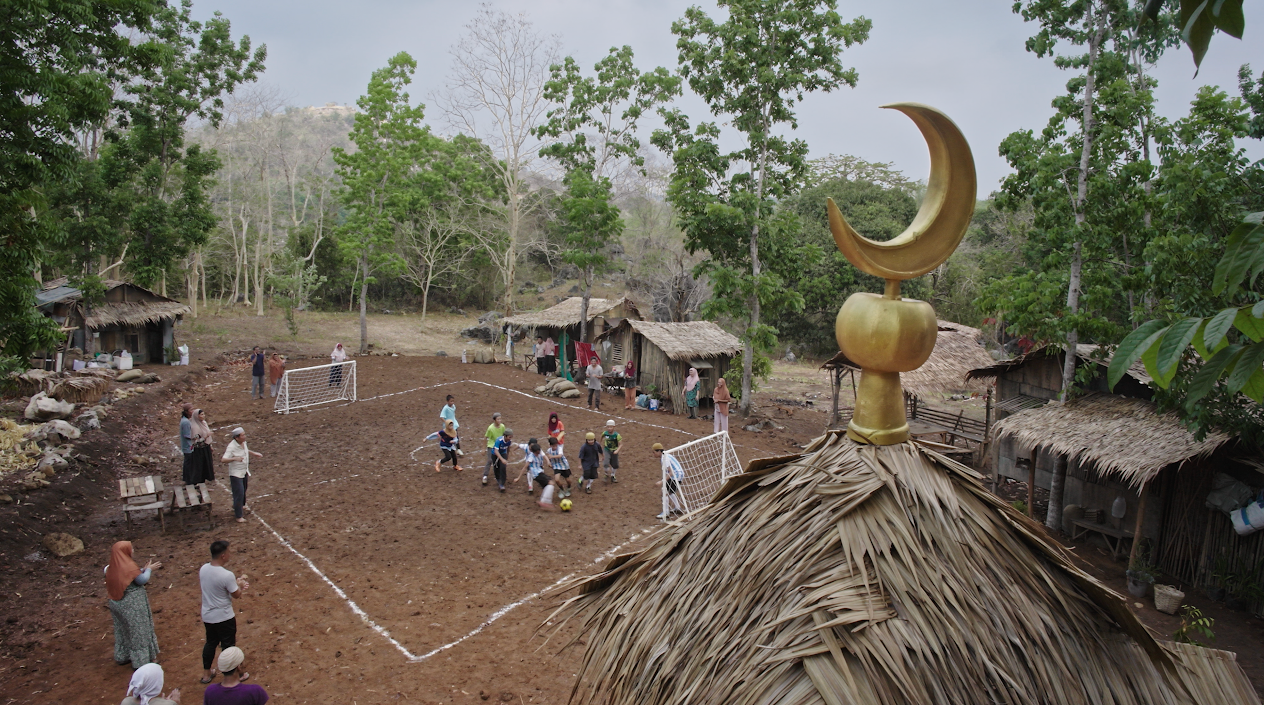
The film also featured several far-fetched plotlines that occasionally strain its political and creative narrative’s credibility. A newly instated football team without proper equipment manages to win gold in a national tournament while religious and social prejudices were reduced to a relatively mild conflict. More importantly, the militant forces appear detached from the very communities they claim to represent, with the villagers’ support seemingly rooted in fear and submission rather than shared convictions or empathy.
Although these elements drove the plot forward, alternative ways could have been explored to better represent the political climate of armed revolt in the country, particularly that of the Moro Islamic Liberation Movement.
The story would have been better served if the rebel forces received the same humanizing treatment afforded to the military. The failure to do so made it risk propagandist allegations with the one-dimensional antagonism of Omar (Jhong Hilario) and his men, who were short of a much-needed backstory.
Some lesser aspects, however, feel forced.
A number of parts seemed more like an easter egg than a social commentary—exploring recent themes of student activist violence and the stalemate of armed struggle, yet never really simmering long enough to leave an aftertaste.
These attempts to include contemporary issues without answering more compelling questions, like how children are drawn into armed movements and what beliefs sustain such violence, in the movie’s premise, make what could have been a deeper societal mirror feel like a missed pass.
The ending, meanwhile, does not quite match the emotional force of its climax, where victories are celebrated beyond the pitch and the children thrive in the spirit of resilience, camaraderie and hope. The closure felt abrupt when it reverted back to its initial roots of harm and armament after staging a grandiose mental warfare between benevolence and violence. It ultimately left one unsettling question hanging: after all the bloodshed, has anything truly been solved?
Perhaps that ambiguity is intentional.
At its heart, Hand of God understands that war demands sacrifices from those who never choose to fight it. Someone must bear the ugliness of violence so others can preserve their innocence. While it paints youth in rose-tinted hues, it does so effectively enough to evoke a profound feeling of nostalgia.
What Angos did exceptionally well was capturing innocence before the harsh reality of the world kicked in.
When confronted with the unfathomable reality, the children simply play on, not because the war is over, but because life refuses to stop. In that final gesture lies the film’s deepest miracle: not divine intervention in the hands of a deity, but the human will to carry on.
Shot on goal
The cast’s acting was a hit-or-miss, but mostly passable. The raw artistry of the starring household names salvaged its cliche writing.
Madrid offered striking versatility in the film’s drastic emotional shifts. From being a gentle father figure and coach to a fierce lieutenant commanding his troops, he naturally tapped into the demands of his role, interweaving the character’s personality without being invasive to the plot as a narcissistic protagonist.
Hilario, despite being known for his comedic antics as It’s Showtime’s “Sample King” and the hip-hop ghost Gorio from D’Anothers (2005), proved that he can play a much darker persona. His portrayal of Omar, the guerrilla leader, was menacing without becoming cartoonish, a stark departure from his trademark slapstick branding audiences may be more familiar with.
Calzado’s performance as Farida was similarly convincing, particularly in the quieter moments where restraint carried more weight than dialogue. She understood when to let a look or a pause carry the emotional load. When the scene requires her to actively project visible grief, she does not shy away from the spotlight.
Rising child star Omalin also gave a redemptive performance. Despite a few clumsy line deliveries along with the rest of the child cast, his chemistry with Madrid and his on-screen mother, Calzado, tempered a very emotional build-up to the film’s conclusion. His role earned him the Best Supporting Actor award alongside fellow child actor Lucas Andalio, who was part of the cast of Mag-iina (2026).
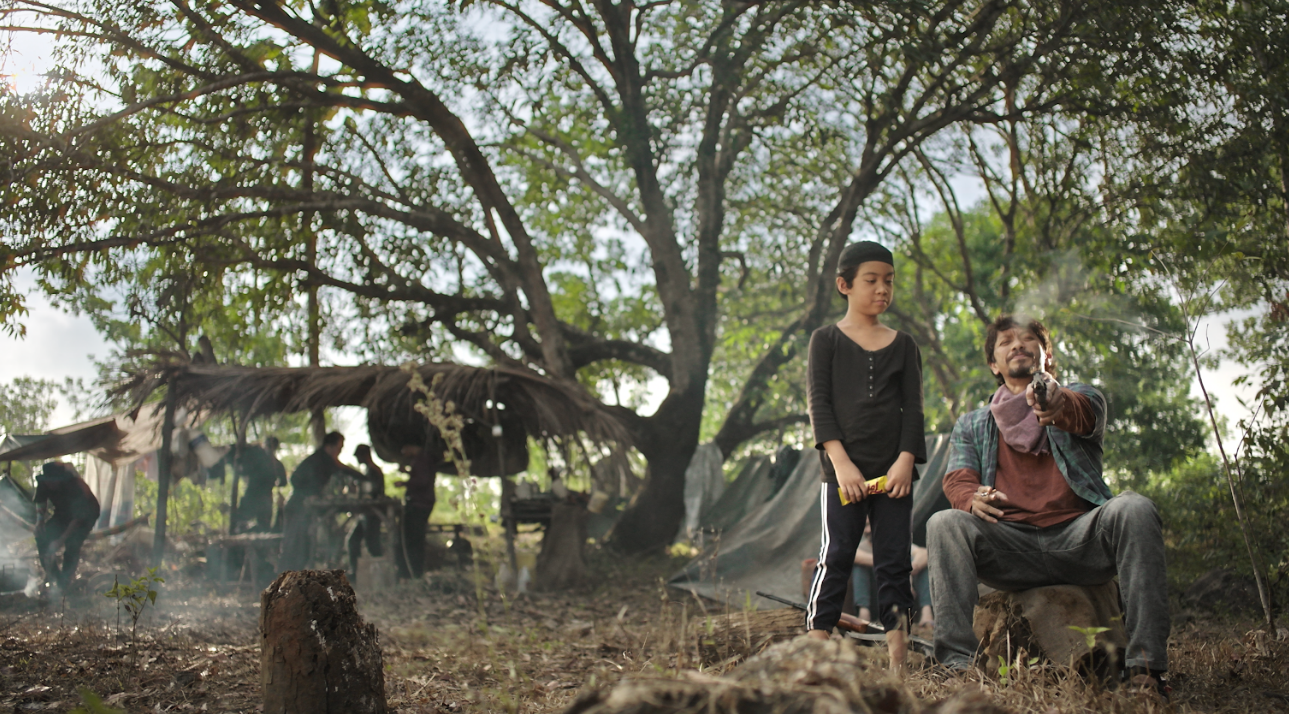
The greatest emotional vanguard of the film lies in its young cast, composed of the village children whom Reyes teaches to play football. Despite the barriers of faith and ideology, they exemplified that the pitch was a leveled playing field.
Their genuine camaraderie and joy on the football pitch make their moments of play feel less like mere plot devices and more like glimpses of a childhood they are desperately trying to hold on to. The young characters may not always have the strongest dialogue or the most developed characters, but their presence gives the film its emotional footing.
It becomes difficult not to root for the children—not simply because they are underdogs on the court, but because they represent a generation forced to find room for play in a world that has given them every reason to stop.
When the final whistle blows, their victories feel earned, not because they have overcome the war, but because, for a fleeting moment, they were allowed to keep their innocence.
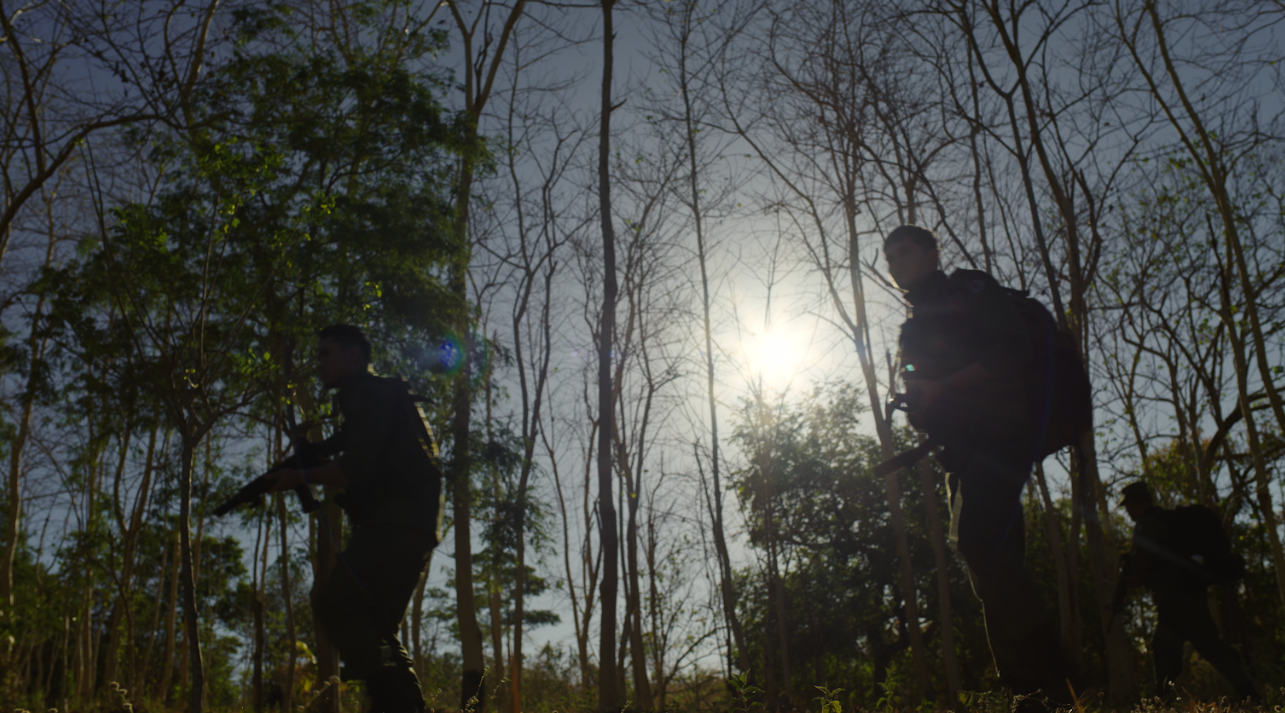
Angos’ resourceful use of the environment, particularly the trees and mountainous landscape, to stage creative clips and immersive sound design aided the imaginative storytelling. A remarkable recurring element was the use of shaking point-of-view shots, which made the scenes immersive and visually engaging.
The film also finds strength in its pacing, with the sequential events never feeling rushed or sped up.
Despite all the shortcomings in the film’s composition, Angos lays it bare with the immense emotional power he poured into his craft. The film successfully illustrated a child’s naivete and the saving grace of passion through play.
At the end of the day, Hand of God leaves a lingering sensation to its audience, a volley shot straight to the heart. It showed that, unlike football, war cannot be settled with penalties, but with shootouts that never end in a resolved draw. F