
RAFAEL MANUEL’S feature debut gives a Filipino take on the tale of Alice in Wonderland by having his heroine spiral into the buried secrets of paradise.
Filipiñana (2026) was originally released as a short film at the 2020 Berlin International Film Festival. Six years later, it debuted as a full-length feature at the Sundance Film Festival and even reaped the World Cinema Special Jury Award for Creative Vision.
The film first screened in the Philippines to serve as the closing for this year’s Cinemalaya run, followed by an exclusive theatrical release in SM Cinemas in August. It was also selected as the Philippines’ entry for the 99th Academy Awards in the Best International Feature Film category.

Set within a luxurious country club, the film follows a hard day’s work of 17-year-old Isabel (Jorybell Agoto), who left her home in Ilocos to become a tee girl. Throughout the day, she navigates a labyrinth of extravagance—exclusive delicacies, endless attractions and servants that tend to your every need.
She meets Charlie (Elle Velasco), a caddie entangled in an affair with the club’s owner, Dr. Palanca (Teroy Guzman). Isabel is entrusted by Charlie to return Dr. Palanca’s golf club he had forgotten. Caught in an unexplainable allure towards her boss, Isabel persists in returning the golf club, pushing her into a deep journey to what seems to be the last circle of hell.
The anatomy of a golfer
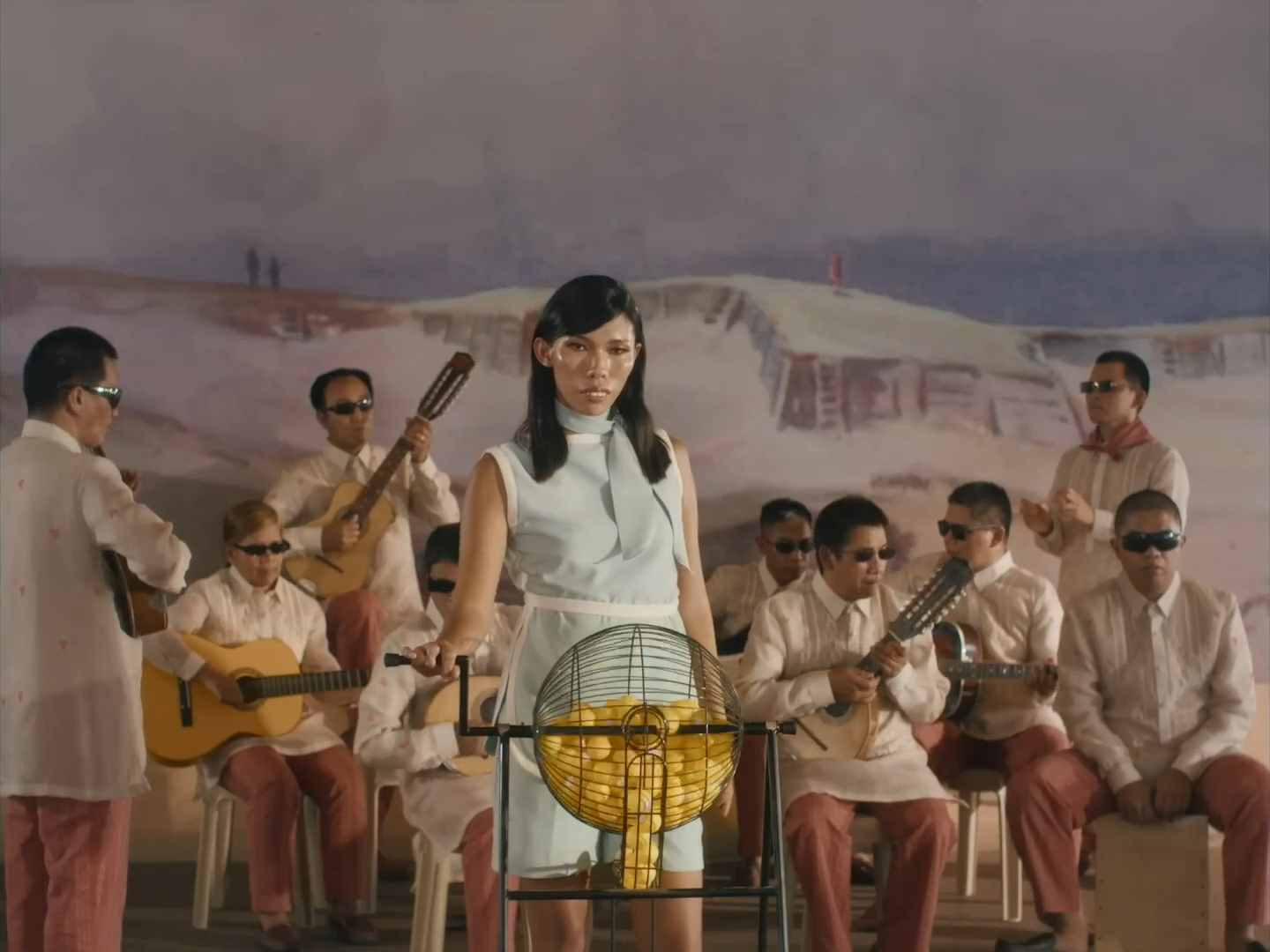
From its opening sequence, Manuel immediately frames the film’s setting as an artificial paradise, as a busload of tourists are taken to the country club’s lobby. Upon their arrival, an ensemble of blind musicians crescendoed into a folk song to welcome them. It then cuts to employees, indistinguishable by their looks, rhythmically sweeping the floor.
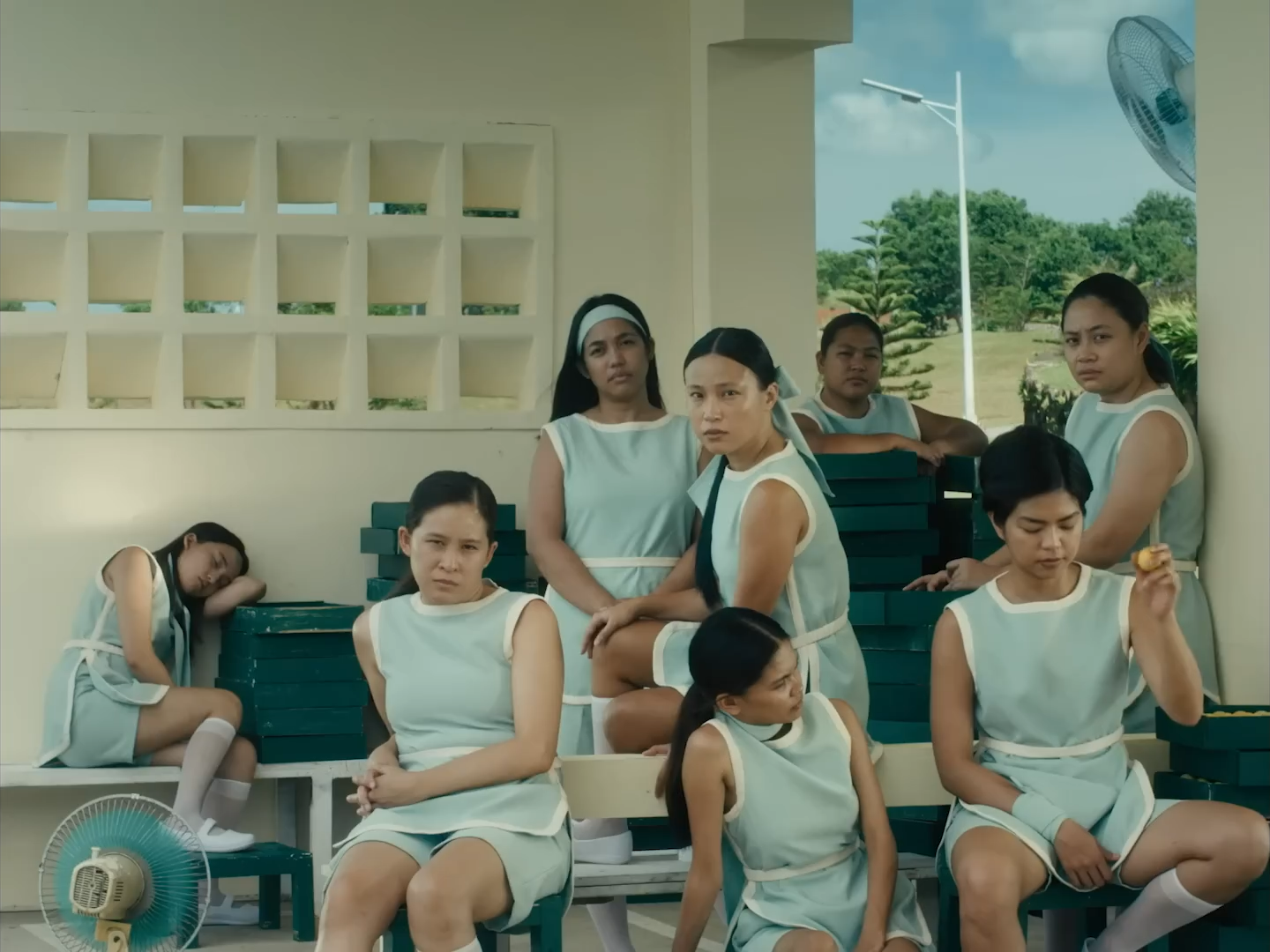
Unlike their carefree clients, the workers are stiff, almost robotic and unsettling while they bend their backs to get the job done. In most of the scenes, the caddie employees stand under the scorching sun to provide shade to their golfing employers, as if it were the most noble sport there is.
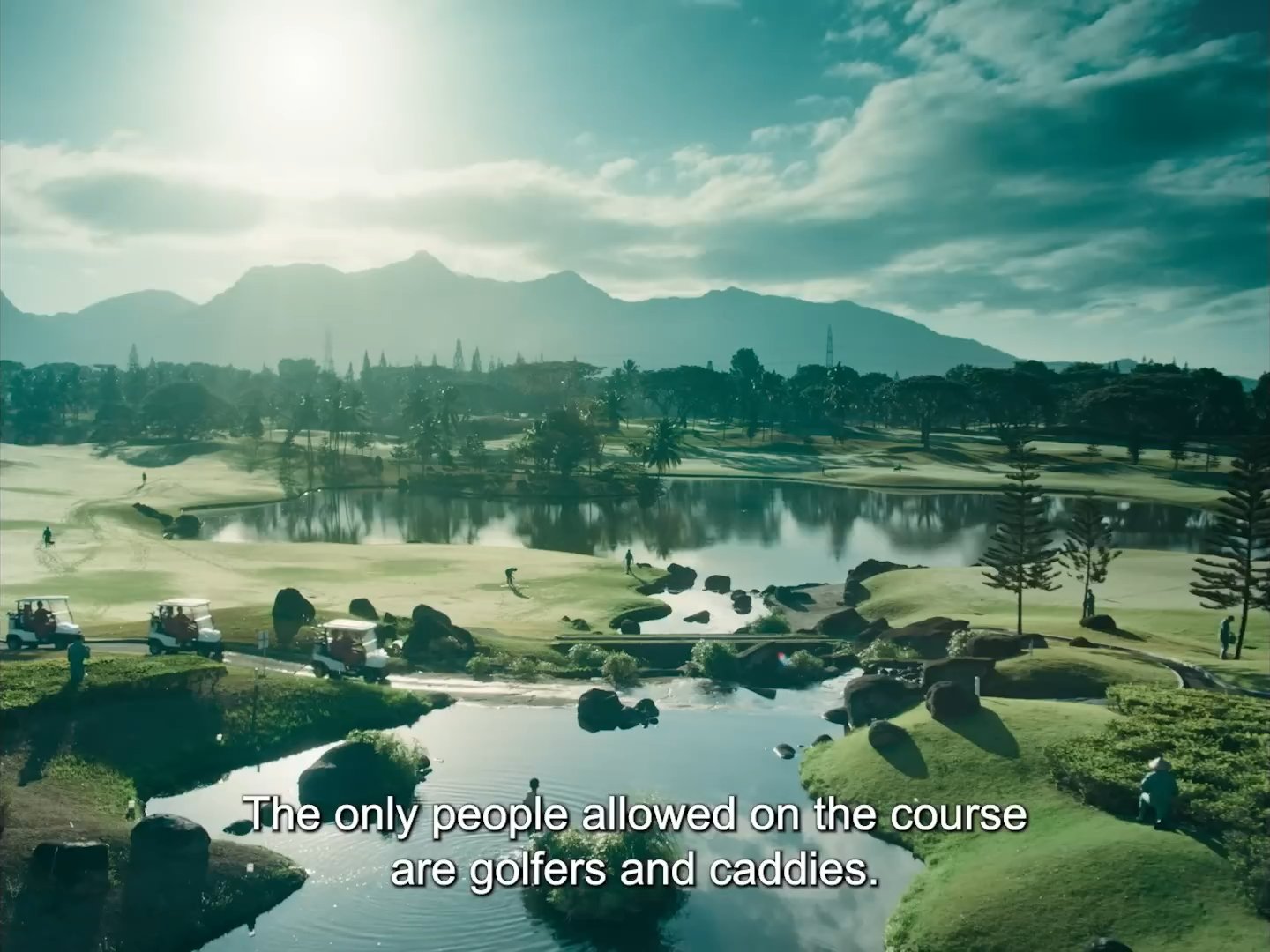
The scenic golf course filled with almost mechanical scenes reminds Isabel of the Ilocos she preserved in her memories, a once bountiful and green land, a landscape that helps her find comfort with her feelings of displacement.
Agoto is careful to present the heroine not as a victim of her circumstances, but as someone determined to break free of the rules that govern the employees in the club. Throughout the film, Isabel is seen braving further and braving the halls of Dr. Palanca’s unsettling abode.
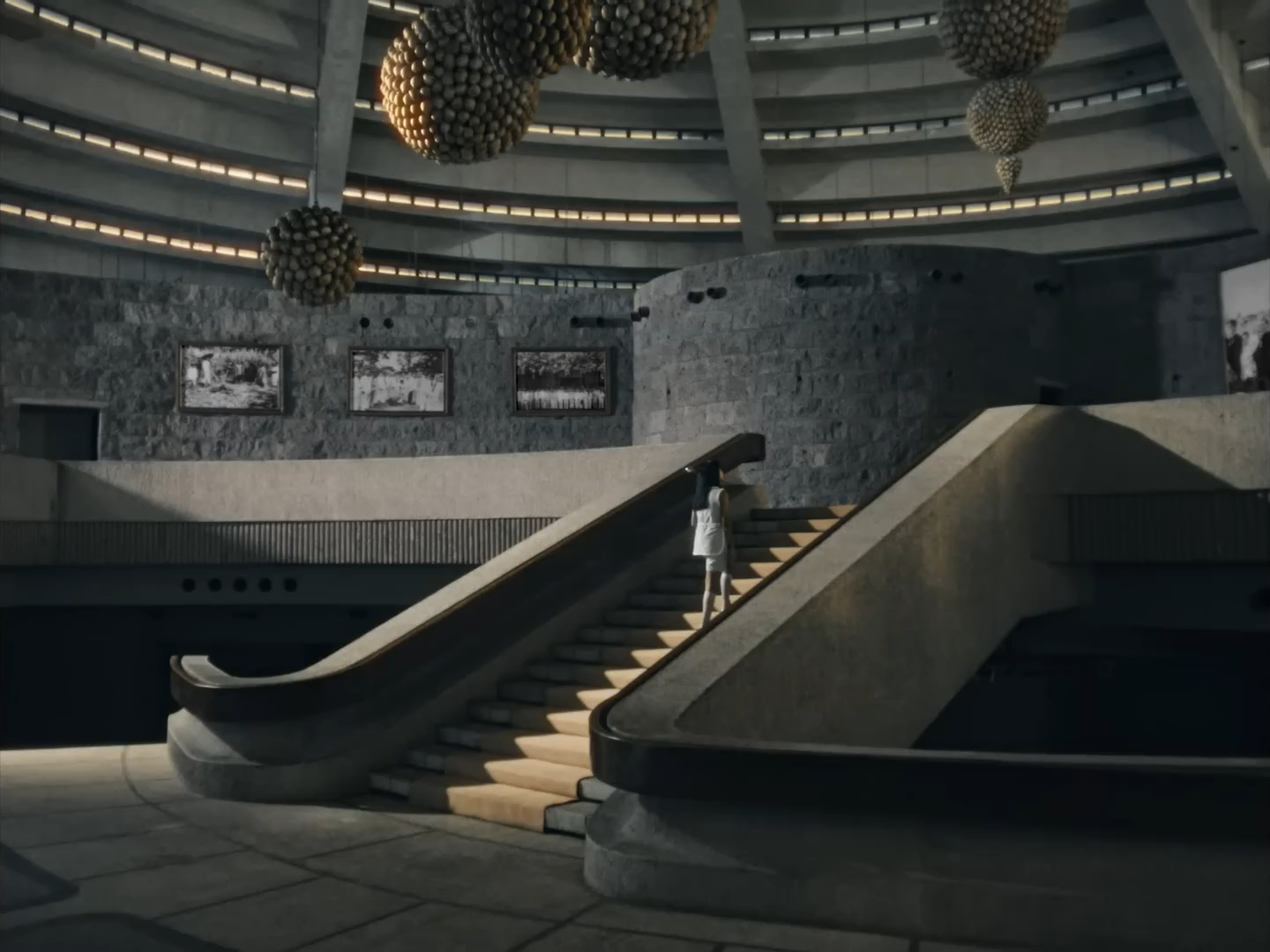
Tension arises when Isabel steps out of the bounds of her role as a tee girl, as if wanting to even her score with Dr. Palanca or wanting to imitate the life of the man she feels drawn to. In a streak of rebellion, she indulges in the club’s splendor, like eating a piece of frosting from a cake meant for guests.
Isabel’s ascent into Dr. Palanca’s office makes her privy to the world of her patrons. While not explicitly gruesome and hidden between the lines, scenes of lust, gluttony and greed manifested in subtle imagery.
When Isabel fulfills her goal, finally reaching Dr. Palanca, she enters the last circle of the Inferno — a place reserved for traitors.
As Isabel unravels her binding cord between Dr. Palanca and the country club, a thread of secrets surrounding her workplace makes her understand what drew her towards them. The golf course, she discovers, is marred with theft and violence against her fellow locals, exposing a far more sinister form of internal colonialism.
In Filipiñana, the golf course is a grave that the very sport spits on. The untamed life and environment is gatekept in favor of an idle game played by a certain kind of people.
Landscaping
Through Filipiñana’s cinematography, Manuel demonstrated how beauty tends to make one forget that there is inequality looming under it.
The film has drawn comparisons to the work of acclaimed American filmmaker Wes Anderson for its pastel hues, rhythmic sequences and symmetrical shots. Greek auteur Yorgos Lanthimos’ absurdist and satirical style was also felt through the offbeat character and bizarre thematic irony.
The country club came to life through the lens of cinematographer Xenia Patricia, which made Filipiñana perhaps one of the best-shot films of the year.
The imagery, while beautiful, simultaneously delivered a sense of doom and claustrophobia through a strategic interchanging of wide and tight shots. The liminal visuals, empty space and lingering shots evoked uneasiness, signaling a sense that danger might erupt at any time.
The soft, candy-colored world also served as a visual distraction that buried the rot and decay of the unsettling reality that Isabel would eventually discover. With the use of color grading, the film amplified the stickiness and exhaustion that come with working under the heat of summer.
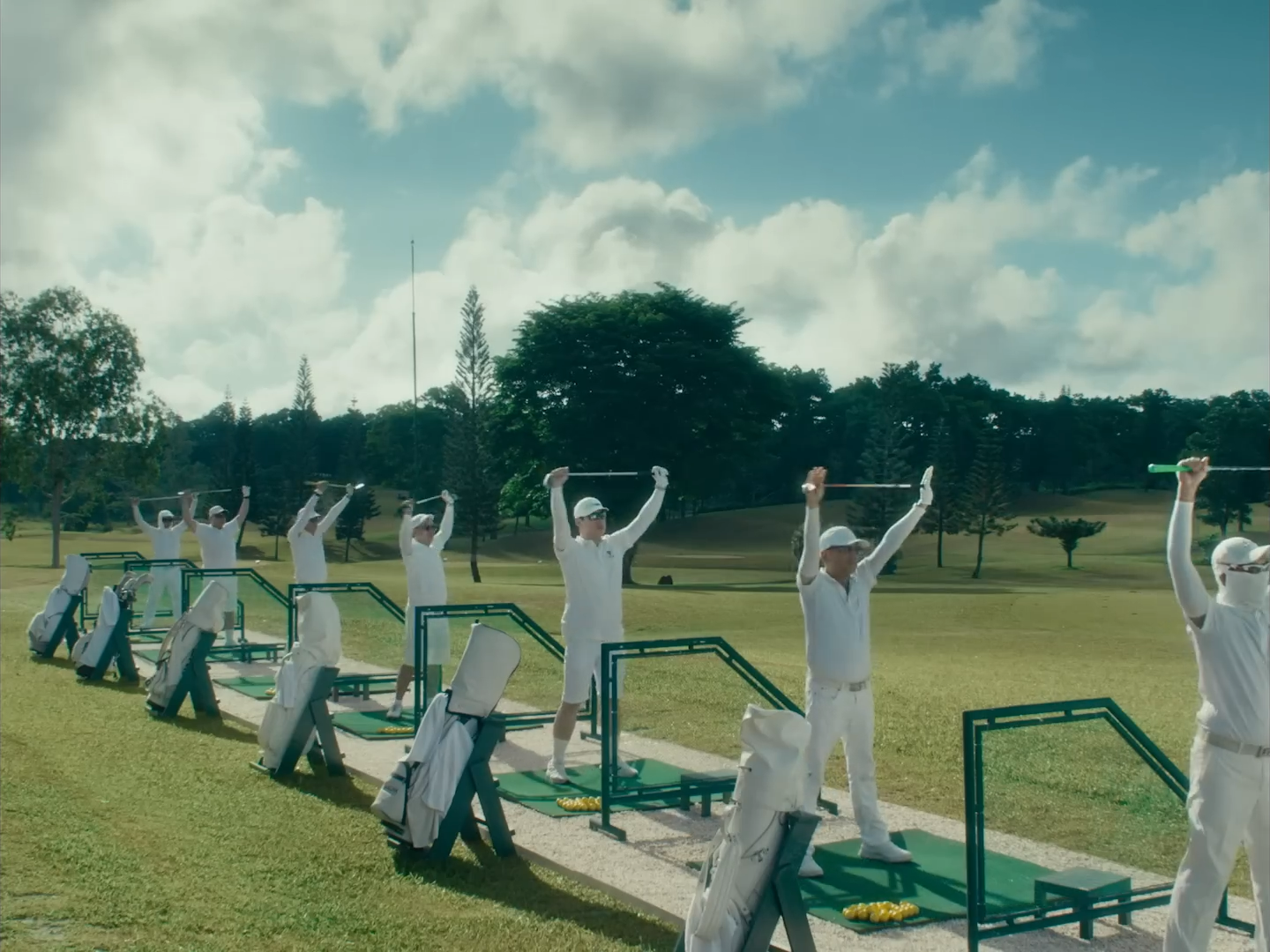
In shots of symmetry, the characters often disrupted this visual perfection. The workers’ movements would break the clean imagery of the physical space they occupied, as if they were specks of dust that dirtied the perfection of the country club.
Manuel’s restrictive direction felt like an assembly line of factory workers: automated, fixed and procedural. This synced with the plot and message Filipiñana aimed to convey. He laid out the film in a meticulous, mechanical manner, with every movement and line of dialogue feeling rehearsed to the point of unease.
The workers’ slow movements and delivery, though unnatural, did not feel flat at all. They spoke monotonously, never even looking at each other in conversation, hinting at a disconnection; that, even as people who share the same struggle, they do not find sanctuary in one another.
Almost an ace
Ironically, Filipiñana suffered from the same message it tried to convey: that beauty distracts from the rot.
Given that its core message and themes were established in the first act, the film’s heavy reliance on visuals to tell the story compromised expanding those ideas through the characters and their world.
Considering its almost two-hour runtime, it took its precious time in unraveling the country club’s decay. It was a slow, measured presentation that mirrored the weight of a repetitive work shift for people like Isabel. The plot scattered throughout and sandwiched between droning scenes that felt irrelevant.
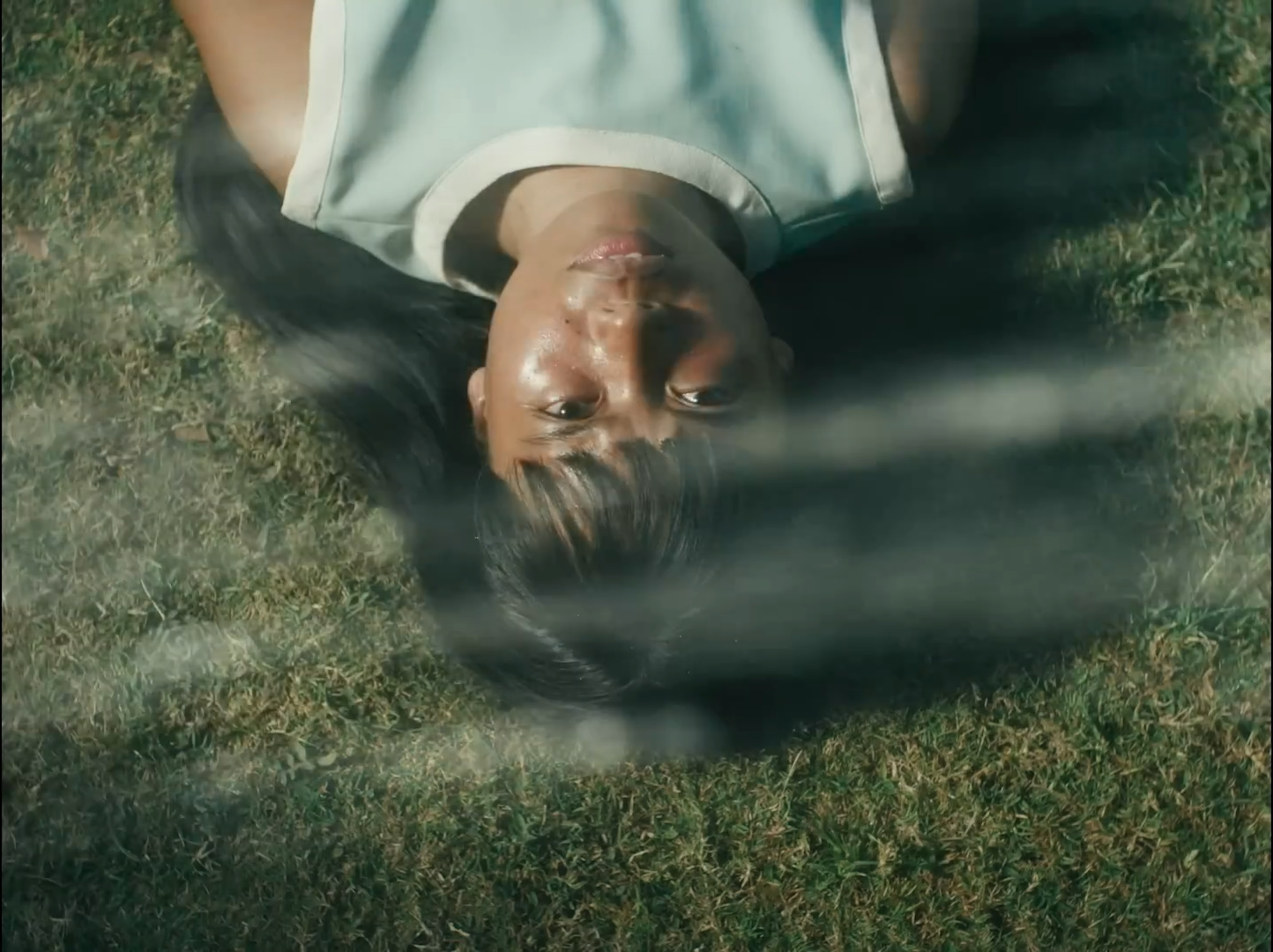
Certain sequences were longer compared to mainstream cinema and could be interpreted as build-ups. However, those unfamiliar with the genre that Manuel crafted Filipiñana in may be disappointed with the execution of the climax.
The end did not erupt into moments of excitement or delight, but rather enveloped the audience into a suffocating silence. The restraint in the ending acted more as a lingering thought rather than satiating gratuitous violence, juxtaposed to what Dr. Palanca and his people have inflicted.
However, Manuel’s attempt at unearthing the decay behind paradise is a bold move in terms of technical filmmaking, one that proved how Philippine cinema can break out of the box that Filipino audiences are trying to fit it in.
While its experimental nature may not be for everyone, Filipiñana’s merits should not be denied. In between its unnerving atmosphere and abundance of extravagance, the film made one thing clear: it hoped you enjoyed your stay. F — A. de Sales