
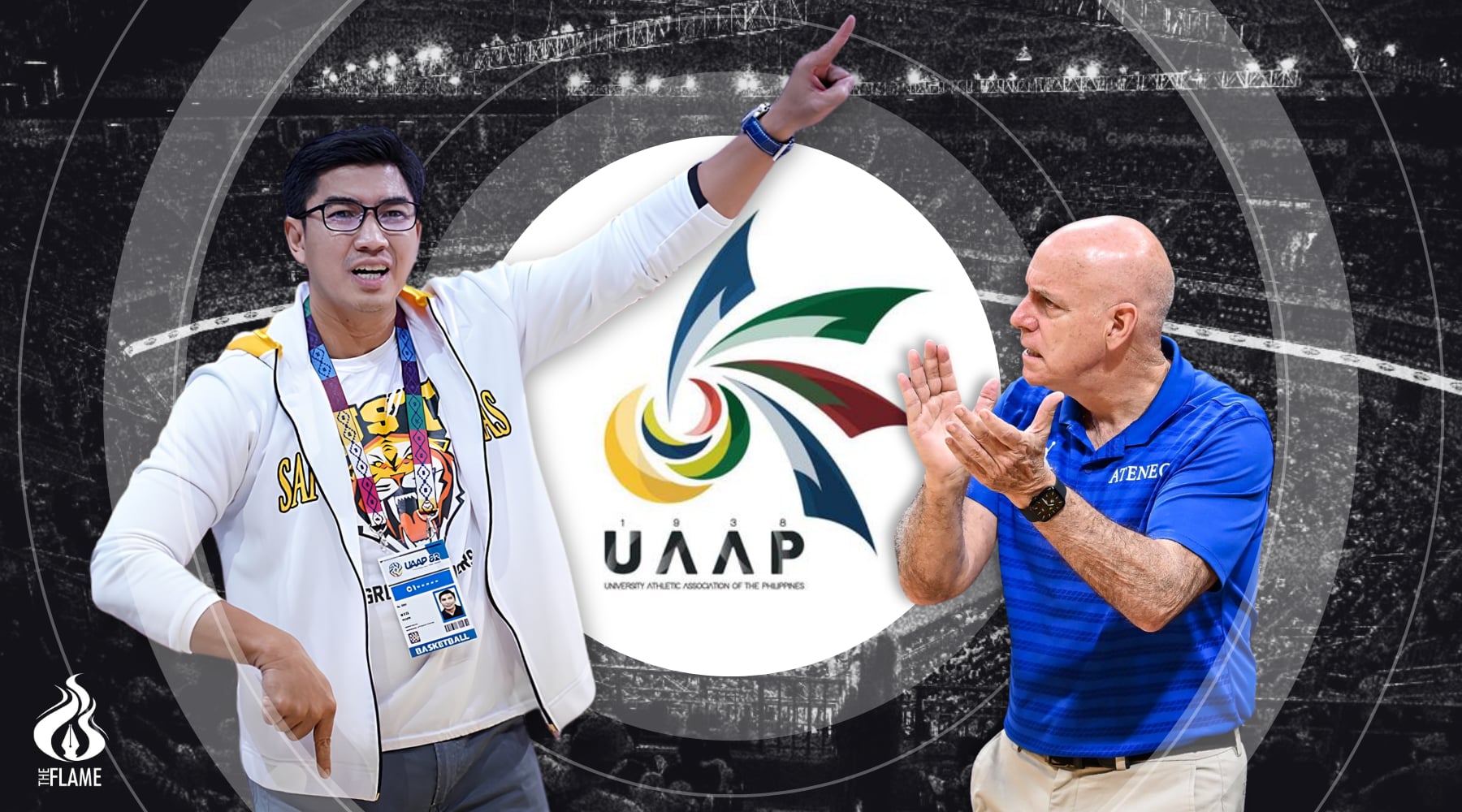
ALMOST SIX years ago, Aldin Ayo resigned as UST’s head coach over the backlash caused by the controversial Sorsogon training bubble.
The UAAP imposed an ‘indefinite’ ban for his role in the violations of pandemic-induced quarantine protocols.
The league did not wait for charges. Five days after his resignation, Ayo was slapped with a punishment for an indiscretion that placed players at risk, but did not cause deaths.
UAAP did not point to the absence of a basketball season after all competitions had already been suspended because of the pandemic. It did not leave the matter solely to UST. The UAAP acted because it believed coaches carry responsibility for the welfare of the student-athletes under their watch.
Yet the UAAP’s response to the Ateneo tragedy has been markedly different.
League officials emphasized that they cannot pass judgment this early. They opted to wait for the results of ongoing probe into the drowning of Ateneo student-athletes Rene Baterbonia and Divine Adili during a team building activity in Aurora. League officials also noted that there is currently no basketball season and suggested that preventive measures, such as suspension, fall under the responsibility of the university.
However, there was no basketball season when the UAAP punished Ayo in 2020. The league had already halted all tournaments because of COVID-19 months earlier. If the absence of competition did not prevent the UAAP from imposing sanctions then, why should it matter now?
On June 15, Ateneo accepted the resignations of head coach Tab Baldwin and team manager Epok Quimpo, but is yet to issue a statement on what happened or truly happens in Aurora each year.
Due process remains essential, especially in a case involving the deaths of two student-athletes. But due process and accountability are not mutually exclusive.
At the same time, the public and, more importantly, the families of Baterbonia and Adili still await a fuller explanation from those who organized and approved the activity. This was not an isolated event but a program reportedly conducted by the team over the years. Why was it necessary? What purpose did it serve? What safeguards justified the risks involved? These are questions that accountability demands, regardless of what investigators ultimately conclude.
The UAAP built its credibility on the belief that athlete welfare comes first. That principle earned public trust because it appeared to apply equally to everyone. If the league now treats similar questions of accountability and transparency differently, it risks creating the impression that standards change depending on the school involved, the coach involved, or the circumstances involved.
As of writing, Baldwin was summoned by authorities as investigators continued gathering facts surrounding the incident. Reports indicate that investigators are examining possible liabilities, including homicide and violations of the Anti-Hazing Law.
The league must dispel notions that a double standard exists. It should enforce its regulations consistently and ensure that those who committed lapses that led to the demise of two promising athletes are held to account.
Consistency and fairness should be observed inside the basketball court. However, these two principles matter more in instances that can lead to battles in the court of law. F